Overtone Singing is the most comprehensive book ever written on the hidden harmonies of the human voice. Ethnomusicologist and vocalist Mark van Tongeren offers a fascinating insight into timeless and universal aspects of sound. Grounded in a decades-long practical and theoretical study of music, he draws upon field work and interviews with eastern and western musicians and composers across the spectrum from archaic traditions to contemporary experiments. This well-illustrated book presents a multidisciplinary vision that incorporates the science of acoustics and perception, onward to the philosophical and spiritual dimensions of music. It critically examines claims about the supposed healing effects of overtones, juxtaposing local and global practices and transcending some of our core ideas about sound and music. An indispensable guide for musicians, listeners and scholars seeking a deeper understanding of the nature of the human voice and its harmonic possibilities.
AVAILABLE WORLDWIDE
Do you want the physical book + ‘Anthology of Overtone Singing’ album?
Purchase Now
or order the physical book directly from us:
Purchase Now
For the book only:
Amazon (affiliate link),
For the E-book:
through Amazon Kindle in E-pub format (affiliate link).
Or read on first, and go to Bandcamp to play the companion album while you are reading!
REVIEWS / APPRAISALS
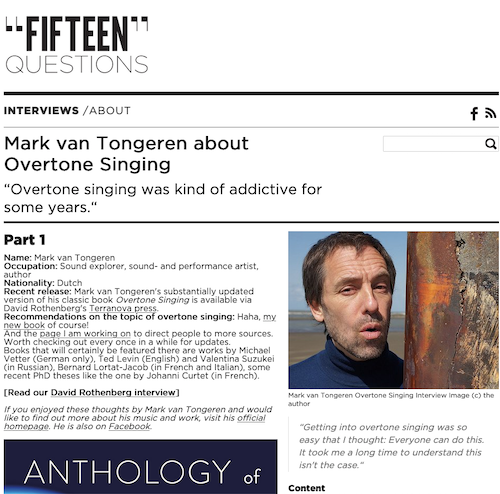
Interview for 15 questions.
Great Book – Mia Bocceli (Amazon)
”I love your work and research. Your book and recordings are a must have. I use the overtone technique, mostly the vowels one, to rehabilitate voice disorders. It’s amazing how speeds up recovery. ” – EDG, USA (Bandcamp)
”Thanks a lot for this epic work! It will be an invaluable asset for continuous studying… Also, i’ve just registered with the MUOM choir here in Barcelona (https://www.muom.net). My life will never be the same again :-)” – Gunter Strube, Spain (Email)
”This important book fills a gap in the history and art of overtone singing… Author Mark van Tongeren covers the entire subject from its scientific-anatomical studies of various techniques, to his ethnomusicological field work in Siberia’s Tuva republic, to a discussion of Western approaches and attitudes…The wide scope of this book and its detailed but accessible approaches will provide a greater appreciation of the power of voice and the ever fascination of exotic sound.” – Dr. Debra Jan Bibel, USA (Amazon)
Download the book’s introduction with a panoramic overview of the subject matter.
A bird’s-eye view of the book’s contents
Download the Table of Contents.
The book is divided into five parts: Physics, Traditions, Modernity, Metaphysics and Quintessence. They are devoted to these questions:
– how we can sing overtones, and why it is that we often do not hear overtones in the voice;
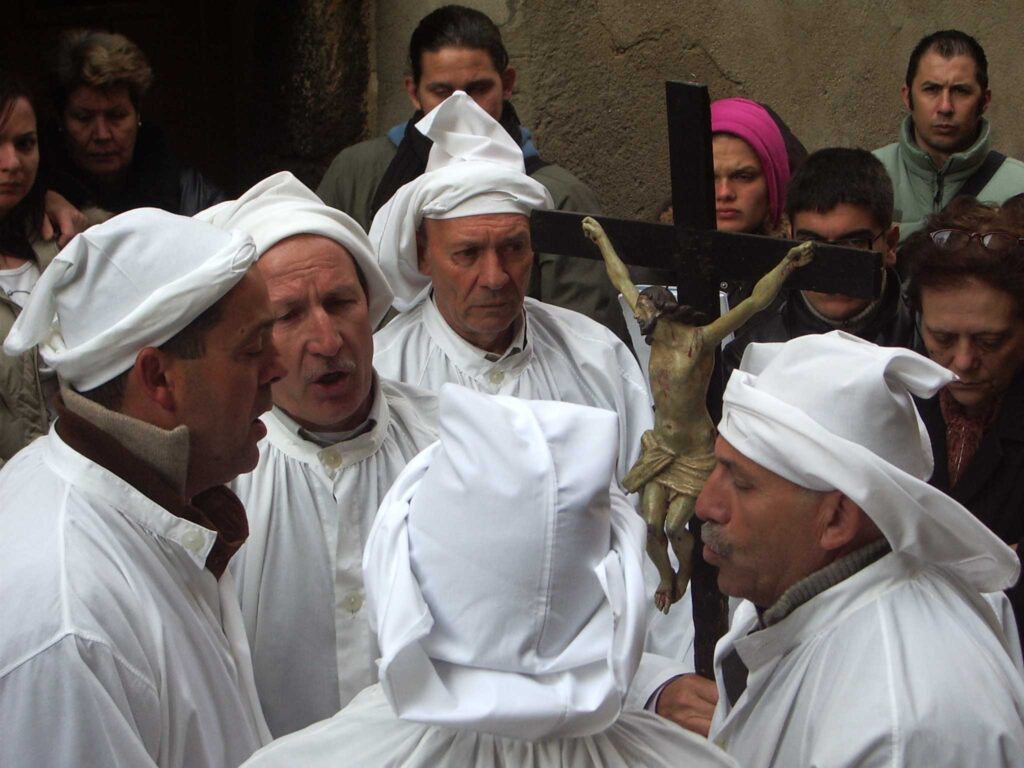
– where we can find older traditions of overtone singing, often called throat singing, like the most famous cases of Tuva (which is covered in one whole chapter) and Mongolia (which is covered together with Tibetan and other traditions);
– how overtone singing emerged recently in the modern world and its historical development in about 5 decades
– what many people in the modern world believe, experience and do with vocal overtones
– how all these aspects converge in the practice and thoughts of the author, and how they also often conflict with one another.
What follows is an excerpt from the book’s introduction. Read on to learn each section’s contents in greater detail. The entire introduction is also available as a download.
DOUBLE SPLITS AND A SYNTHESIS: THE FIVE PARTS OF THE BOOK
The challenge with this book is to give you a comprehensive understanding of a musical technique and principle in its ancient as well as modern forms; to show its cultural, religious and spiritual significance in widely diverging areas; and to explain its physical, acoustical properties as much as possible from an embodied and experiential perspective – not dry, theoretical facts. This scope is reflected in the four main sections: Physics, Traditions, Modernities and Metaphysics. In addition, I want to show you how I, for one, hold that panorama of ideas and practices together: hence the fifth and final part, Quintessence. To keep all those strands of creative, intellectual and contemplative work afloat in a more or less consistent view is sort of a juggling act, and that is what I have always loved to do most. I assembled what traditional practitioners, professional musicians and composers have told me and summarise what scholars have written about overtone singing and related subjects. We move from very specific case studies about a single musician or acoustic problem to another but always come back to bigger questions. Harmonics as such are timeless aspects of the sensory world that have left their traces in our ears and brains during the timespan of our long evolution.
Very few ethnic groups are known to have sustained a tradition of overtone singing for centuries, patiently passing on their skills for countless generations. Only very recently do harmonics, issuing from the voice as distinct sounds, enter into more general and global awareness. I consider this step a milestone in human evolution and feel immense gratitude for being able to explore, explain and ‘execute’ it. This book is intended for readers who are willing to open their ears, eyes, minds and perhaps their mouths to acquire a full picture of an art and a phenomenon that does not belong to any single culture, region or epoch.
I will now walk you through the book’s five parts, but I urge you to start reading wherever you like. Remember that none of the traditions has a well-developed theoretical understanding of harmonics! Frequent cross-references and use of the index will facilitate reading a single chapter or parts thereof, depending on your interest and your existing knowledge of or experience in overtone singing.
PART ONE: PHYSICS
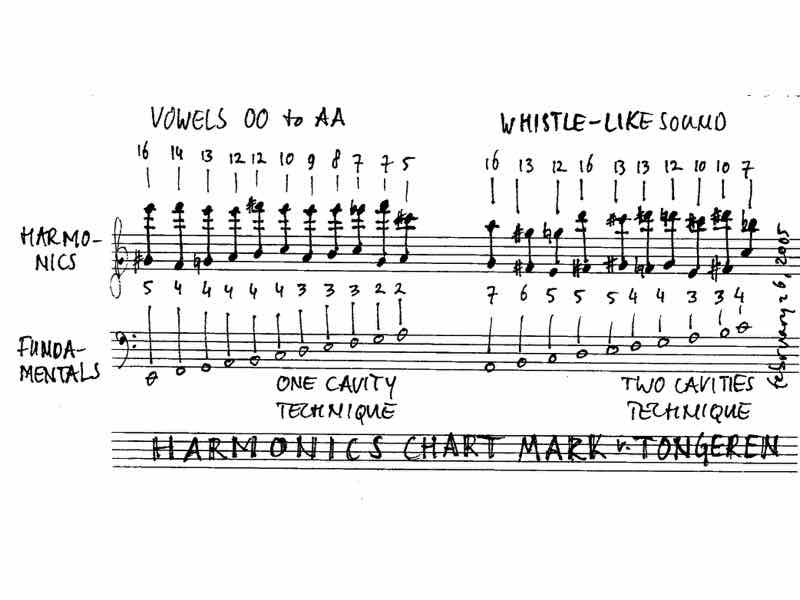
‘How do you do that?’ is the first question most Western listeners ask when hearing those whistling notes above a low drone. It is also the question this book addresses in Chapter 1. Many listeners and readers who come to this music have received an education based on European models of knowledge, which means you need some concrete facts first. Instead of focussing entirely on musical and theoretical aspects, we investigate how we all make sounds in our body, how we shape them and how overtones play a role in most sounds we hear and make. Most of us do not have the slightest awareness of the complexity of the system to produce speech and a host of other noises. A mere thought in our brain is enough to utter it, and before we know it, the people at our table have (literally) incorporated that thought into their brains. Overtone singing is somewhat akin to learning a new language as an adult: We need to figure out where to put the tongue or add breath or emphasise the throat. From there we move on quickly to the advanced stages of creating clear, audible overtones. As much as possible in plain language, and with the help of many graphs, I explain the finer details of articulating or shaping vowels and overtones using specific mouth positions. We gradually see how singers can tip the balance from the fundamental we usually hear (with a certain timbre) to the overtones we usually don’t hear. We learn how monks and nomads tip that balance even more towards piercing overtones or towards crazily deep (sub)fundamentals by adjusting the source sound from their larynx. We will dwell on the somewhat confusing terms overtone singing and throat singing, look in the opposite direction to ‘undertones’ and consider the possibilities of female voices and choruses to produce overtones.
Chapter 2 shifts the focus to the creative act of listening. You may think your brain simply registers the sounds out there in a more or less mechanical way. But there is a lot of selecting and processing going on to produce a sense of sound inside your head. Unawares, we adopt certain innate strategies for listening, which also means there are signals that we do not hear. If we compare ourselves to the Turko-Mongols, we are truly poor receivers of sound signals! To me they are sound technologists who cracked the code of how to listen better. Overtone singing is a technique that invites us to break through habitual patterns of listening: it confronts us with questions of perception (how we register sound signals from the outside world and transform them into neural patterns) and cognition (how we process them in the brain). I call the exploration of old and new musical, creative languages combined with creative listening strategies paraphony.
There is much to learn from composers and musicians who have a talent for listening and explore such concepts in their works. But there are also limits to what we can learn. To witness a Mongolian throat singer produce a melody of whistle-like sounds for the very first time is a life-changing, jaw-dropping shock for some people. For others it is just a mildly amusing curiosity because their hearing does not get fired up the way other people’s ears do.
PART TWO: TRADITIONS
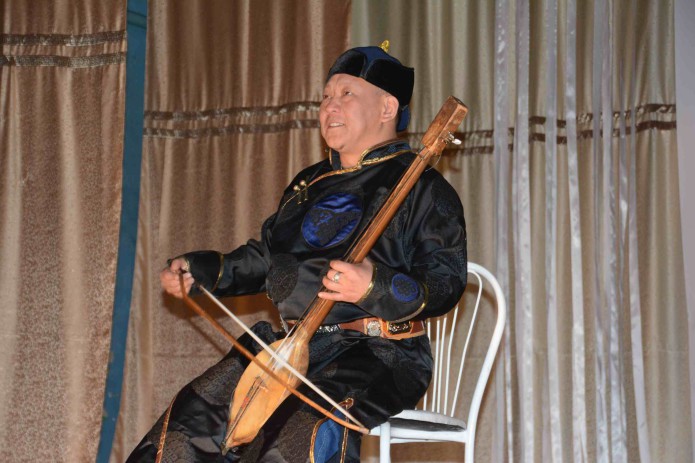
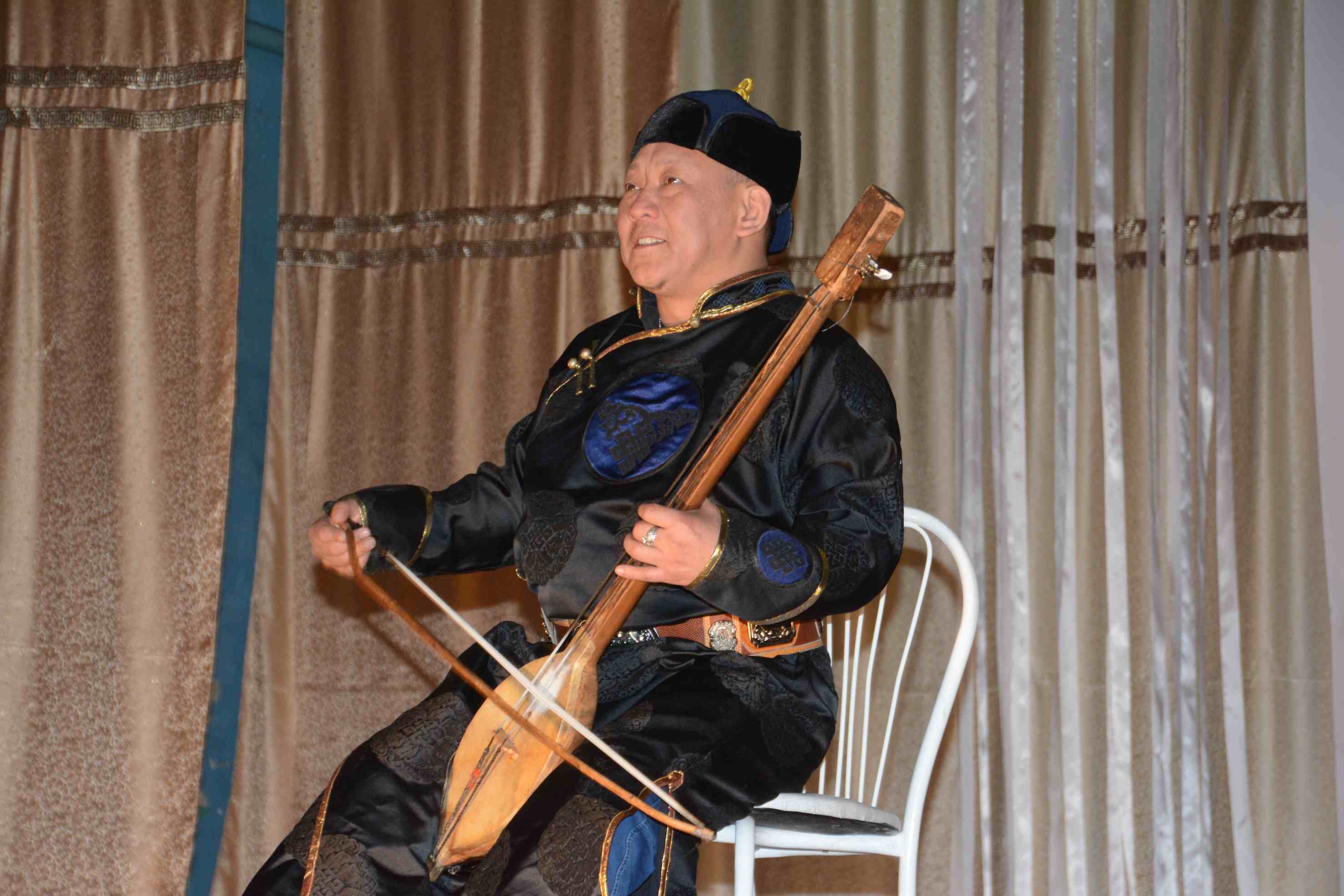
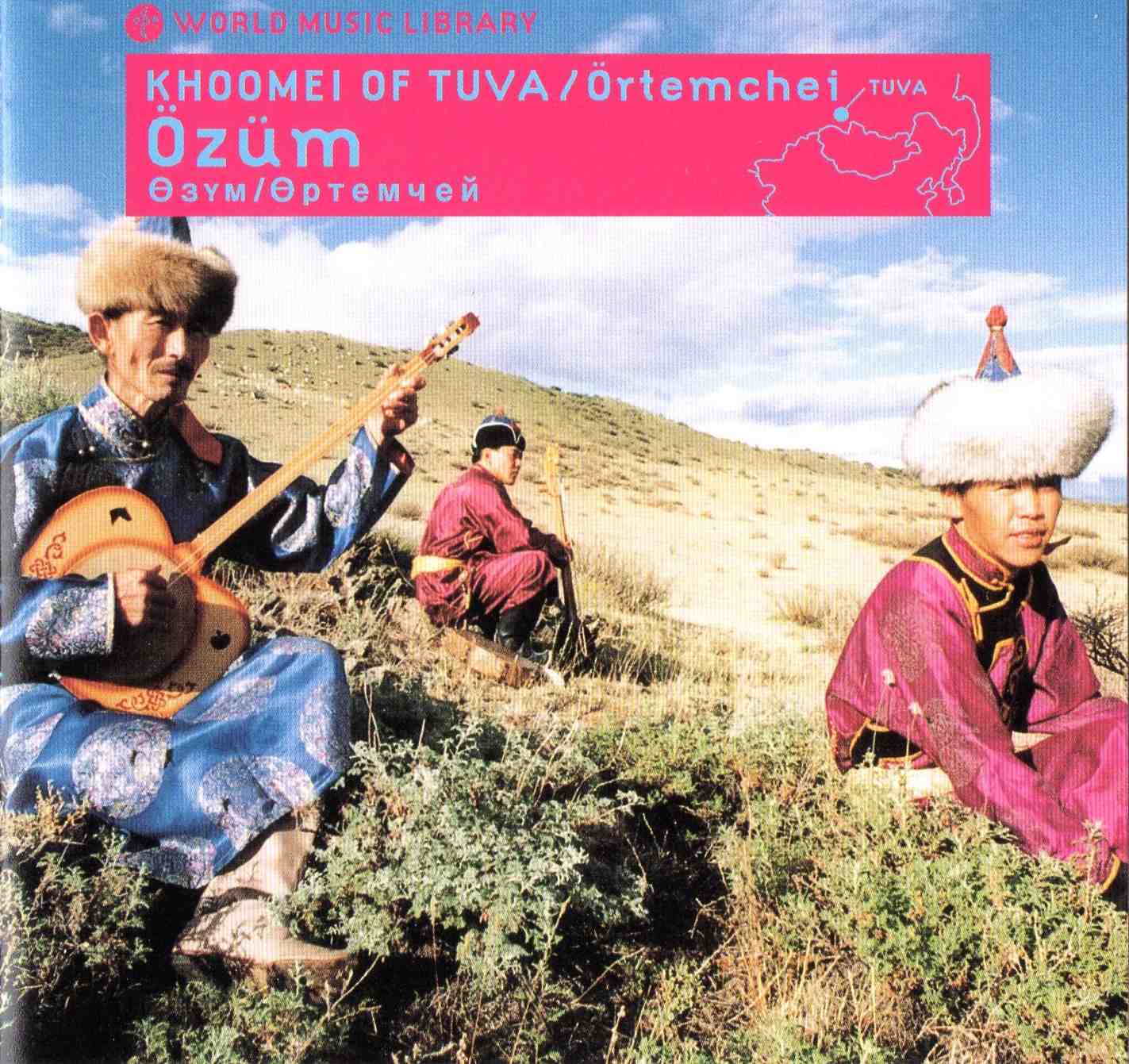
Thinking back, I never had a jaw-dropping experience with vocal overtones, probably because I was already expecting there must be more to timbre than ‘one whole thing’. But I was never mildly amused, either. I became obsessed with the question of why so few cultures knew about overtone singing until recently and wanted to get first-hand answers from the experts. I got my early training in ethnomusicology, and that perspective informs my exploration of traditions in Part Two: Traditions. One important work that many of us refer to again and again is How Musical Is Man? by John Blacking, who stated: ‘Ethnomusicology is not only an area of study concerned with exotic music, nor a musicology of the ethnic – it is a discipline that holds out hope for a deeper understanding of all music’. To which I may add that ‘music’ must be stretched to include all kinds of sounds produced by humans and their environments. We will first turn our attention to the Inner Asian mountains and steppes, where nomadic (or formerly nomadic) peoples sustain lively sound-making cultures based on timbre and overtones. Tuva, where people speak an old Turkic language, has been my foremost destination for fieldwork because it boasts a great number of excellent khöömei singers. I was fortunate to witness a powerful renaissance of indigenous musical traditions in Tuva and neighbouring republics during the 1990s and meet dozens of talented musicians, many of whom have passed away.
The subsequent sections of Part Two highlight many other ways to make the overtones of human voices audible. A young Mongol wonders about his own voice, which sounds more like metal than flesh, and a young Khakas man discovers a talent, almost overnight, for telling lengthy epics in a deep guttural voice. The Mongolian, Khakas and other traditions stem from a common root, together with Tuvan throat singing. The chordal chanting of Tibetan Gelugpa lamas is a very different story, as is Mediterranean polyphonic singing from Sardinia that sometimes gives rise to a ‘virtual voice’ of fused timbres. These traditions are alive and well, as I was able to witness with my own ears in India and Italy, and so is American barbershop, which I have never heard up close. Now, in 2022, the very tiny slice of Xhosa people who practise overtone singing in South Africa is in serious decline. It is my hope that this book could spark more people’s interest in one of these little-known music cultures so that they can be sustained for generations to come. I should add that I have been able to return only to Tuva again and again; some of the other eyewitness accounts are from more than two decades ago. In this short time a new generation has begun to change those traditions that are still very much alive.
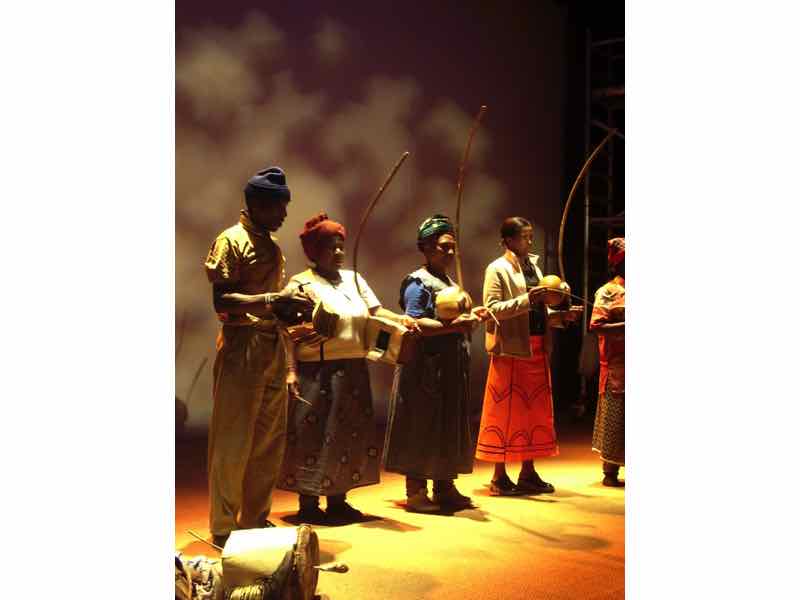
Photo: Mark van Tongeren
PART THREE: MODERNITIES
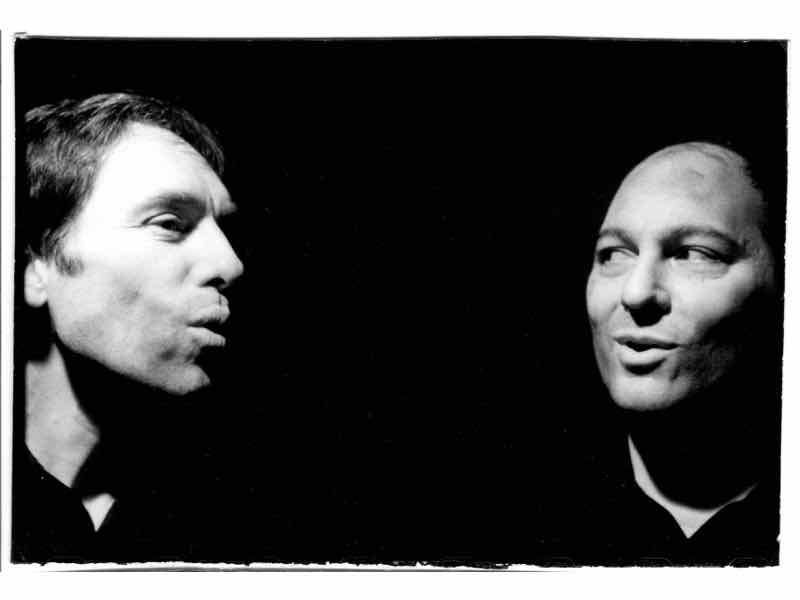
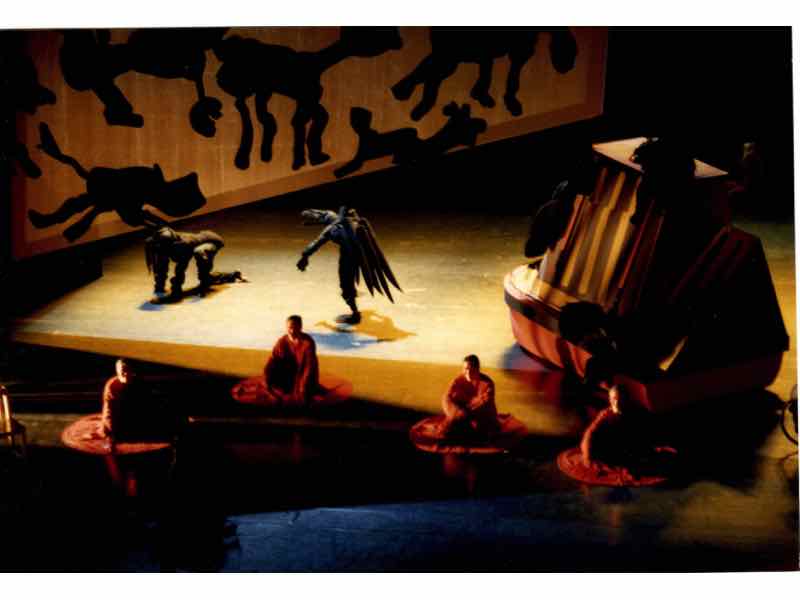
Two to three decades before Turko-Mongol musicians were able to freely travel abroad, composers and musicians in Europe and the USA began to learn about and explore the possibilities of making music with the overtones resonating in human voices. Part Three: Modernities traces the development of overtone singing as a vocal technique practised mostly in the Western world. The pioneers had to start mostly from scratch since they were unaware of or lacked ways to contact the Asian singers or lamas who knew more about the technical procedures of singing overtones. Most works coming from Europe and the States followed an aesthetic paradigm informed by avant-garde and experimental music and developed into newly created styles that had little or nothing to do with the older traditions. Many groups emerged that focused specifically on presenting these vocal sounds, some of which operated under the label ‘overtone choir’ (‘Obertonchor’) – or, in the case of the best-known representative: Harmonic Choir.
The Western narrative often emphasises that overtones are a universal phenomenon, that overtone singing has characteristics that apply everywhere. But, as we will see, there is plenty of variation in the musical styles and in the stories these musicians tell. Within the Western proliferation of musical subcultures, artists like Karlheinz Stockhausen, Michael Vetter and David Hykes have been dismissed as being either New Age or ‘too difficult’ and avant-garde. We must look closer than that to discover the stories that pioneering musicians try to tell us. Once there were many female vocalists at the forefront of experimental harmonic techniques, like Joan La Barbara, and after a period of domination by male singers, we hear more women in the youngest generation of singers. We will also see that the distinction between ‘tradition’ and ‘modernity’ is quite arbitrary because there is a lot of mutual influence and frequent collaborations.
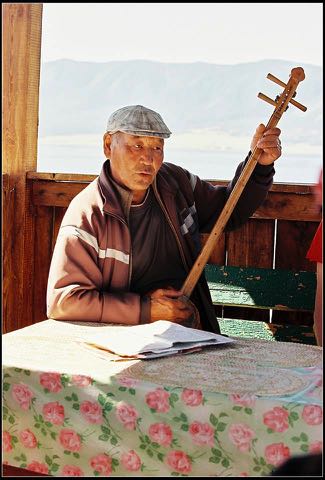
Photo: Ariel Tsai
PART FOUR: METAPHYSICS
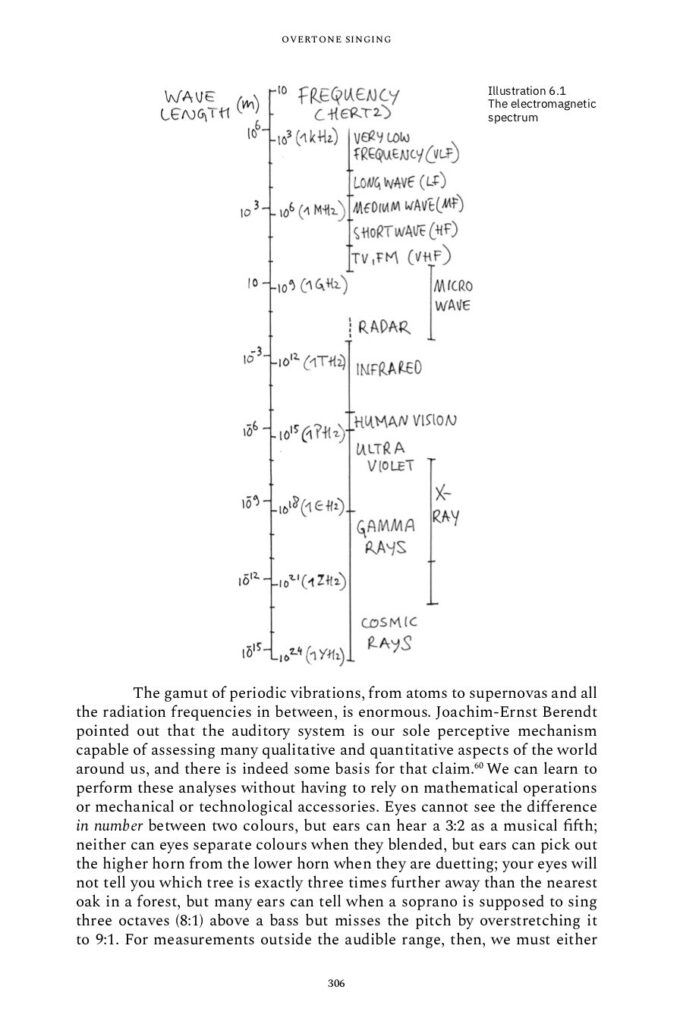
This book’s fourth part, called Metaphysics, is a companion to Modernities. It shifts the emphasis to such issues as meditation, therapy and philosophy insofar as they are related to harmonics and overtone singing. Although it draws upon some Eastern sources, its main focus is the Western world, where the fundamental principles of overtones are used as a metaphor, a belief system and a cosmology – even, one might say, as an artistic form of physics. In the new millennium yoga and meditation have become accepted, well-established tools for millions of new converts, partly endorsed by new scientific research. The positive effects of overtone singing and other harmonic sounds (singing bowls, didgeridoo, Jew’s harp, gongs) are widely reported or claimed in therapy and healing. Solid scientific proof is much harder to come by, and so we must look into several closely related subjects, such as ancient beliefs in the wholesome effects of harmonious proportions and relationships, the body-mind problem and chanting, mantras and therapeutic singing. Overtone singing can be a healing and therapic force for some singers but a great technical barrier for others. This is where tapping into the healing power of vowels, opening up to the natural resonances of the voice and a change of consciousness can be a solution.
PART FIVE: QUINTESSENCE
After zooming in on many subjects and geographical areas, we will zoom out and link up the findings. As a cultural musicologist and vocal performer not bound to a single style or genre, I am constantly comparing statements (or works of art) made within one circle (say: contemporary music professionals) to those of another one (say: anthropology of music). The fifth and final part, Quintessence, puts the four overarching themes in dialogue. It articulates what makes certain practices and ideas in the field of overtone singing stand out and debunks some persistent myths. It presents my vision of how to integrate the issues treated separately in the first four parts. I am placing sound in the centre and contrasting ideas about the self with some of the philosophical implications of modern science. I invite readers to weave the threads between all these aspects of sound and music in their own way.

THE AUDIO ANTHOLOGY
It’s all part of the fascinating paradox of overtones produced by human throats, made audible: a first attempt to glimpse the entire field, to give equal attention to all traditions and new inventions, to historical backgrounds and scientific evidence, to hearing and (a bit less) to singing (that’s another book or online course). I am extremely happy that the Anthology of Overtone Singing, mostly consisting of my on-site field recordings, now covers all the older traditions. Even though I wrote about all of the traditions in earlier editions of this book, I had not visited or made sound recordings of Tibetan, Sardinian and South African Xhosa overtone singing. By now I have made fieldwork trips to every area or, in the case of the Xhosa, spent time with the musicians on tour, witnessed their performance first-hand and made recordings. That means my current Anthology of Overtone Singing covers every area where overtone singing or throat singing has been practised for centuries. In addition, there are several demos and examples of modern overtone singing performed by myself, either alone or with others. The text of Parts One and Two often makes explicit reference to these recordings.
[end of Double Splits and a Synthesis from the book’s Introduction ]

Facts about the book
The audio companion to the book Anthology of Overtone Singing offers the most complete survey of traditional techniques of overtone singing from various regions of the world to date, as well as many demonstrations/pieces with modern-style overtone singing. It is available online on Bandcamp for listening and for purchase as a download or CD, with or without the book.
About the author
Mark van Tongeren is a sound explorer with an interest in the synergy of the arts, sciences and contemplative traditions. He has 30 years of experience in theatre, music and dance productions and holds a PhD in artistic research from Leiden University’s Academy of Creative and Performing Arts. As a cultural musicologist, he has worked with indigenous musicians in Siberia, Taiwan, the Tibetan diaspora and Corsica/Sardinia, with a special focus on timbre and overtones. In his artistic output he seeks to absorb, juxtapose and transcend the music and performing arts from many of the world’s traditions, including Western music of past and present.
FORWORD BY TRÂN QUANG HAI
 |
||
| The author onstage with Trân Quang Hai in 1995 in Kyzyl, Tuva, at the International Festival Khöömei | ||
|
The interest in that peculiar vocal style in the Western world began around the 1960s. Since this time there have been many specialised studies from scholars, as well as musical explorations by composers and singers. My fascination with overtone singing began in 1969. That year, the first sound documents of Mongolian throat singing were brought to Paris by anthropologist Roberte Hamayon. It pushed me towards overtones research from the acoustical point of view first, and later towards the anatomy of the voice, questions about music therapy and the musical aspects of its performance and composition. The increasing interest in overtones in the West has further become evident in contemporary music, New Age music and healing with the voice. Trân Quang Hai Ethnomusicologist / Composer |
||
Dr. Trân Quang Hai was a dear friend and colleague who passed away in December 2021.
The book is dedicated to him, Michael Vetter and the Tuvans.
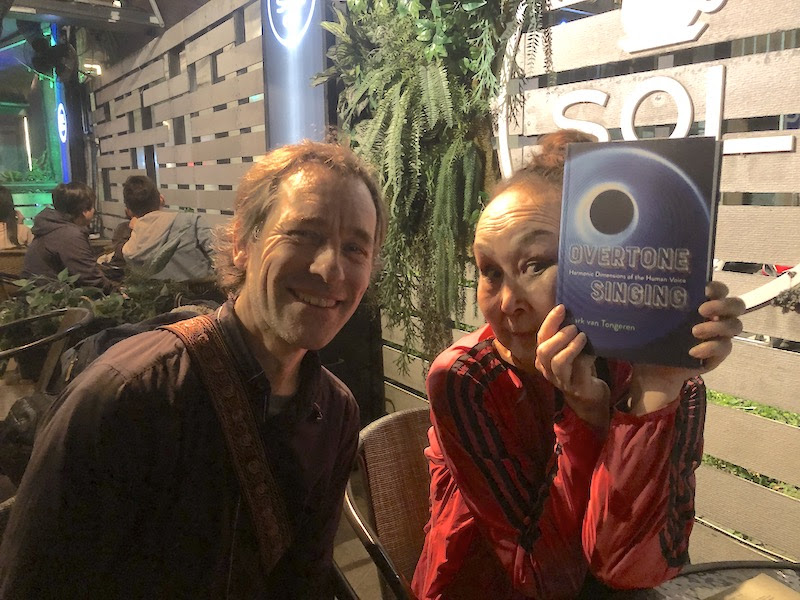
Dame Sainkho Namtchylak, one of the first throat singers to receive my new book and advertise it in her workshop – as I noticed many overtone singing teachers like to do. Taipei, February 2023.

MORE REVIEWS
Tot noch toe had ik nooit een boek gelezen over boventonen dat ik echt de moeite vond, tot nu dus. Wat een schat aan informatie en ervaring. … Ik hou ook enorm van het concept ‘paraphony’. Bedankt voor de inzichten en inspiratie!!! – Maarten Adriaenssens (FB)
Until now I have never read a book about overtones that I really found worthwhile, that is, up till now. What a treasure trove of information and experience… I also really like the concept ‘paraphony’. Thanks for the insights and inspiritation – Maarten Adriaenssens (FB)
I spent all morning with you and your book and CD. The English is clear and not arduous, so it is easy and pleasant to read for a foreigner like me. – Arnaud Lechat (email)
”Thank you very much … for your book on overtone singing. I’m just finshing it, and It helped me a lot on my overtone journey, and even sparked the interest again, when I felt it was going down. Thank you for your work. :)” – Alexei Ulinici (YouTube)
AVAILABLE WORLDWIDE
Do you want the physical book + ‘Anthology of Overtone Singing’ album?
Purchase Now
or order the physical book directly from us:
Purchase Now
For the book only:
Amazon (affiliate link),
For the E-book:
through Amazon Kindle in E-pub format (affiliate link).