resonance

How to hear your own overtones?

In exactly two weeks I will host a free introduction event to my online course Overtone Singing – Basics. This course is now running non-stop: students can join anytime and get life-long access. This event will be on June 13 at 2 PM Central European Time, and hosted by Hsi-Yin. Register here if you want to be part of it. Please share it with anyone who would be interested.

Here is a video in which I explain some of the things that are essential for those who start on the path of learning to sing overtones. Enjoy!


The Overtone Singing Book

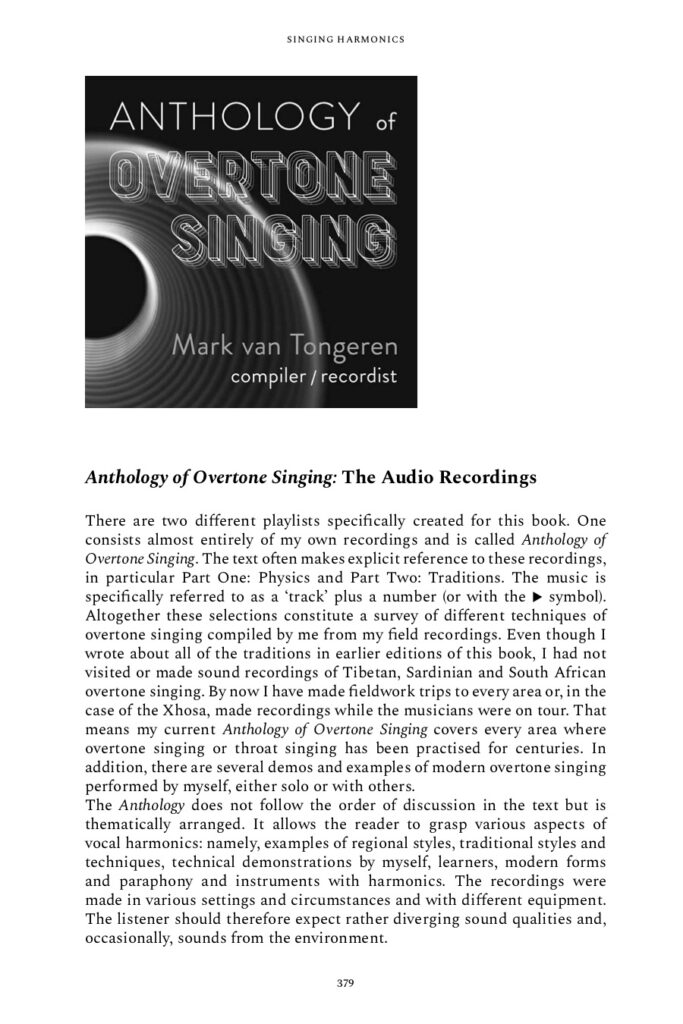
Overtone Singing is the most comprehensive book ever written on the hidden harmonies of the human voice. Ethnomusicologist and vocalist Mark van Tongeren offers a fascinating insight into timeless and universal aspects of sound. Grounded in a decades-long practical and theoretical study of music, he draws upon field work and interviews with eastern and western musicians and composers across the spectrum from archaic traditions to contemporary experiments. This well-illustrated book presents a multidisciplinary vision that incorporates the science of acoustics and perception, onward to the philosophical and spiritual dimensions of music. It critically examines claims about the supposed healing effects of overtones, juxtaposing local and global practices and transcending some of our core ideas about sound and music. An indispensable guide for musicians, listeners and scholars seeking a deeper understanding of the nature of the human voice and its harmonic possibilities.


AVAILABLE WORLDWIDE

Do you want the physical book + ‘Anthology of Overtone Singing’ album?

                             Purchase Now


or order the physical book directly from us: 

                            Purchase Now


For the book only:

Amazon (affiliate link),


For the E-book:

through Amazon Kindle in E-pub format (affiliate link).


Or read on first, and go to Bandcamp to play the companion album while you are reading!

Below you will find – 
some reviews
an outline of the book’s content (also as a free download pdf file) 
details of the Anthology of Overtone Singing album
 facts of the book 
and the book’s Foreword by Trân Quang Hai.


REVIEWS / APPRAISALS

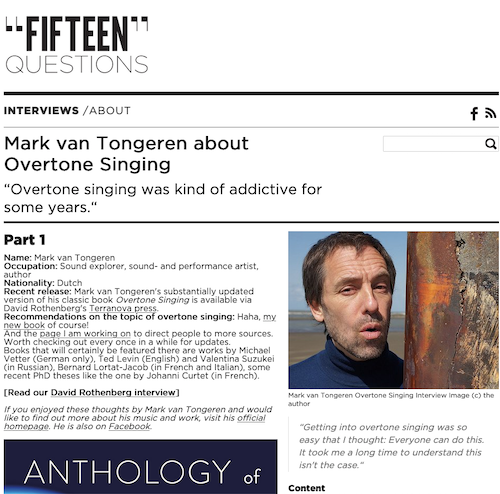
Interview for 15 questions.


Great Book – Mia Bocceli (Amazon)


”I love your work and research. Your book and recordings are a must have. I use the overtone technique, mostly the vowels one, to rehabilitate voice disorders.  It’s amazing how speeds up recovery. ” – EDG, USA (Bandcamp)


”Thanks a lot for this epic work! It will be an invaluable asset for continuous studying… Also, i’ve just registered with the MUOM choir here in Barcelona (https://www.muom.net). My life will never be the same again :-)” – Gunter Strube, Spain (Email)


”This important book fills a gap in the history and art of overtone singing… Author Mark van Tongeren covers the entire subject from its scientific-anatomical studies of various techniques, to his ethnomusicological field work in Siberia’s Tuva republic, to a discussion of Western approaches and attitudes…The wide scope of this book and its detailed but accessible approaches will provide a greater appreciation of the power of voice and the ever fascination of exotic sound.” – Dr. Debra Jan Bibel, USA (Amazon)


Download the book’s introduction with a panoramic overview of the subject matter.


A bird’s-eye view of the book’s contents

Download the Table of Contents.

The book is divided into five parts: Physics, Traditions, Modernity, Metaphysics and Quintessence. They are devoted to these questions:

– how we can sing overtones, and why it is that we often do not hear overtones in the voice;

– where we can find older traditions of overtone singing, often called throat singing, like the most famous cases of Tuva (which is covered in one whole chapter) and Mongolia (which is covered together with Tibetan and other traditions);

– how overtone singing emerged recently in the modern world and its historical development in about 5 decades

– what many people in the modern world believe, experience and do with vocal overtones

– how all these aspects converge in the practice and thoughts of the author, and how they also often conflict with one another.

What follows is an excerpt from the book’s introduction. Read on to learn each section’s contents in greater detail. The entire introduction is also available as a download.


DOUBLE SPLITS AND A SYNTHESIS: THE FIVE PARTS OF THE BOOK

The challenge with this book is to give you a comprehensive understanding of a musical technique and principle in its ancient as well as modern forms; to show its cultural, religious and spiritual significance in widely diverging areas; and to explain its physical, acoustical properties as much as possible from an embodied and experiential perspective – not dry, theoretical facts. This scope is reflected in the four main sections: Physics, Traditions, Modernities and Metaphysics. In addition, I want to show you how I, for one, hold that panorama of ideas and practices together: hence the fifth and final part, Quintessence. To keep all those strands of creative, intellectual and contemplative work afloat in a more or less consistent view is sort of a juggling act, and that is what I have always loved to do most. I assembled what traditional practitioners, professional musicians and composers have told me and summarise what scholars have written about overtone singing and related subjects. We move from very specific case studies about a single musician or acoustic problem to another but always come back to bigger questions. Harmonics as such are timeless aspects of the sensory world that have left their traces in our ears and brains during the timespan of our long evolution.

Very few ethnic groups are known to have sustained a tradition of overtone singing for centuries, patiently passing on their skills for countless generations. Only very recently do harmonics, issuing from the voice as distinct sounds, enter into more general and global awareness. I consider this step a milestone in human evolution and feel immense gratitude for being able to explore, explain and ‘execute’ it. This book is intended for readers who are willing to open their ears, eyes, minds and perhaps their mouths to acquire a full picture of an art and a phenomenon that does not belong to any single culture, region or epoch.

I will now walk you through the book’s five parts, but I urge you to start reading wherever you like. Remember that none of the traditions has a well-developed theoretical understanding of harmonics! Frequent cross-references and use of the index will facilitate reading a single chapter or parts thereof, depending on your interest and your existing knowledge of or experience in overtone singing.


PART ONE: PHYSICS

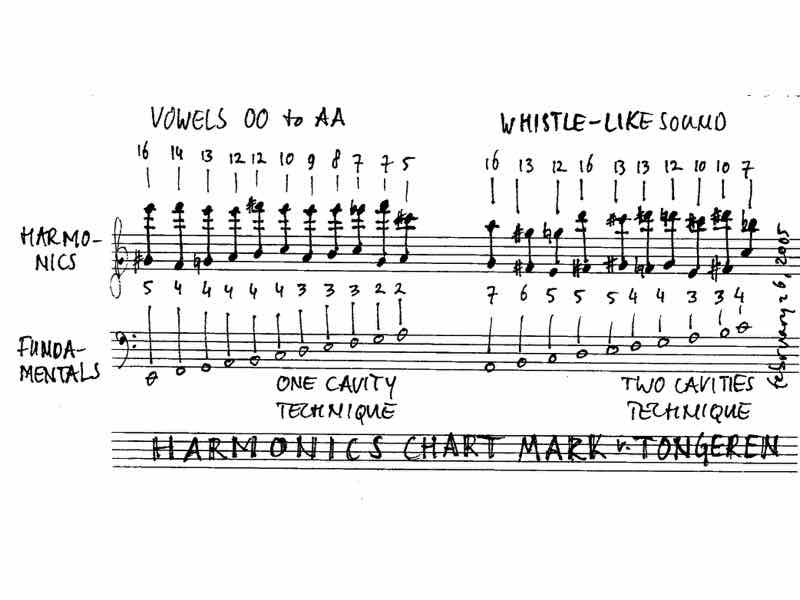
‘How do you do that?’ is the first question most Western listeners ask when hearing those whistling notes above a low drone. It is also the question this book addresses in Chapter 1. Many listeners and readers who come to this music have received an education based on European models of knowledge, which means you need some concrete facts first. Instead of focussing entirely on musical and theoretical aspects, we investigate how we all make sounds in our body, how we shape them and how overtones play a role in most sounds we hear and make. Most of us do not have the slightest awareness of the complexity of the system to produce speech and a host of other noises. A mere thought in our brain is enough to utter it, and before we know it, the people at our table have (literally) incorporated that thought into their brains. Overtone singing is somewhat akin to learning a new language as an adult: We need to figure out where to put the tongue or add breath or emphasise the throat. From there we move on quickly to the advanced stages of creating clear, audible overtones. As much as possible in plain language, and with the help of many graphs, I explain the finer details of articulating or shaping vowels and overtones using specific mouth positions. We gradually see how singers can tip the balance from the fundamental we usually hear (with a certain timbre) to the overtones we usually don’t hear. We learn how monks and nomads tip that balance even more towards piercing overtones or towards crazily deep (sub)fundamentals by adjusting the source sound from their larynx. We will dwell on the somewhat confusing terms overtone singing and throat singing, look in the opposite direction to ‘undertones’ and consider the possibilities of female voices and choruses to produce overtones.

Chapter 2 shifts the focus to the creative act of listening. You may think your brain simply registers the sounds out there in a more or less mechanical way. But there is a lot of selecting and processing going on to produce a sense of sound inside your head. Unawares, we adopt certain innate strategies for listening, which also means there are signals that we do not hear. If we compare ourselves to the Turko-Mongols, we are truly poor receivers of sound signals! To me they are sound technologists who cracked the code of how to listen better. Overtone singing is a technique that invites us to break through habitual patterns of listening: it confronts us with questions of perception (how we register sound signals from the outside world and transform them into neural patterns) and cognition (how we process them in the brain). I call the exploration of old and new musical, creative languages combined with creative listening strategies paraphony.

There is much to learn from composers and musicians who have a talent for listening and explore such concepts in their works. But there are also limits to what we can learn. To witness a Mongolian throat singer produce a melody of whistle-like sounds for the very first time is a life-changing, jaw-dropping shock for some people. For others it is just a mildly amusing curiosity because their hearing does not get fired up the way other people’s ears do.

PART TWO: TRADITIONS

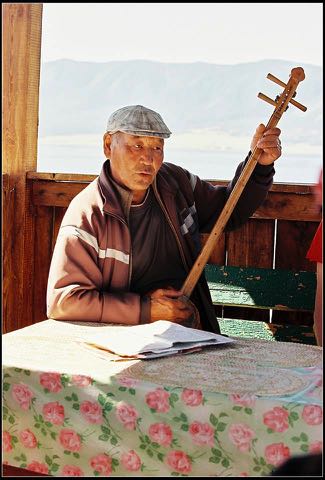
Thinking back, I never had a jaw-dropping experience with vocal overtones, probably because I was already expecting there must be more to timbre than ‘one whole thing’. But I was never mildly amused, either. I became obsessed with the question of why so few cultures knew about overtone singing until recently and wanted to get first-hand answers from the experts. I got my early training in ethnomusicology, and that perspective informs my exploration of traditions in Part Two: Traditions. One important work that many of us refer to again and again is How Musical Is Man? by John Blacking, who stated: ‘Ethnomusicology is not only an area of study concerned with exotic music, nor a musicology of the ethnic – it is a discipline that holds out hope for a deeper understanding of all music’. To which I may add that ‘music’ must be stretched to include all kinds of sounds produced by humans and their environments. We will first turn our attention to the Inner Asian mountains and steppes, where nomadic (or formerly nomadic) peoples sustain lively sound-making cultures based on timbre and overtones. Tuva, where people speak an old Turkic language, has been my foremost destination for fieldwork because it boasts a great number of excellent khöömei singers. I was fortunate to witness a powerful renaissance of indigenous musical traditions in Tuva and neighbouring republics during the 1990s and meet dozens of talented musicians, many of whom have passed away.

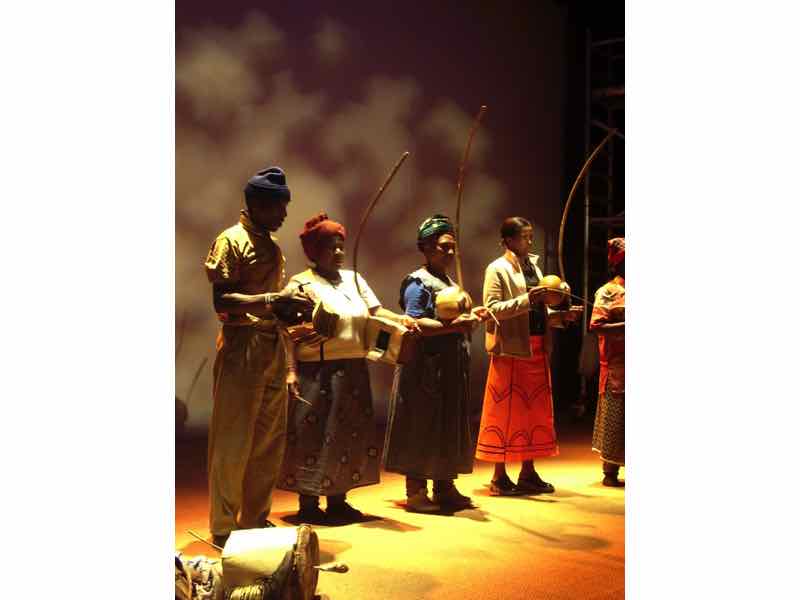
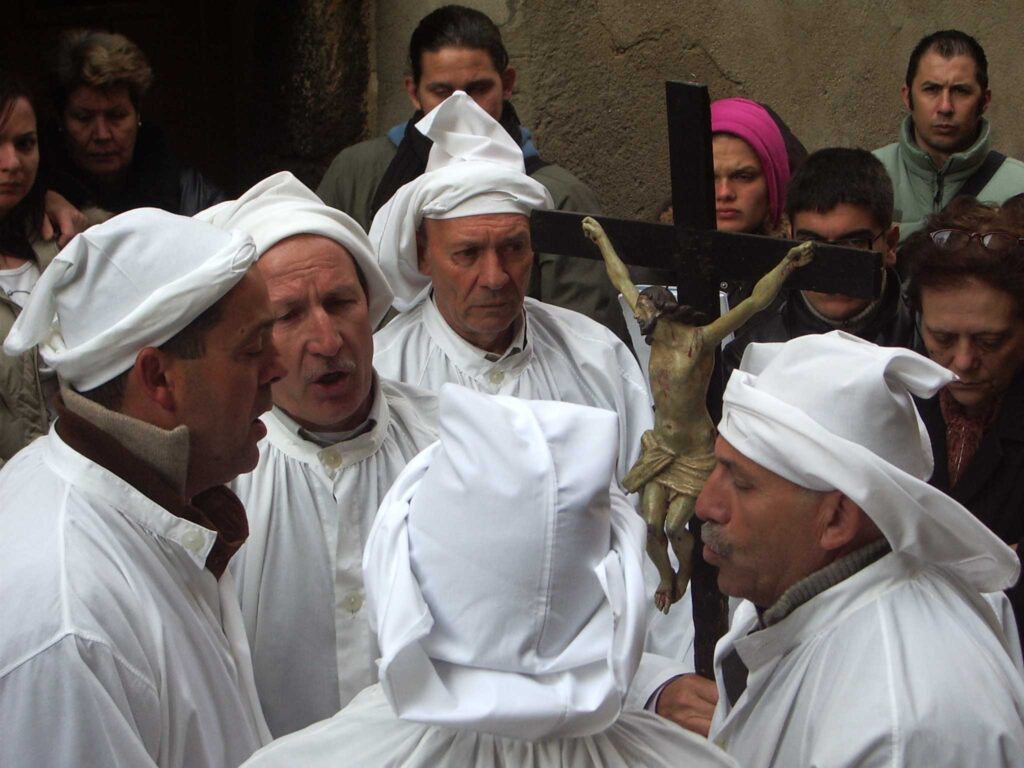
The subsequent sections of Part Two highlight many other ways to make the overtones of human voices audible. A young Mongol wonders about his own voice, which sounds more like metal than flesh, and a young Khakas man discovers a talent, almost overnight, for telling lengthy epics in a deep guttural voice. The Mongolian, Khakas and other traditions stem from a common root, together with Tuvan throat singing. The chordal chanting of Tibetan Gelugpa lamas is a very different story, as is Mediterranean polyphonic singing from Sardinia that sometimes gives rise to a ‘virtual voice’ of fused timbres. These traditions are alive and well, as I was able to witness with my own ears in India and Italy, and so is American barbershop, which I have never heard up close. Now, in 2022, the very tiny slice of Xhosa people who practise overtone singing in South Africa is in serious decline. It is my hope that this book could spark more people’s interest in one of these little-known music cultures so that they can be sustained for generations to come. I should add that I have been able to return only to Tuva again and again; some of the other eyewitness accounts are from more than two decades ago. In this short time a new generation has begun to change those traditions that are still very much alive.

Photo: Mark van Tongeren

PART THREE: MODERNITIES

Two to three decades before Turko-Mongol musicians were able to freely travel abroad, composers and musicians in Europe and the USA began to learn about and explore the possibilities of making music with the overtones resonating in human voices. Part Three: Modernities traces the development of overtone singing as a vocal technique practised mostly in the Western world. The pioneers had to start mostly from scratch since they were unaware of or lacked ways to contact the Asian singers or lamas who knew more about the technical procedures of singing overtones. Most works coming from Europe and the States followed an aesthetic paradigm informed by avant-garde and experimental music and developed into newly created styles that had little or nothing to do with the older traditions. Many groups emerged that focused specifically on presenting these vocal sounds, some of which operated under the label ‘overtone choir’ (‘Obertonchor’) – or, in the case of the best-known representative: Harmonic Choir.

The Western narrative often emphasises that overtones are a universal phenomenon, that overtone singing has characteristics that apply everywhere. But, as we will see, there is plenty of variation in the musical styles and in the stories these musicians tell. Within the Western proliferation of musical subcultures, artists like Karlheinz Stockhausen, Michael Vetter and David Hykes have been dismissed as being either New Age or ‘too difficult’ and avant-garde. We must look closer than that to discover the stories that pioneering musicians try to tell us. Once there were many female vocalists at the forefront of experimental harmonic techniques, like Joan La Barbara, and after a period of domination by male singers, we hear more women in the youngest generation of singers. We will also see that the distinction between ‘tradition’ and ‘modernity’ is quite arbitrary because there is a lot of mutual influence and frequent collaborations.

Photo: Ariel Tsai

PART FOUR: METAPHYSICS

This book’s fourth part, called Metaphysics, is a companion to Modernities. It shifts the emphasis to such issues as meditation, therapy and philosophy insofar as they are related to harmonics and overtone singing. Although it draws upon some Eastern sources, its main focus is the Western world, where the fundamental principles of overtones are used as a metaphor, a belief system and a cosmology – even, one might say, as an artistic form of physics. In the new millennium yoga and meditation have become accepted, well-established tools for millions of new converts, partly endorsed by new scientific research. The positive effects of overtone singing and other harmonic sounds (singing bowls, didgeridoo, Jew’s harp, gongs) are widely reported or claimed in therapy and healing. Solid scientific proof is much harder to come by, and so we must look into several closely related subjects, such as ancient beliefs in the wholesome effects of harmonious proportions and relationships, the body-mind problem and chanting, mantras and therapeutic singing. Overtone singing can be a healing and therapic force for some singers but a great technical barrier for others. This is where tapping into the healing power of vowels, opening up to the natural resonances of the voice and a change of consciousness can be a solution.

PART FIVE: QUINTESSENCE

After zooming in on many subjects and geographical areas, we will zoom out and link up the findings. As a cultural musicologist and vocal performer not bound to a single style or genre, I am constantly comparing statements (or works of art) made within one circle (say: contemporary music professionals) to those of another one (say: anthropology of music). The fifth and final part, Quintessence, puts the four overarching themes in dialogue. It articulates what makes certain practices and ideas in the field of overtone singing stand out and debunks some persistent myths. It presents my vision of how to integrate the issues treated separately in the first four parts. I am placing sound in the centre and contrasting ideas about the self with some of the philosophical implications of modern science. I invite readers to weave the threads between all these aspects of sound and music in their own way.


THE AUDIO ANTHOLOGY

It’s all part of the fascinating paradox of overtones produced by human throats, made audible: a first attempt to glimpse the entire field, to give equal attention to all traditions and new inventions, to historical backgrounds and scientific evidence, to hearing and (a bit less) to singing (that’s another book or online course). I am extremely happy that the Anthology of Overtone Singing, mostly consisting of my on-site field recordings, now covers all the older traditions. Even though I wrote about all of the traditions in earlier editions of this book, I had not visited or made sound recordings of Tibetan, Sardinian and South African Xhosa overtone singing. By now I have made fieldwork trips to every area or, in the case of the Xhosa, spent time with the musicians on tour, witnessed their performance first-hand and made recordings. That means my current Anthology of Overtone Singing covers every area where overtone singing or throat singing has been practised for centuries. In addition, there are several demos and examples of modern overtone singing performed by myself, either alone or with others. The text of Parts One and Two often makes explicit reference to these recordings.

[end of  Double Splits and a Synthesis  from the book’s  Introduction ]


Facts about the book

Title:
Overtone Singing – Harmonic Dimensions of the Human Voice

Format:
paperback, 382 pages

Dimensions:
152 x 229mm | 367.41g

Features:
42 photos

4 maps

45 musical examples, line drawings, graphics, mostly drawn by the author

Forword by Trân Quang Hai

Footnotes

Bibliography

Discography

Filmography

Tracklisting for the audio examples

Index

Binding:
paperback
Audio:
83 minutes / 37 tracks of music online
Publisher:
David Rothenberg / Terra Nova Press (Newark/Callicoon/Matsalu)
Book design:
Martin Pedanik
Cover design:
Sonja van Hamel


Distributed by:
MIT Press, Cambridge, Massachusetts and London, England
ISBN:
978-1-949597-22-6


The audio companion to the book Anthology of Overtone Singing offers the most complete survey of traditional techniques of overtone singing from various regions of the world to date, as well as many demonstrations/pieces with modern-style overtone singing. It is available online on Bandcamp for listening and for purchase as a download or CD, with or without the book.


About the author

Mark van Tongeren is a sound explorer with an interest in the synergy of the arts, sciences and contemplative traditions. He has 30 years of experience in theatre, music and dance productions and holds a PhD in artistic research from Leiden University’s Academy of Creative and Performing Arts. As a cultural musicologist, he has worked with indigenous musicians in Siberia, Taiwan, the Tibetan diaspora and Corsica/Sardinia, with a special focus on timbre and overtones. In his artistic output he seeks to absorb, juxtapose and transcend the music and performing arts from many of the world’s traditions, including Western music of past and present.


FORWORD BY TRÂN QUANG HAI

Nowadays, overtones are familiar to many people, from laymen to scientific researchers and composers. This familiarity is no doubt the result of the recent introduction in the West of a new vocal technique called overtone singing. This technique enables a singer to produce two simultaneous voices: a continuous drone and a melody of overtones above it.


The author onstage with Trân Quang Hai  in 1995 in Kyzyl, Tuva, at the International Festival Khöömei
 

The interest in that peculiar vocal style in the Western world began around the 1960s. Since this time there have been many specialised studies from scholars, as well as musical explorations by composers and singers. My fascination with overtone singing began in 1969. That year, the first sound documents of Mongolian throat singing were brought to Paris by anthropologist Roberte Hamayon. It pushed me towards overtones research from the acoustical point of view first, and later towards the anatomy of the voice, questions about music therapy and the musical aspects of its performance and composition. The increasing interest in overtones in the West has further become evident in contemporary music, New Age music and healing with the voice.
In 1995, Mark van Tongeren and I met in Amsterdam before we began our trip to Tuva, where both of us participated in the Second World Festival of Throat Singing in Kyzyl. At that time, he had just finished his dissertation at the University of Amsterdam. It was the first extensive study of Tuvan music by someone outside the Russian Federation, carried out just after Tuva had become accessible to foreign visitors. It dealt with the history and modern practice of Tuvan khöömei or guttural overtone singing. As a singer, a collector of field recordings and a musicologist, Mark Van Tongeren brought new dimensions and developments of Tuvan throat singing to light through his excellent research. He also impressed me with his throat singing at the festival in Kyzyl, for which I was chosen as President of the Jury.
In 2001, Mark van Tongeren released his CD on overtones with his original performances. That same year he sent me the manuscript of his book on overtone singing. In this well-documented book, you can find, for the very first time, everything concerning overtone singing in the West, from Karlheinz Stockhausen’s contemporary music to Jill Purce’s healing voice; from electro-acoustic to World and other fusioned music; from renowned Western performers such as Michael Vetter and David Hykes to great masters of overtone singing from Tuva, Mongolia and other parts of the world; and from the Pythagorean harmonic system to OM chanting and New Age mantras.
Overtone Singing does justice to this multitude of cultural traditions and to the countless personalities that have contributed to the development of this way of singing. It has interesting and useful things to teach to everyone who is intrigued by the mysteries of sound and music. I am happy to recommend it to all lovers of overtone and throat singing in the world.

Trân Quang Hai

Ethnomusicologist / Composer
National Centre for Scientific Research, Paris, France


Dr. Trân Quang Hai was a dear friend and colleague who passed away in December 2021.

The book is dedicated to him, Michael Vetter and the Tuvans.


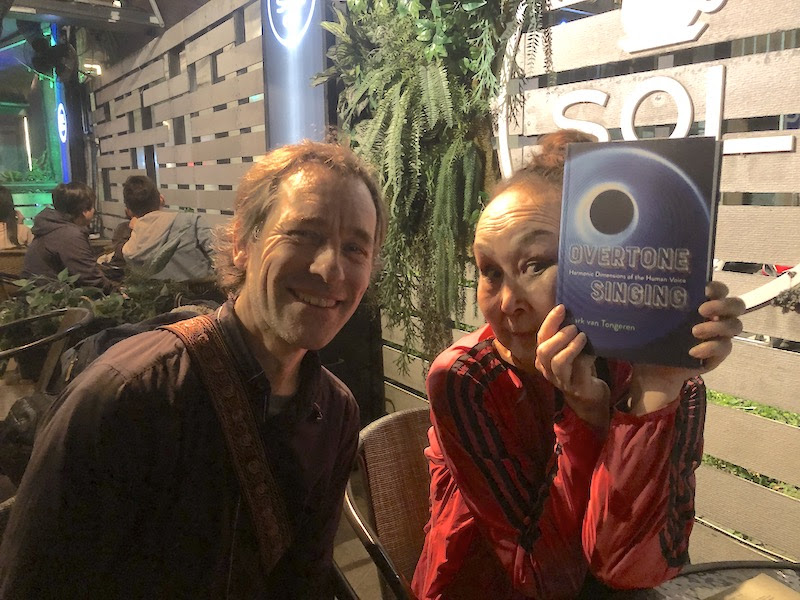
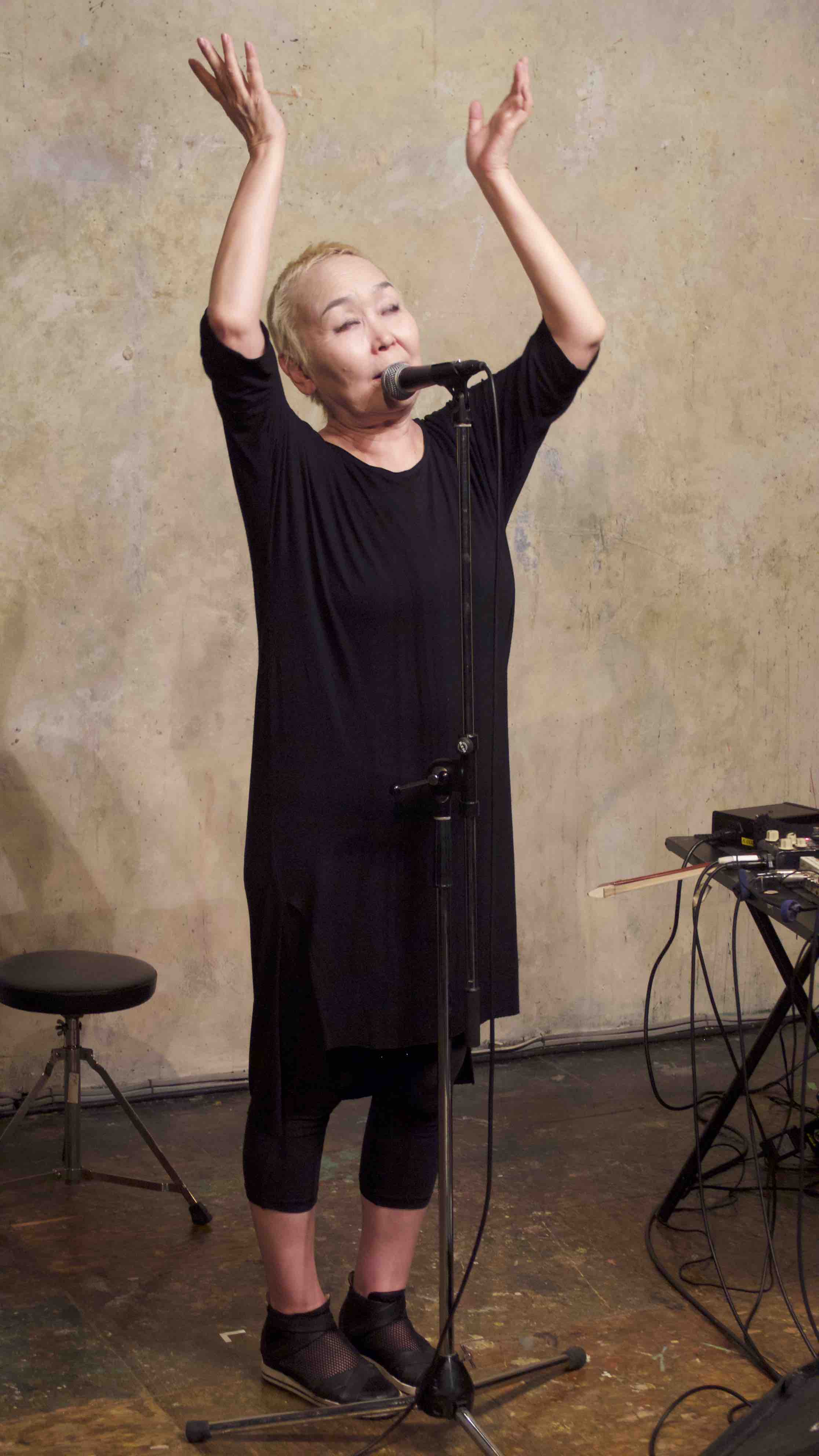
Dame Sainkho Namtchylak, one of the first throat singers to receive my new book and advertise it in her workshop – as I noticed many overtone singing teachers like to do. Taipei, February 2023.


MORE REVIEWS


Tot noch toe had ik nooit een boek gelezen over boventonen dat ik echt de moeite vond, tot nu dus. Wat een schat aan informatie en ervaring. … Ik hou ook enorm van het concept ‘paraphony’. Bedankt voor de inzichten en inspiratie!!! – Maarten Adriaenssens (FB)


Until now I have never read a book about overtones that I really found worthwhile, that is, up till now. What a treasure trove of information and experience… I also really like the concept ‘paraphony’. Thanks for the insights and inspiritation –  Maarten Adriaenssens (FB)

I spent all morning with you and your book and CD. The English is clear and not arduous, so it is easy and pleasant to read for a foreigner like me. – Arnaud Lechat (email)


”Thank you very much … for your book on overtone singing. I’m just finshing it, and It helped me a lot on my overtone journey, and even sparked the interest again, when I felt it was going down. Thank you for your work. :)”  – Alexei Ulinici (YouTube)


AVAILABLE WORLDWIDE

Do you want the physical book + ‘Anthology of Overtone Singing’ album?

                             Purchase Now


or order the physical book directly from us: 

                            Purchase Now


For the book only:

Amazon (affiliate link),


For the E-book:

through Amazon Kindle in E-pub format (affiliate link).


Discovering Lin Shuen-Long’s PEI

Early Summer IUooUI was invited to sing for the opening of a new Art Museum in Yingge. A beautiful backdrop for our concert, so we gladly accepted and prepared a special program, since it would be an outdoor stage. Upon arrival on a sunny Saturday morning, it turned out that the museum did not show its beautiful surface, but was clad in scaffolding; it also turned out that the backdrop of our designated spot was not the museum at all, but the main stage for the bands that would be featured later; and if that was not enough, contractors were still busy doing construction work using noisy drills. For us, the performance was a disaster, though some listeners had milder opinions.


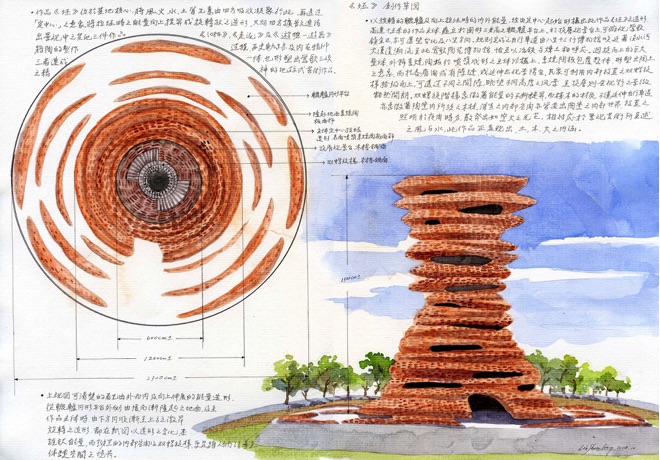
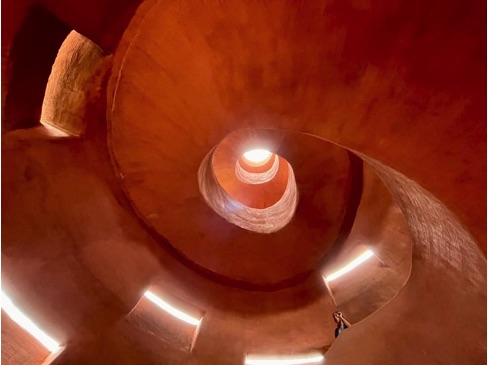
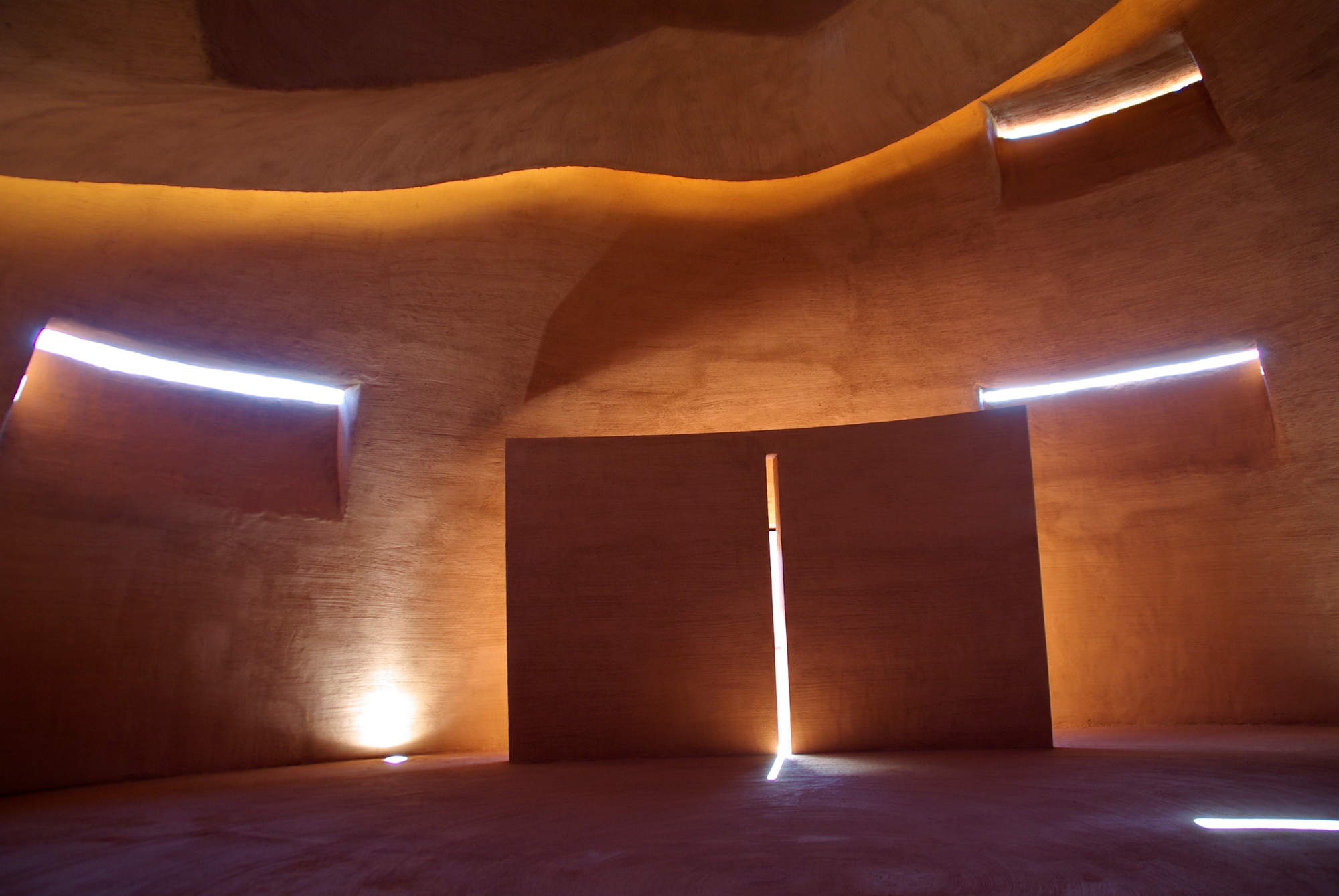
Upon arrival I had noticed a fascinating adobe-colored tower on the grasslands surrounding the museum. I had had a quick look and listen but was most eager to explore it more indepth and invited my singers to join me after the concert. It turned out to be a splendid work of art, of architecture, or something in between. A sonorous temple graced with the most intricate light patterns I have ever seen on adobe-like structures (earthy hues have been my favorite at least since the beginning of this millennium). These shifting light rays are the result of several horizontal slits placed in irregular intervals along the body of the tower. We stood in awe, listened in awe, walked around in awe. Notwithstanding the presence of a few other visitors, we began quite naturally to emit our first tones. The resulting resonance was as soft and layered as the plastered walls, which had uneven, undulating surfaces that still showed the signs of paintbrushes. Our voices bounced off the walls in a pleasant, smooth way, not as crystal-like and pure as glass-covered structures, but with a coarser grain of sound.


Walking around, you would hear your own sound, or someone else’s suddenly shifting from one direction to a totally different direction. Or even enveloping you from all sides. It is a familiar but surreal phenomenon in many round, resonant spaces with the wall or ceiling curving inward. In certain spots someone who is standing opposite you talking or singing, sounds as if she is behind you.

I knew already during the first glimpse: this is the kind of place I have been looking for in Taiwan for more than ten years. As time passed I knew I had to temper my expectations. There were occasional resonant places, like the one I had stept into earlier this year, but those were usually not very suitable for performing, or not very pleasant to be in, or too expensive or too inaccessible. This new tower was in fact many times better than what I had ever expected. It was not just a sonic treasure, which I somehow usually imagined to be a white or grey space, or otherwise colourless. This was the most intimate, warm, lush light I had seen in years, if I had ever been in such a building at all. It simply seemed to breath by itself already.

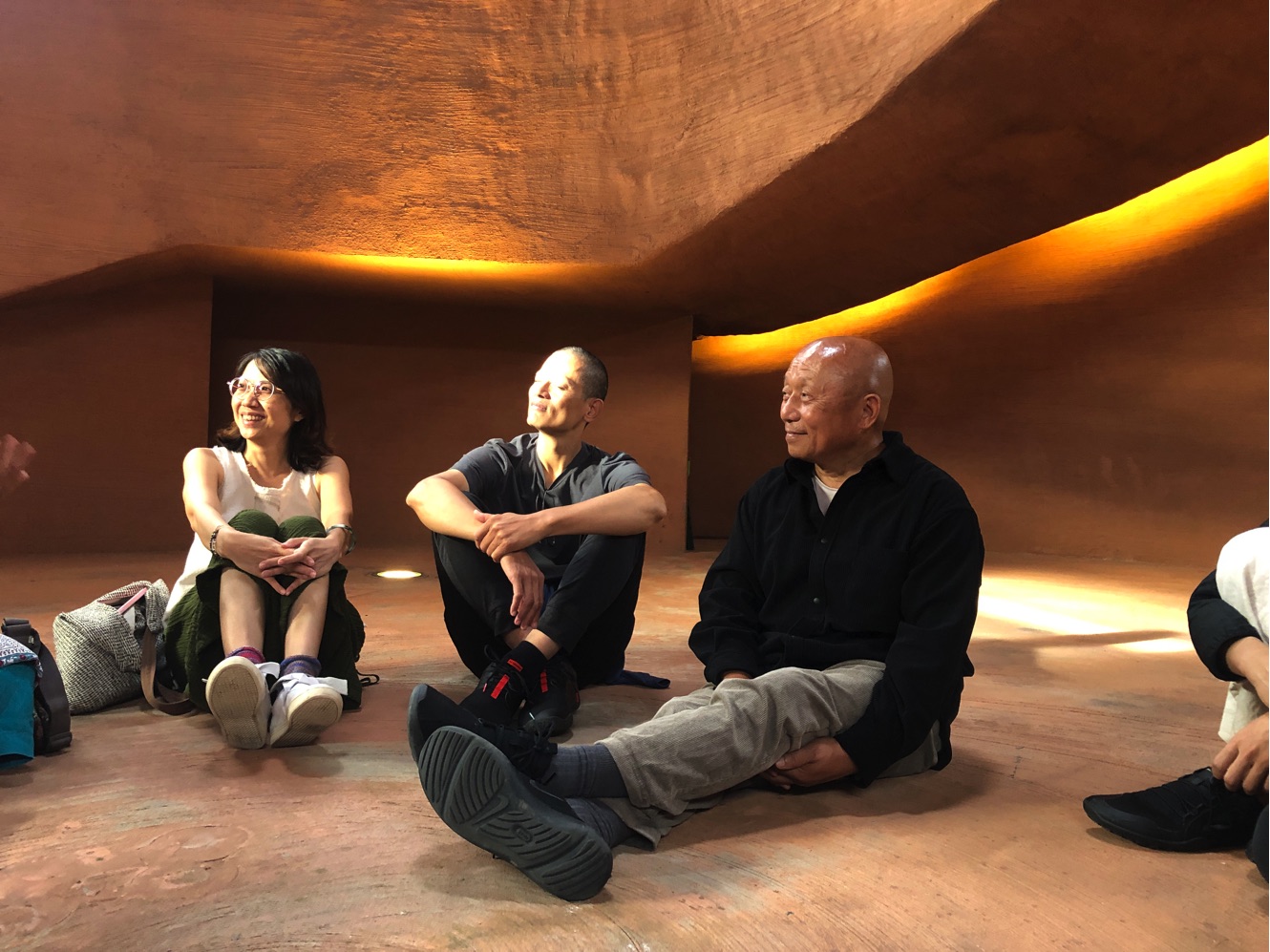
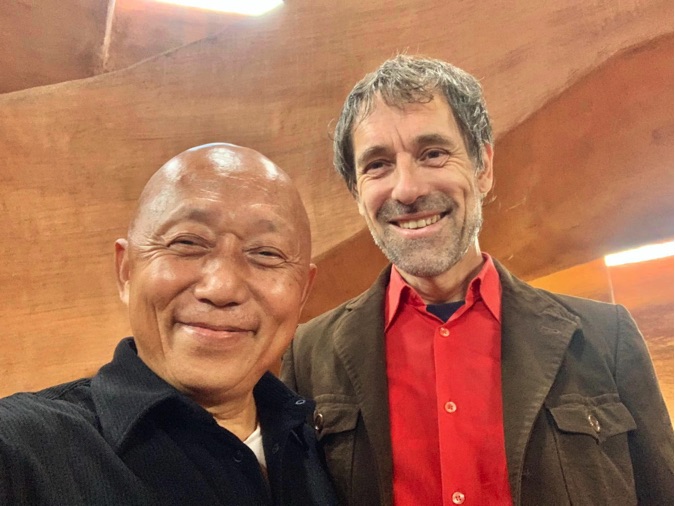
We did some more research and learnt to our astonishment that this treasure was not part of the newly opened museum, but it had been standing there for 14 years. Some months later, Sunny noticed an announcement of an event in the tower with the architect, the next day: the day when IUooUI rehearses! I quickly jotted down a simple idea we could sing and shared it. We rehearsed it in the morning and set out to the museum. Exactly at the designated time, the architect appeared from a hidden door, as if coming from nowhere. In the center of the spiraling form he began to talk casually about the history of his tower, its symbolism, problems he had overcome, adaptations to the original idea and more. The place came alive even stronger with these stories. Pei, as the tower is called, really was opened 14 years ago and virtually nothing happened with it, to the chagrin of the architect, Lin Shuen Long.

During the Q&A we introduced ourselves and asked if we could sing a piece to honour the architect and his creation. We spread out and sang Pi:Ecce (I thought the name of the tower was Pi, not Pei). I then started an improvised piece which IUooUI completed beautifully with several solo parts. The architect was enthusiastic about our musical performances and told me something that moved me to the core: “this tower has been waiting for you for fourteen years”.


This place is a treasure, a multi-faceted gem of a building. Not designed with a 3-D program, but by bare hands with mud or clay, just like all that amazing pottery that the small town of Yingge is famous for. Some pottery shops in Yingge have a history of 500 years behind them, and took their technology with them from the mainland. There is no more suitable architectural tribute to the town then a tower designed like most pottery is designed: from an ancient, artisanal practise. We can be greatful to the decisions-makers who planned to build something like this, for chosing this architect, and for both parties to overcome all the hurdles necessary to complete the project. And what is 14 years in the light of generations of pottery making? Now let’s hope steps are taken soon to celebrate the incredible potential of this tower, both visually and acoustically!

Our more or less failed outdoor performance on that early Summer day happened for a good reason. I feel blessed that we ran into something so special.

HYPNOKYO

HYPNOKYO

or how to combine the art of writing meaningful non-sense texts with hypnosis methods


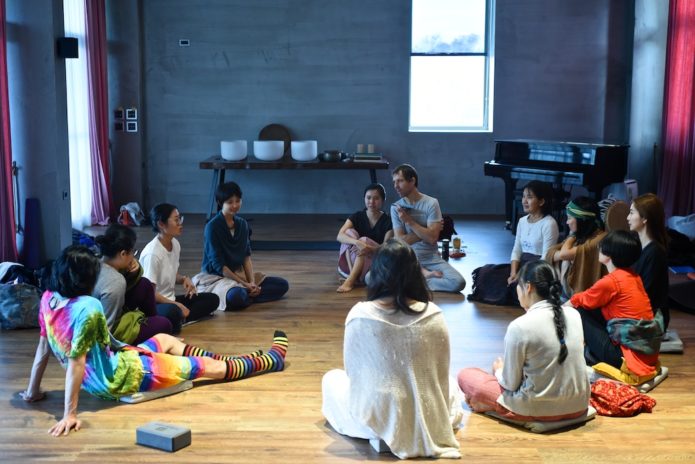
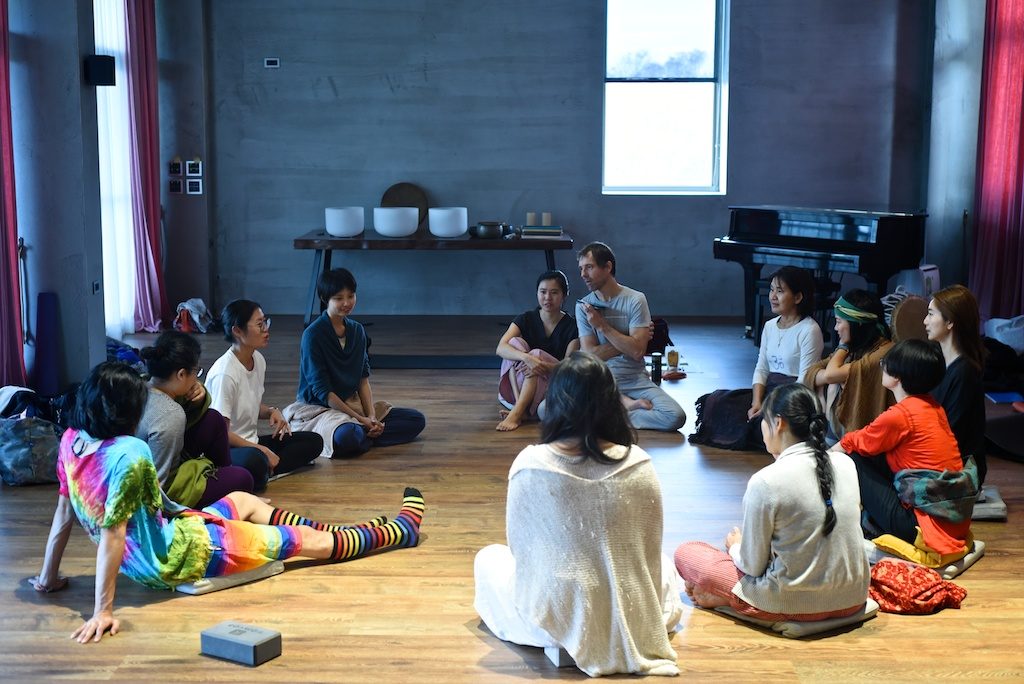
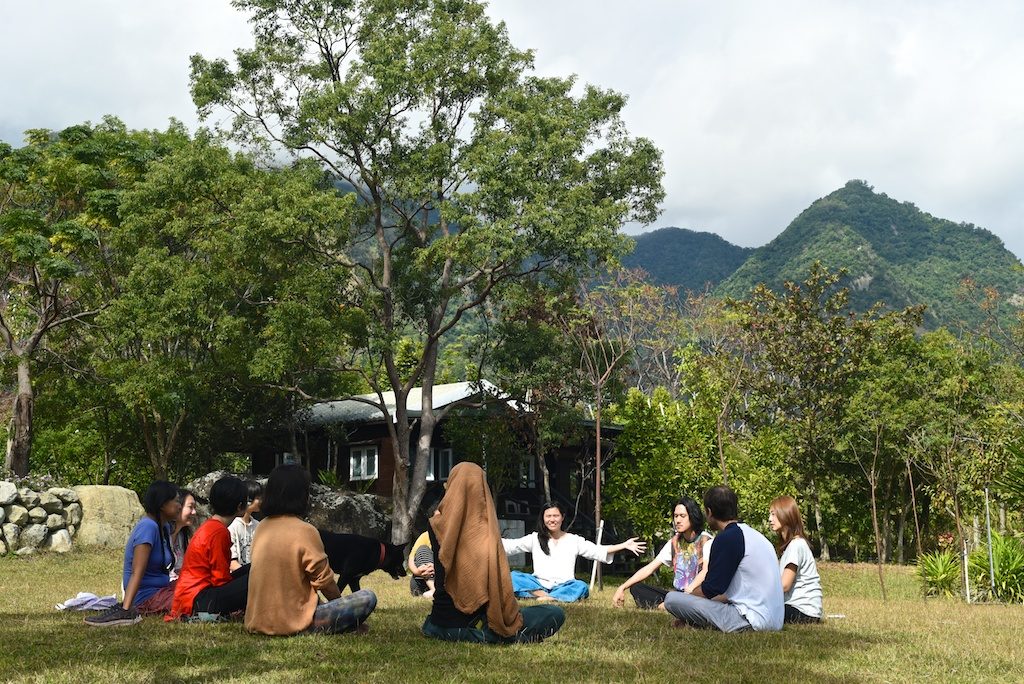
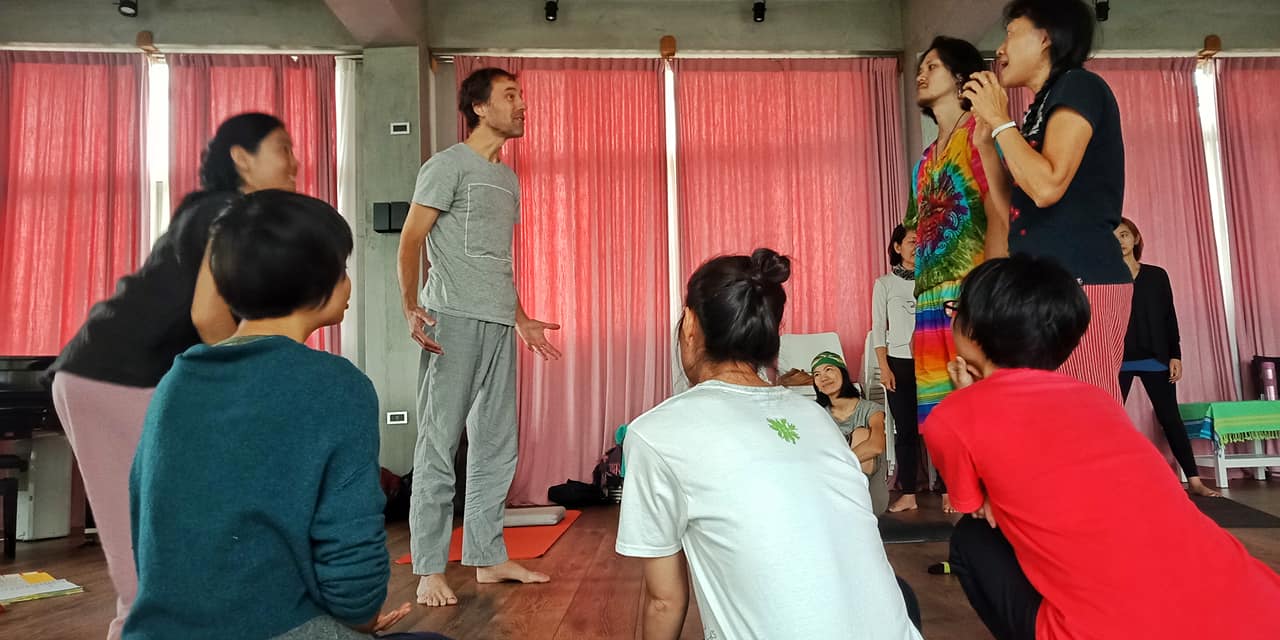
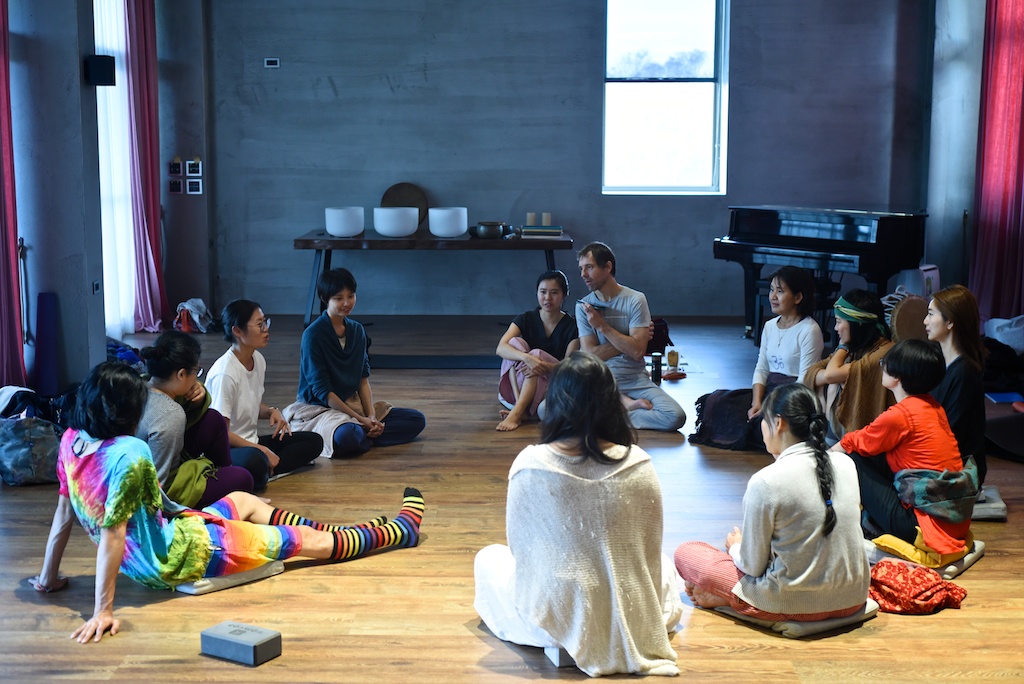
Next week I am teaching a group of hypnosis students in Taipei. They are the students of a man who goes by the nickname of La Mian (ramen, or Japanese thick noodles) who is specialized in hypnosis and teaches and applies it in a wide range of methods. He came to my workshop Ocean of Voices recently, a 3-day exploration of the richness of musical traditions around the world (focusing on the voice). We had several amazing sessions where everyone went through his or her own transformations while singing, chanting, drumming, playing, or just listening to everyone else. Paths to change the body, change the mind and empower your creative imagination through the voice: a dynamic key or bridge that sits in between the body and mind, working its logical and illogical ways in both directions.


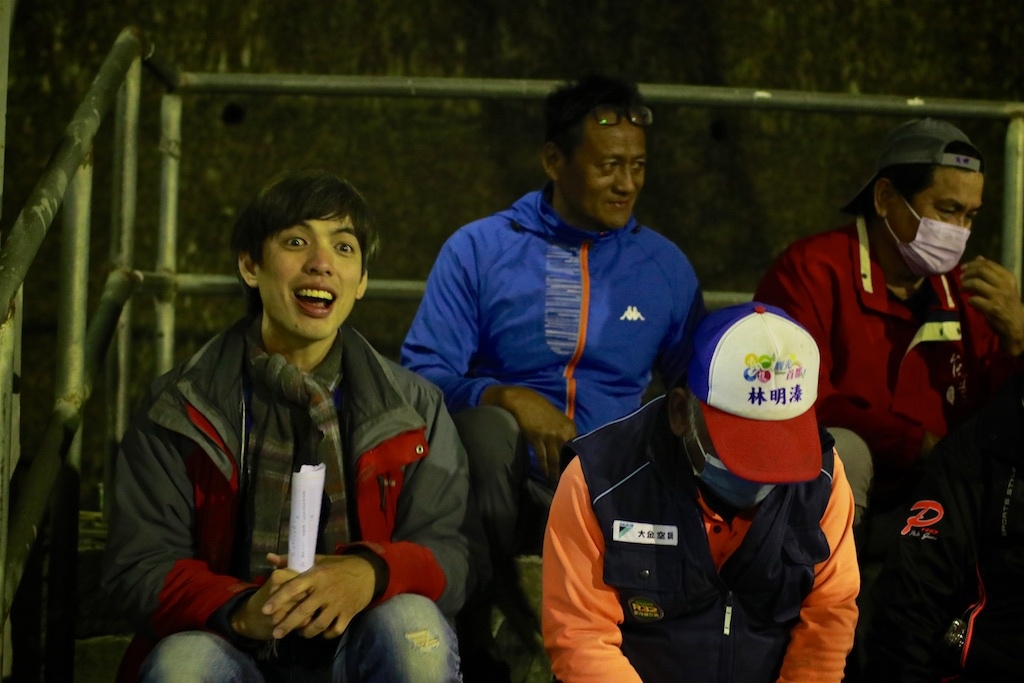
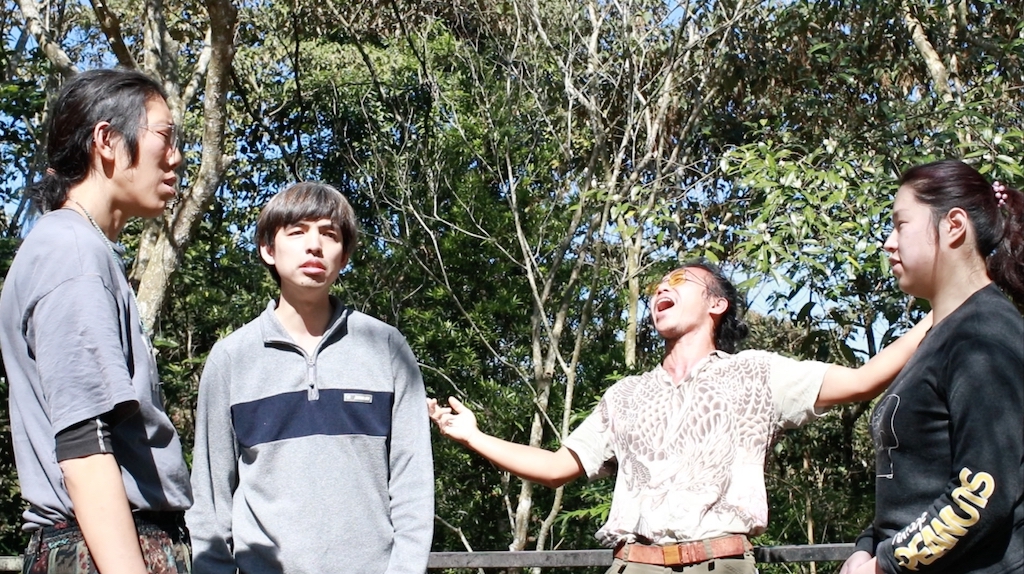
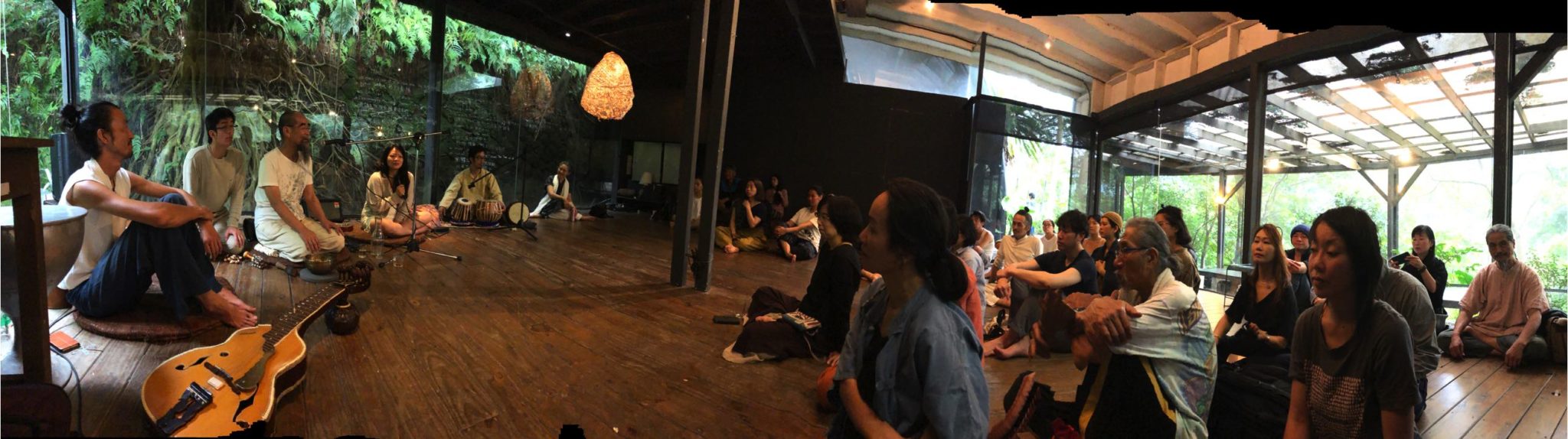
Photos taken during the Oceaen of Voices of workshop in Nantou, Taiwan. Above, La Mian with the Bunun people from XinYi. Below, session during the workshop.


You could call the logical part the verbal: the voice as speech, as reason and gossip.

You could call the illogical part transverbal: the voice as sound and music, as noise and non-sense.


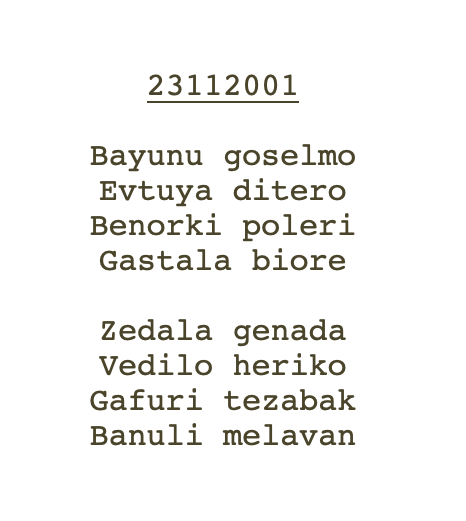
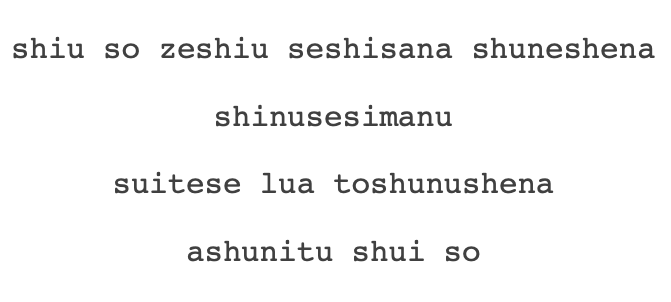
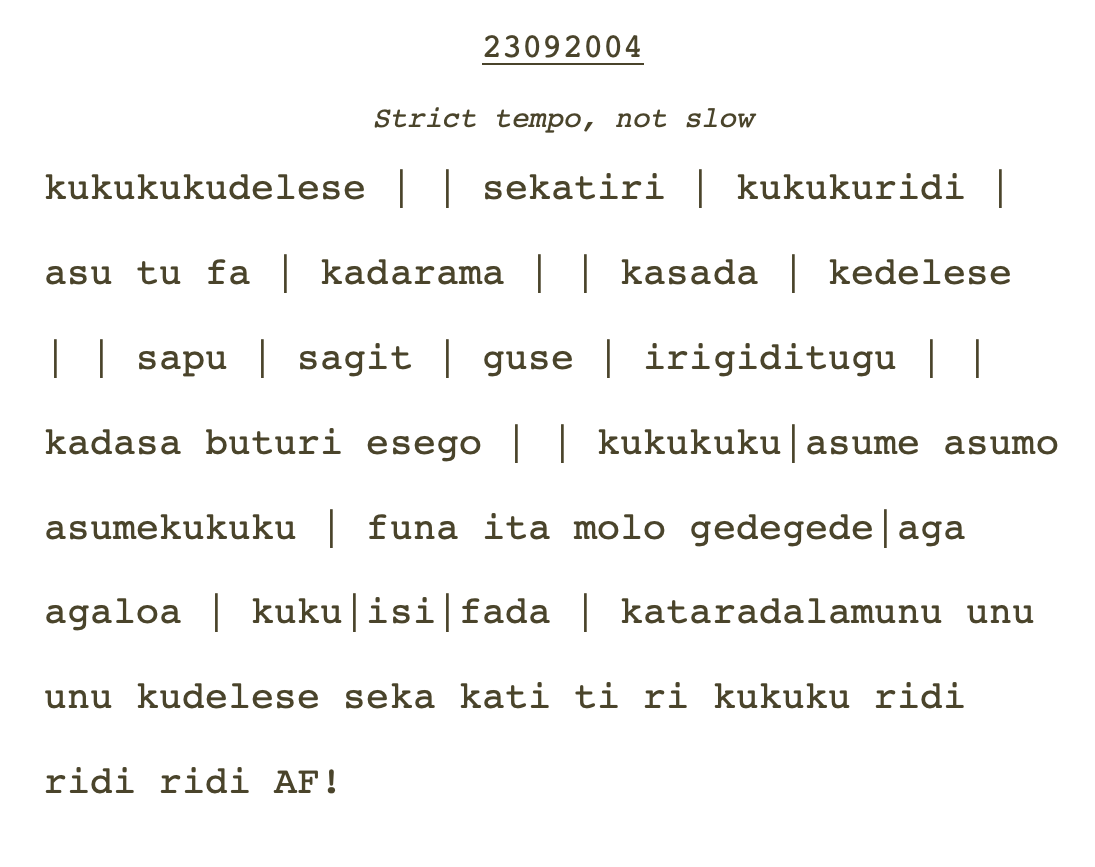
Transverbal is a term Michael Vetter coined to group together, and give purpose to, his vast corpus of creative work, in music, in visual arts, in writing. It led, among other things, to his writing of okyo’s, which is Japanese for sutras. His sutras were not Buddhist texts, but used the sounds of the Japanese language as a template from which he created ‘texts’ without meaning. It was not merely a capricious thing, a joke, or an anti-religious sentiment. Vetter was serious about it. He had practised chanting and reciting actual sutras for year after year during his 13 year stay in Japan, going about the streets begging for alms or performing ceremonial. But, in a true Zen vein, he would not eschew the occasional humorous twist in his own okyos either.


I got to know Michael Vetter’s okyos in the mid 1990s and was impressed with their form and sound and Vetter’s precise reasoning for why he created them. Later I began to write my own occasional okyos. Last year I decided to write an okyo every day for one year, to commemorate Michael’s birth (in 1943) and passing (in 2013), now eighty and ten years ago. I shape these okyos, naturally, but they also shape me, and invite me or teach me to push for new ideas about sound, language and symbol. Here is one example which I will take to the Hypnokyo workshop:


Here is another one
And here is one that you can listen to in the video, below:


So next week my okyos are going to be tested by students of hypnosis. They learn a range of sounding techniques that could enhance or expand their hypnosis practise. I am really looking forward to see what they will do with it, and hope I can be their guinea pig to test the efficacy of the okyos. Not long ago, hypnosis was regarded as somewhat occult, esoteric and strange. In recent years it has become more widely accepted and it began to loose its strangeness in public opinion. The approach now seems to be more practical: it is yet another way for us – complicated, sensitive and often limited and hyperrational human beings – to understand the mysteries of life and self, and to make sense of the world around us in new, more attuned ways.


You can enjoy listening to one of my okyos in this video (thanks to Sky for editing).

And I will read this week’s episode of one of my favorite newsletters, which happens to be devoted to clinical hypnosis.

First Voice Yoga Retreat (full report)

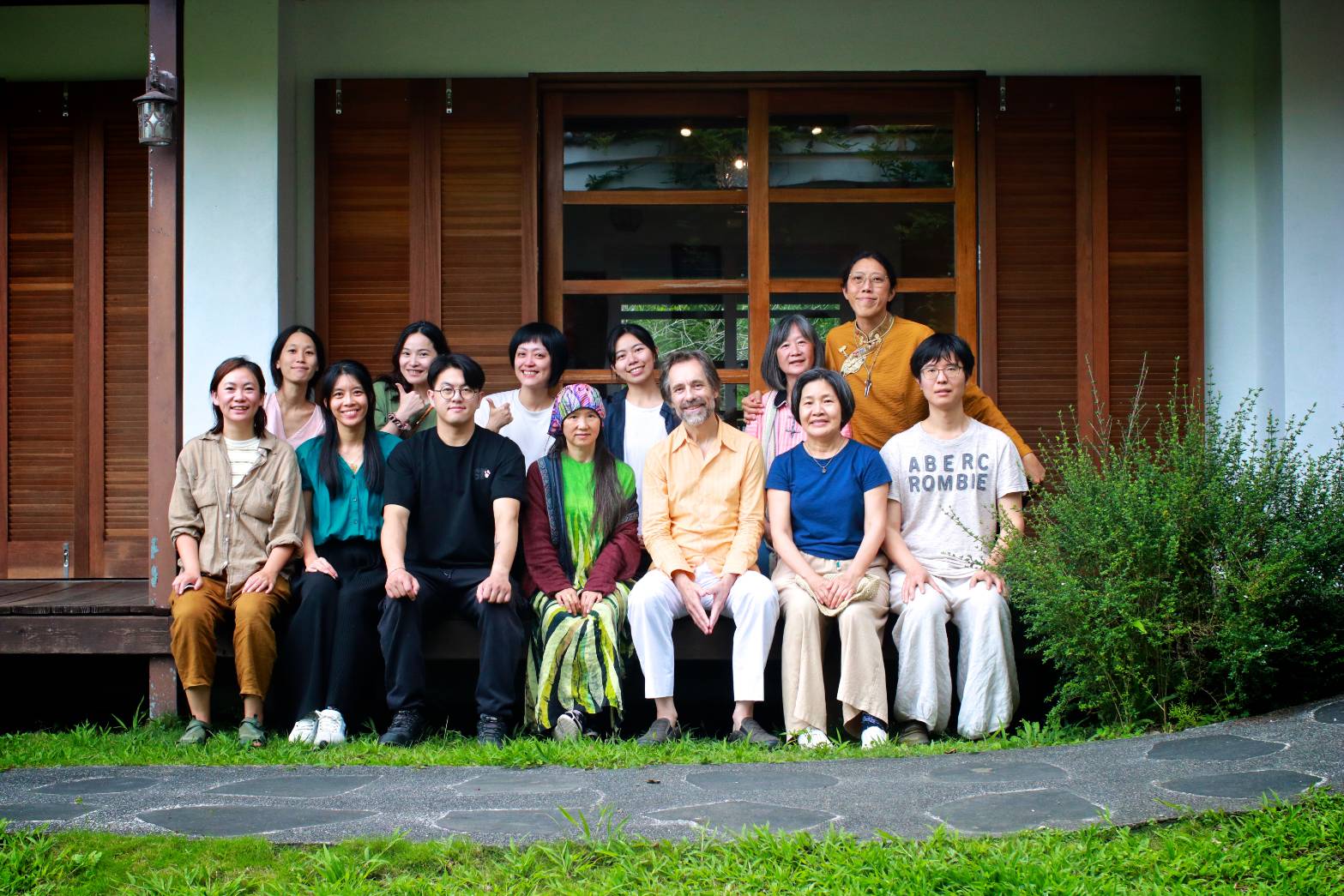
At the end of 2019, in fact around the Winter Solstice on December 21, we did the first Voice Yoga Retreat here in Taiwan. A wonderful recollection of the best stuff I have done during my 7 seven years of weekly Voice Yoga classes. It was beyond expectation: fantastic weather, great location, wonderful students, and a great three-person-strong core team (Sunny Chen, Jackal Mei, me) to take care of everything.


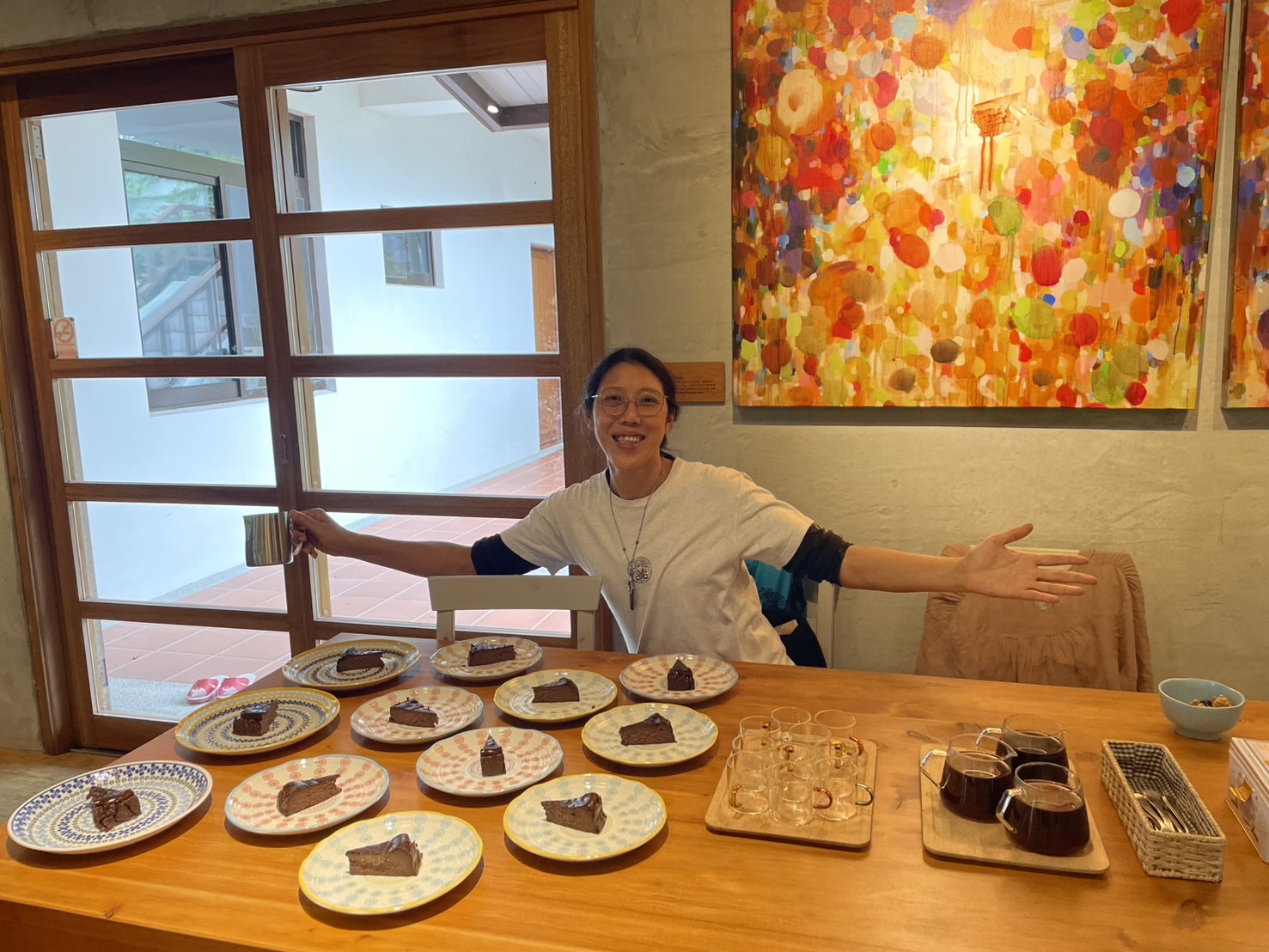
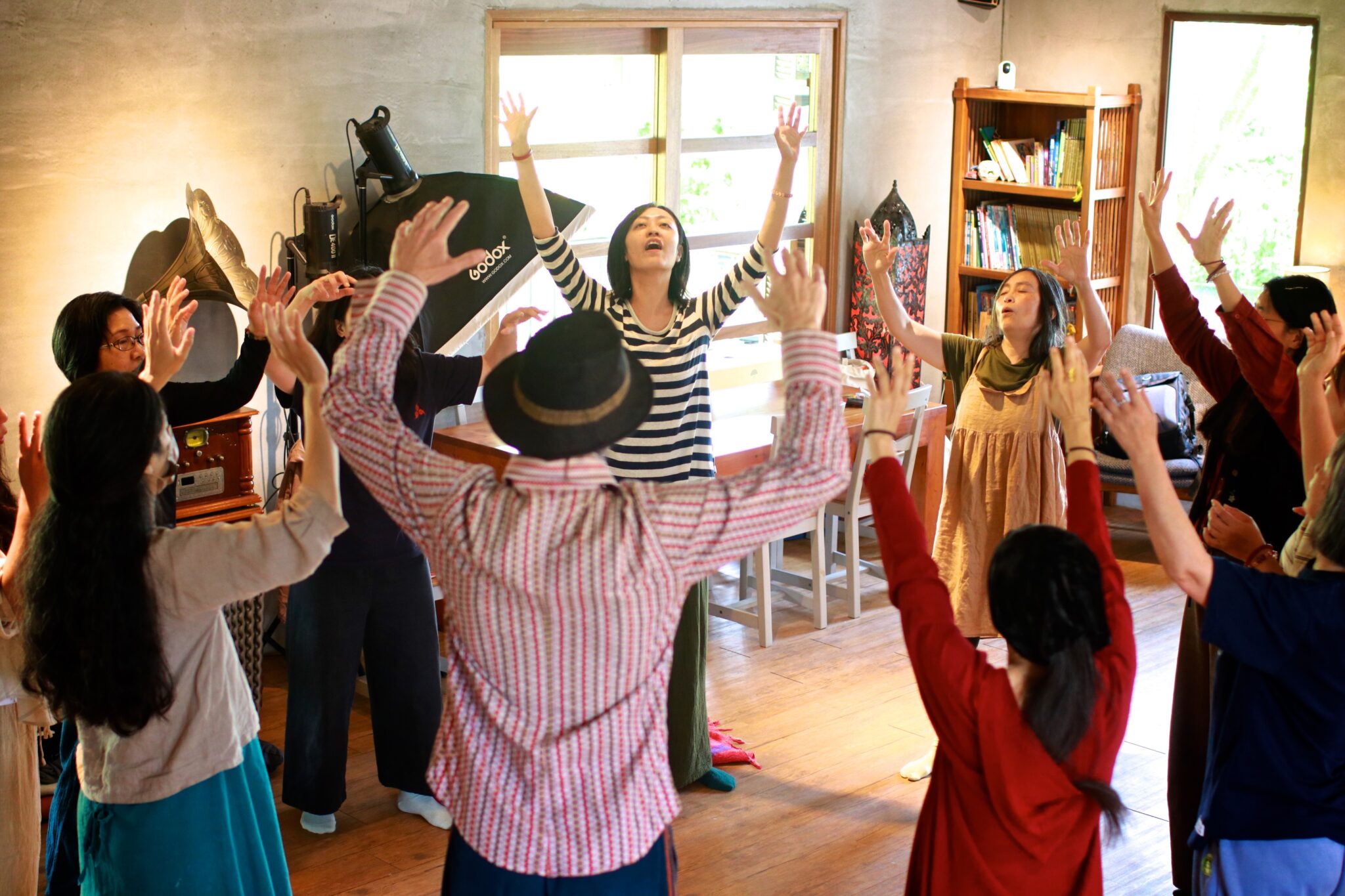
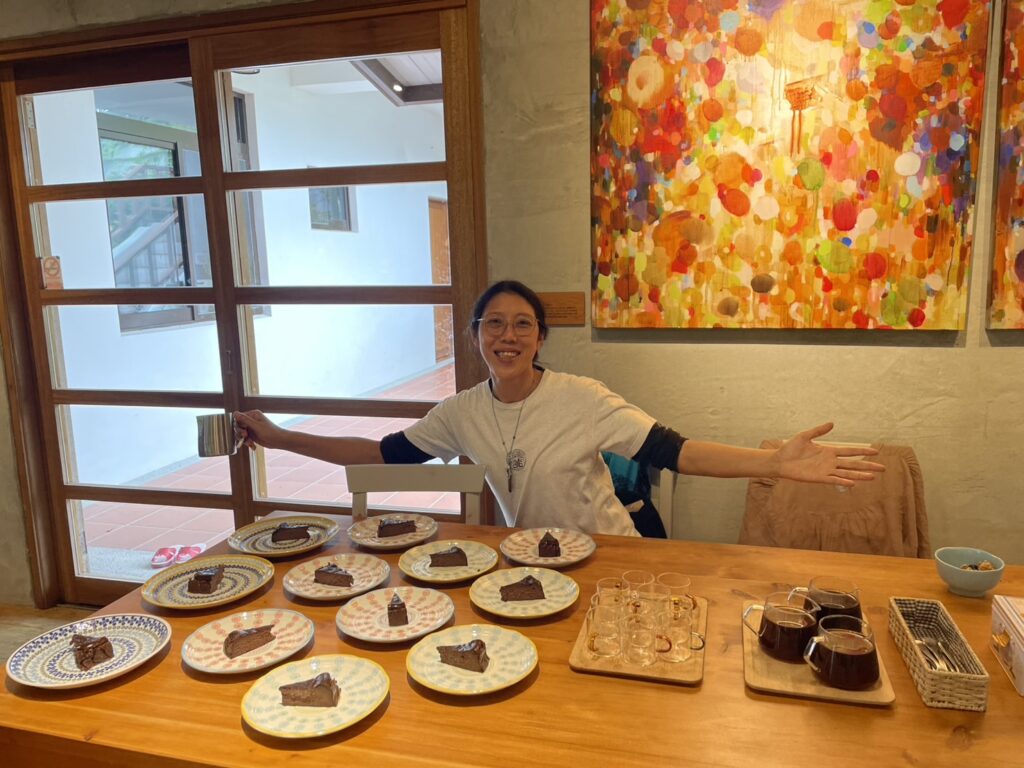
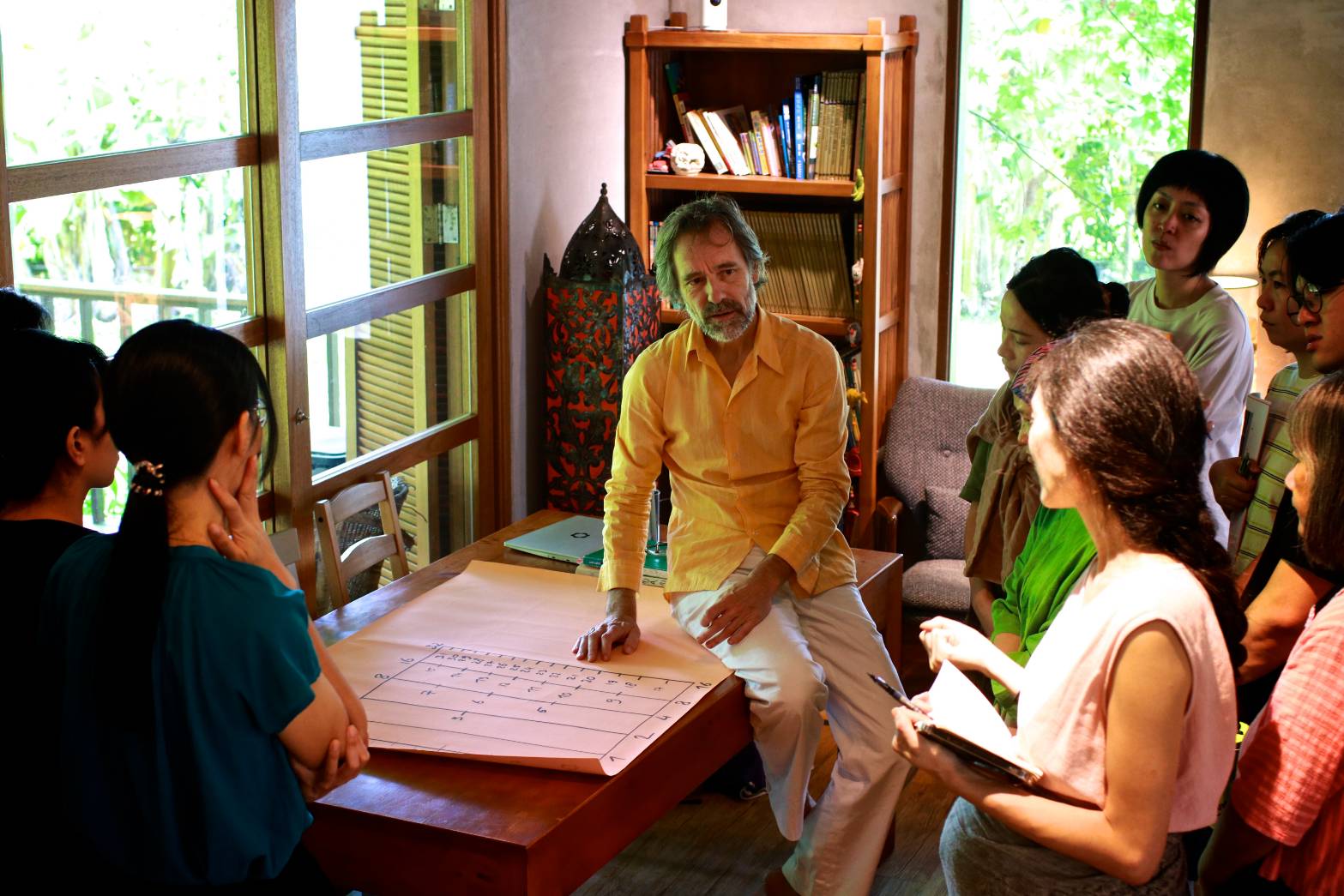
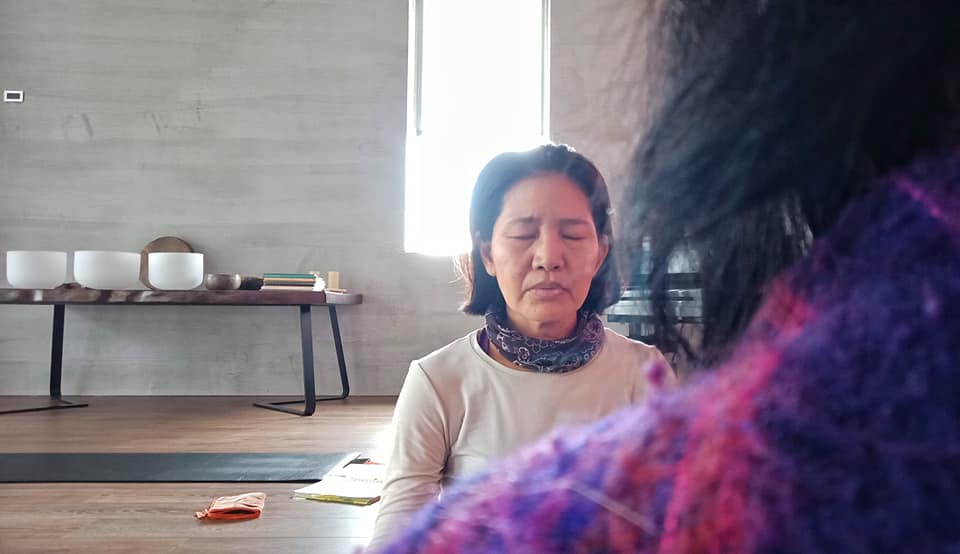
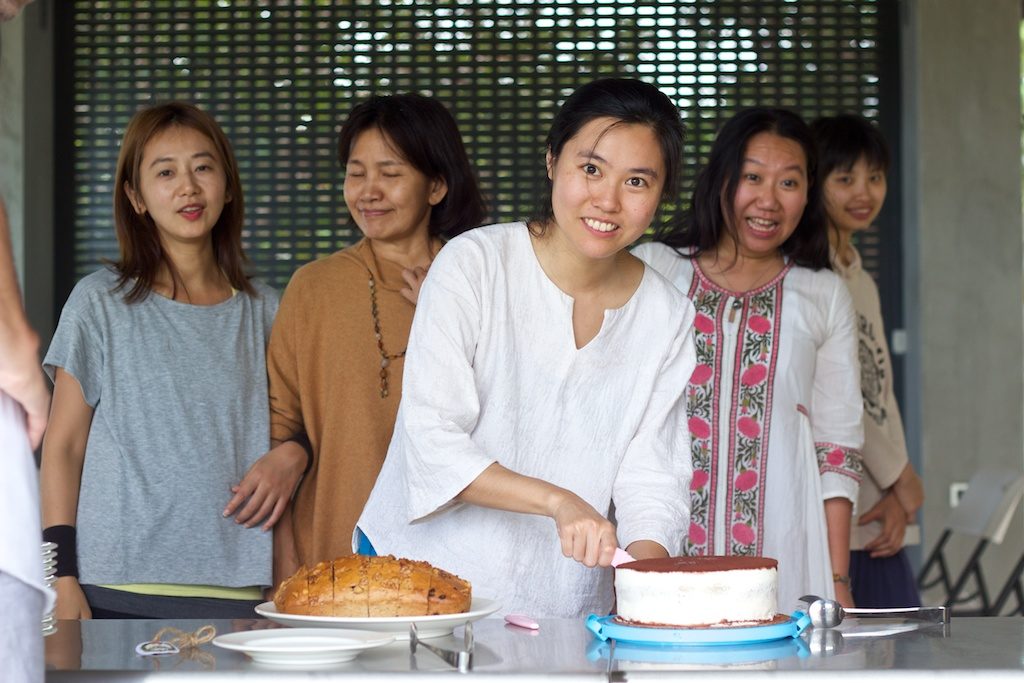
Most of all, we all experienced a nice flow between yogic and other exercises, sound and body improvisations, eating cakes and drinking Jackal’s homebrewn coffee, meditating, listening, chanting, learning about my methods and ‘vision.’ People came from all over the place and all walks of life, and most were new to Voice Yoga.

One student, Guang Guang, wrote an excellent report in Chinese about everything we did, in Chinese. I reproduce it here, with an autotranslation at the bottom of this page. Jackal Mei made some great photos, and there’s a couple of myself too. Many thanks to Guang Guang and Jackal for the words and images, and to Sunny !

We’ll do another Voice Yoga Retreat later this year on the beautiful, relaxed East Coast of Taiwan, where the pace is slow, weather seems to be nearly always good, birds sing loudly and the ocean is never far away. Get on the maillinglist for updates.


/聲音瑜伽

因為身旁總是很多優秀的朋友,然後串成一條路徑,一開始是葉子跟我分享聲音,讓我在心裡種下了種子…
於是最近去體驗了一場聲音瑜伽,
授課的老師是教授泛音的馬克
我很喜歡他無私有愛的分享
且關照及感受著每一個我們
當第一堂課說
在這所發出的聲音都是當下要發生的
沒有好壞對錯,每個音都是對的…
讓沒有音感的我感到自在安心
第一個晚上
馬克很自然的就將大家的聲音一起融合在空間裡,讓彼此陌生的夥伴,很快的流動起來,只是短短的兩小時,我全身的細胞都在跳舞

/呼吸練習
在這個練習裡有很多要去感覺的東西,
我也在這個練習去練習感覺
呼吸的快慢,流向哪裡,擴張或收縮…
從沒思考這麼自然發生的事,
但最近這兩次的課程都在提醒著這件事,也就是當下


/母音三角形
很喜歡玩母音三角形
但在這裡面會發現自己的氣很短,
也會想配合其他人
在完美與協調之間理出自己的節奏
呼~吸~
烏~啊~一

/聲音的海洋
隨著模仿到自然而然的發聲,
讓自己的聲音丟進海洋裡
腦海會一直出現森林,池塘,水窪,沼澤,穹蒼,萬物,大地之聲
喜歡靜容分享的,她感覺身體自己發亮的地方想出聲,於是就讓那個聲音自己出來…
好有覺察的身體,我還在練習的路上


/深度聆聽
在戶外一起發聲,
聆聽空間裡擁有的音,跟隨
聆聽沒有的音,創造
在一來一往之間
做成了一首當代音樂
很喜歡這樣融合的旋律

/驚喜
圍一個圈,跟著馬克發出幾個音,
高高低低,閉上眼睛
幾個音沒有規則的發聲練習
然後由慢漸快,
馬克將桑尼推進圈內
在人圈中閉上眼享受旋律
馬克這時唱的越來越快
越來越具體
開始發現事有蹊蹺
打開眼睛望向馬克
他對我笑著示意
宛珍也早領略到了
沒錯,真的是我想的那樣
學員一個接一個笑開
桑尼終於意識到這一趴的別出心裁
流著淚接受大家獻唱
這一刻好感動
好美~好美~


/冬至熄燈
圍著蠟燭一起度過寧靜的夜,閉上眼四週充滿星星的感覺,那些包圍我們的自然之聲,好像墜落在草叢中發亮的星體,發亮的全是萬物的聲音

/薩滿儀式
同學藍師那一夜為大家進行薩滿旅程
第一次體驗儀式,薩滿鼓震出我全身電流,在守護靈的守護之下去感覺這個過程,叢林,速度,黑暗的旋轉,之後竄出來的蛇,最後讓自己慢慢抽離,見到一頭鹿而停止
宛珍被薩滿鼓招喚,以奔跑來流動
阿駱也隨之起舞,整個場域或坐或動
各有各的世界,奇幻世界~


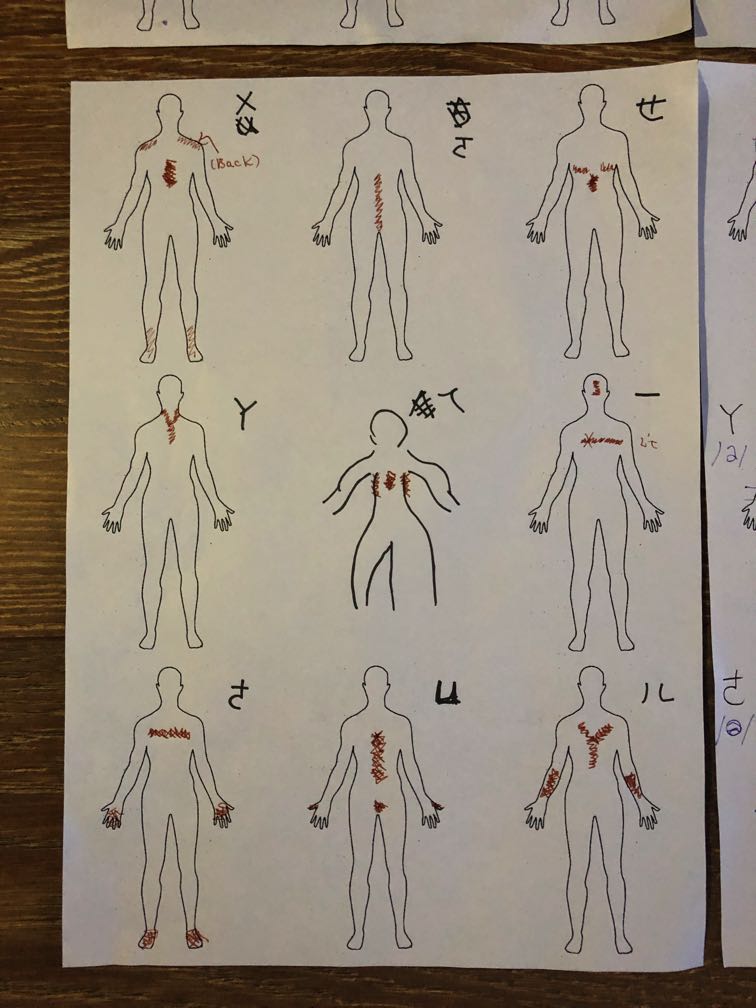
/母音九宮格
深度覺察自己的聲音所在
共振的身體裡,聲音去到了哪裡?
馬克說
身體跟聲音會有共振的地方

意念也可以讓聲音去你想要他要去的地方
最後每個人的聲音震動,
都有不同的發現
這讓我覺得聲音太好玩了
每個人的身體感受都如此獨特

/呼吸節奏
呼吸長短的差異,
也能是一首悠揚的曲子
這個章節我也很享受
每個樂器的總和
就是一篇生命的樂章

/泛音獨唱
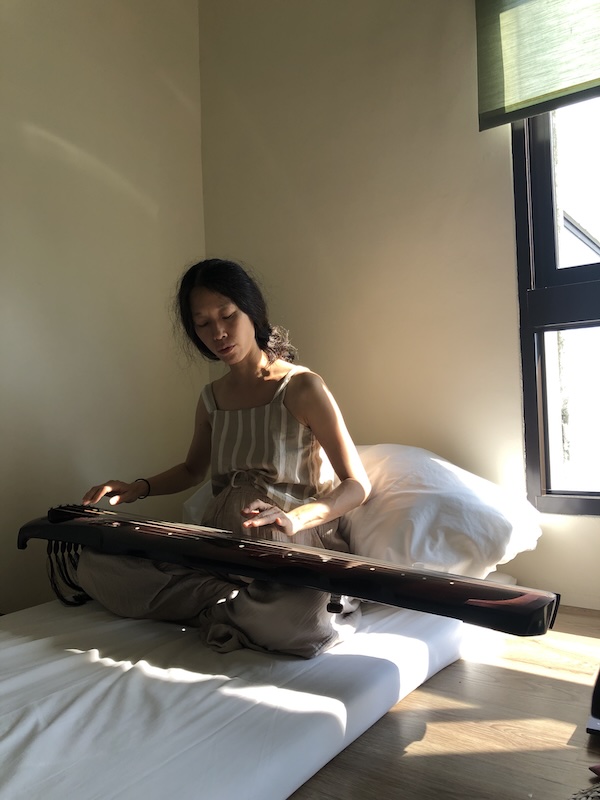
某個下午,馬克為大家唱歌
坐著,躺著自由
本來是陰天的午後
在一段泛音的旋律不斷繚繞時
我聽見的都是天使的聲音
此時
窗外金色陽光透進粉色的窗簾裡
天使光溫柔的灑在馬克身上發亮
那一個畫面我來不及拍照
但映在我腦海
我全身細胞都在舞蹈

/八部合音
每個人的聲音都好獨特好聽
曙芳的聲音裡有老靈魂的歌唱
想起她的守護靈老奶奶還有愛
輪到發踢卡時
是花神在唱歌吧!!!
清晰亮麗好感動
輪到我的時候,腦袋原本想運作
後來告訴自己算了
讓聲音是什麼就是什麼
雖然知道我聲音都沒到要去的地方
我的聲音之神都在幫我找音階
去了好幾個半音
後來才去到該去的地方
我也是可以說
那是我精準的控制我的半音啦(撥瀏海~


經過三天的玩耍
很鬆很慢也很奇妙的身體各種痠
沒意料只是出聲音而已
身體就有各種拉扯
但記得馨勻說的很好
(可我忘記她具體說什麼了XD)
但她說完我就一陣恍然
拉拉也分享了馬克在機械噪音裡
找出它規律的節奏
讓噪音不只是噪音


三天收穫很多,
也許我是還在餘震之中再慢慢感受
唯一最明白自己的部份
大概就是我還沒那麼放鬆自己吧
畢竟聲音對我來說太陌生
但經過這些過程
更能丟掉小時候對聲音的既定印象
聲音的顏色如此寬廣無限
告訴自己,就是玩,去玩吧!

聲音瑜伽,是瑜伽也是即興
祂不止是聲音,
是能讓心、靈與身體的合一

謝謝Yu Chih Lin帶我池上玩
謝謝Xiaoying Ye聲音的連結
謝謝Jackal Mei意志的邀約XD
謝謝Mark Van Tongeren
帶領著經驗自己的不可思議
讓我在這場聲音之旅中如此盡興…

#課後筆記
#聲音瑜伽
#樂吉昇天
#已被圈粉
#很好玩還要再玩


Autotranslation of the Chinese text.


/ sound yoga

Because there are always many good friends around me, then put into a path. at the beginning, the leaves share the voice with me, and let me plant seeds in my heart…
So recently, I went to experience a sound yoga,
The teacher who taught is the mark of the pan-Yin.
I love his selfless and loving sharing
And take care and feel every one of us
When the first class said
The voices made here are all about the moment.
There is no bad right or wrong, every voice is right…
Let me feel free to feel at ease
First night
Mark is very natural to mix everyone’s voices together in space, let each other’s strange partner, quickly flowing, just two hours, my whole body is dancing.

/ breathing practice
A lot of things to feel in this practice,
I am also practicing to practice the feeling
Where to breathe, where to go, expand or shrink…
Never thought about what happened so naturally,
But these two recent courses are reminding this thing, that is the moment.

/ vowel triangle
Love to play with the vowel triangle
But I will find myself very short in this,
Will also want to work with other people
Make your own rhythm between perfection and coordination
Oh ~ suck ~
Oh ~ Ah ~ one

/ the ocean of sound
With the imitation of a natural voice,
Let your voice be thrown into the ocean
The Forest, the pond, the water, the swamp, the swamp, the sky, everything, the sound of the earth.
Who likes to share quietly, she feels like she’s shiny, so let the voice come out on her own…
So conscious body, I’m still on my way to practice

/ deep listening
Voice together in the outdoors,
Listen to the sound of the space and follow
Listen to the sound of not, create
In the way.
Made a contemporary music
I love this fusion melody.

/ surprise
Surround a circle and make a few voices with Mark,
Close your eyes and close your eyes
A few sounds without rules
Then slowly,
Mark puts the nissan into the circle
Close your eyes in the circle and enjoy the melody
Mark is singing faster and faster
Getting more and more specific
Starting to find something wrong
Open your eyes and look at mark
He smiled at me
She has already learned it early.
Yes, it’s really what I thought
The students laugh at one after one.
Mulberry finally realized the chú le of this party
I am in tears to accept everyone’s singing
This moment is so touching
So beautiful ~ so beautiful ~

/ Winter Solstice Lights out
Surround the candles with a peaceful night, close your eyes with the feeling of stars, the sound of nature that surround us, like the stars that have fallen in the grass, the sound of everything.

/ sana ceremony
Classmate Blues on the night for you all the night
First experience ceremony, the sana drum burst out my whole body current, under the protection of the guardian spirit, I felt the process, the jungle, the speed, the dark spin, then the snake that came out, finally let myself slowly pull away, see one Deer stop
Lithuania was called by the drum of the drum to run
It also dance, the whole field, sitting or moving.
Every world, fantasy world ~

/ vowel
I am deeply aware of my voice.
Where did the sound go in the resonance body?
Mark said
Where the body and the sound will be resonance
But but
Ideas can also let the voice go where you want him to go
At the end everyone’s voice shakes,
All have different discoveries
This makes me think the voice is so funny
Everyone’s body feels so unique

/ breathing rhythm
The difference in the length of breathing,
Can also be a beautiful song
I’m enjoying this chapter too
The sum of each instrument
It’s a movement of life.

/ Pan-voice solo
One afternoon mark singing for everyone
Sitting and lying free
It was a cloudy afternoon.
While a pan-Tone Melody keeps on the these
All I hear is the voice of an angel
Right now
The Golden sunshine outside the window goes through the pink curtains
Angel Light gentle on mark
I didn’t have time to take pictures of that one
But in my mind
My whole body is dancing

/ eight sound
Everyone’s voice is so unique and nice
There is the singing of the old soul in the voice of the old soul
Thinking of her guardian spirit grandma and love
It’s my turn to kick the card.
Is the flower God singing!!!
Clear and beautiful, so touching
When it was my turn, my head wanted to work
Later I told myself to forget it
What makes the voice is what is
Even though I know my voice is not even where I’m going
My Voice God is helping me find the level
Went for a couple of semitone
I just went to the place where I should go.
I can say too
That’s my precision in control of my semitone (allocated ~

After three days of playing
Very Loose, slow and amazing body all kinds of sour
I didn’t expect it. It was just a voice.
The body has all kinds of pull
But remember that Xin Xin said very well
(but I forgot what she said XD)
But after she said, I just had a moment.
Lala also shared mark in mechanical noise
Find out the rhythm of its regular rhythm
Make noise not just noise

Harvest a lot in three days,
Maybe I’m still in the aftershocks and feel slowly
The only part that knows what I know most
Probably I’m not that relaxing myself yet
The voice is too strange to me after all
But after these process
It’s better to lose the established impression of the voice in my childhood
The Color of the voice is so wide and infinite
Tell yourself, it’s just to play, go play!

Sound Yoga is yoga and impromptu
He is more than a voice,
Is the one that makes the heart, spirit and body

Thank you Yu Chih Lin for taking me on the pool
Thank you Xiaoying Ye for the link
Thank you Jackal Mei for the invitation XD
Thanks Mark Van Tongeren
Leading the experience of my experience
Had me so much fun on this sound tour…


2019 in pix, videos and some stories

NEW WORKSHOP: RHYTHMS & CYCLES


Video impresssion: Colours Rhythms & Cycles


NEW CLASS: SHRUTI NIGHTS

I began a new class: Shruti Nights, and ran No. I-VIII throughout the year, each with a different theme.

Listen to a nice duet I did with Sunny, translator, co-producer of many of my events, and talented singing student.


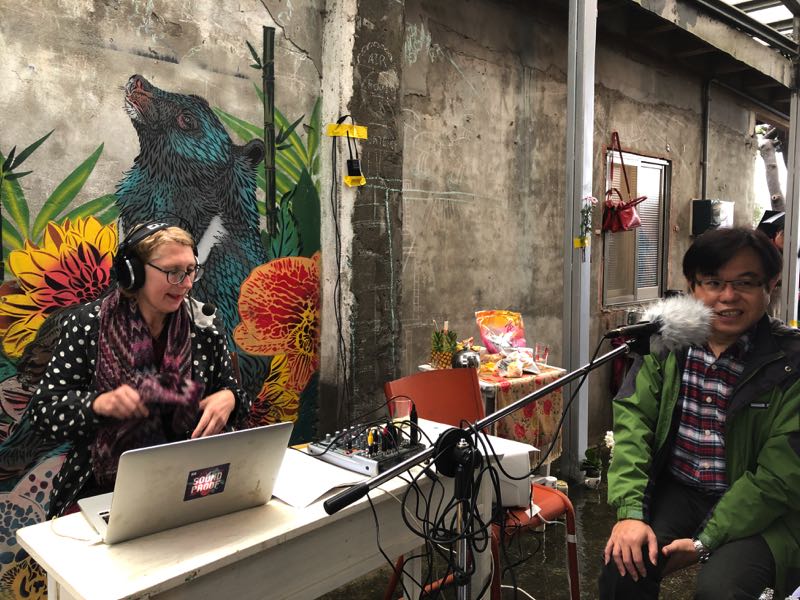
RADIOGARDEN BROADCAST

MUSHIMARU’s PHYSICAL POETS

I joined a Butoh workshop and performance by the huge family of Butoh dancer Mushimaru Fujieda and his regular students and collaborators, twenty in total. They came flying in to Taiwan from Japan, Hong Kong and other places, paying from their own pockets. Very dedicated and truly inspiring!

With Hiroyuki Matsuhisa (moham-veena), Shree Katsura (voice and suwarmandar), Mikio Kawasaki (photographer); Sogyu Fukumura, a very famous monk who quit Buddhism decades ago and became activist; Himeko Narumi, whom I visited in her bar in Kyoto a few weeks later; Vinci Mok from Hong Kong, not to mention lots of interesting old and new friends from Taiwan. Our performance UNDER THE TREE OF LIFE  is on Youtube, beginning here with the entry of Mushimaru himself.

Recently many Taiwanese repaid the visit to Japan to collaborate with the same people, and one commented that the same performance turned into a rather hard-edged, noisy, radical performance, completely different from the soft version here in Taiwan. More true to the Butoh spirit, for sure, but I was still impressed with Mushimaru and all the kids who joined the event in Taiwan as very narural, innocent performers.

SANGPUY live IN TAIPEI

LUGANG and its AUTOMATED SONIC SURPRISES

Trip to Lugang, where we were deeply impressed by the Longshan Temple. It is not as famous as some other old temples in Lugang, which are more centra. But by far our favorite. Major reasons: little modernization, no entertainment, quite silent (no tourgroups with amplified guides). However, in both temples I encountered automated percussion devices. There was a procession leading to the very noisy and central Mazu Temple or Tian Hou Temple. I had to get away at some point because of the incredibly loud firecrackers, which I found unbearable, and our dog really got shocked from it.

There was no smoke anywhere, and it turned out the noise was produced by a firecracker machine, which you see at the end of this video.

A little later, in Lungshan Temple, I noticed a drum was playing all the time but I saw no one beating it. It turned out to be another automatic device producing percussive sounds, just like the firecracking machine.


PULI, CENTRAL TAIWAN: WORKSHOP

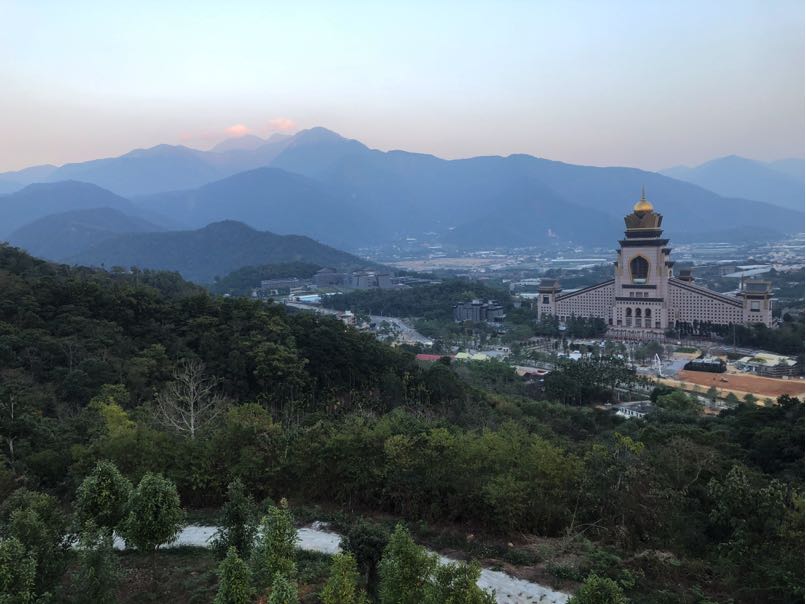
In April I was off to Puli, central Taiwan, for a workshop and another one with Canjune, exploring herbs and plants in the forests. From the roof of a cinnamon producer, a panorama of Puli’s iconic Chung Tai Chan (= Zen) Temple.


After the workshop, re-connect with a nun I got to know in 2004, with a fantastic voice: Guanzu Shi. For all these years she is studying the performance of a specific song in the Huayen Buddhist tradition, for which the way to pronounce many syllables is not exactly known.

SAINKHO and KAZHUHISA ICHIHASHI in JAPAN

First trip to Japan. Too many impression so share, but here’s a few. Basically a family tour but, lucky me, I ran into Sainkho one or two days before she launched her new CD with Kazuhisa Uchihashi in Beijing. Great show together!


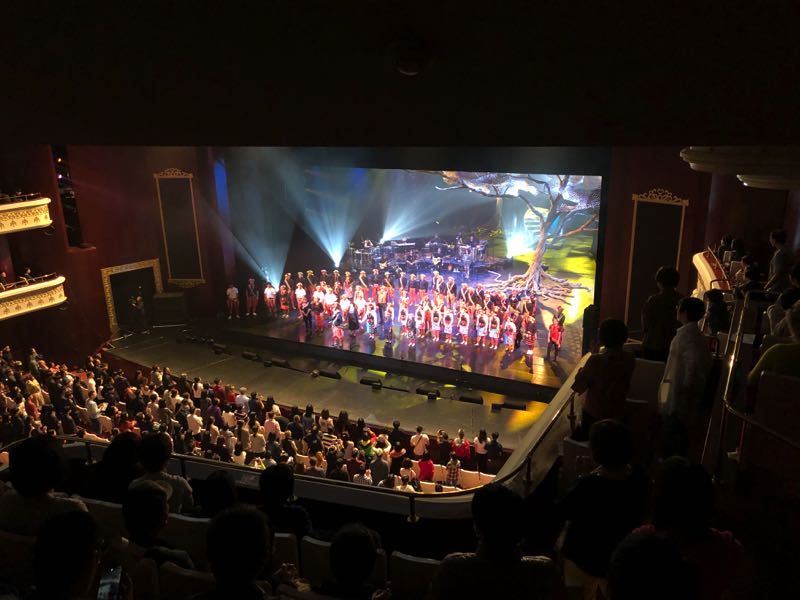
SANGPUY TURNING the NATIONAL THEATRE UPSIDE DOWN

https://tifa.npac-ntch.org/2019/en/music/sangpuy-in-concert/

What a lovely guy, and what a great show he pulled off. The most astounding thing was that after the ‘normal’ stage show, which already featured lots of people from his village Jrben, some girls began singing and dancing in the lobby. The men joined and sure enough hundreds of people began to join the line after a while. The whole thing lasted at least another 45 minutes, with the last part (not in this video) some very high-energy indigenous male dancers/singers promoting their upcoming hot dance show.


TAIWAN EASTCOAST TOUR

To Mud Studio in Yilan, Zhishan for workshop in Poco a Poco, my first houseconcert in Taiwan, near Hualien, and another concert in Hualien. See my special blogpost.

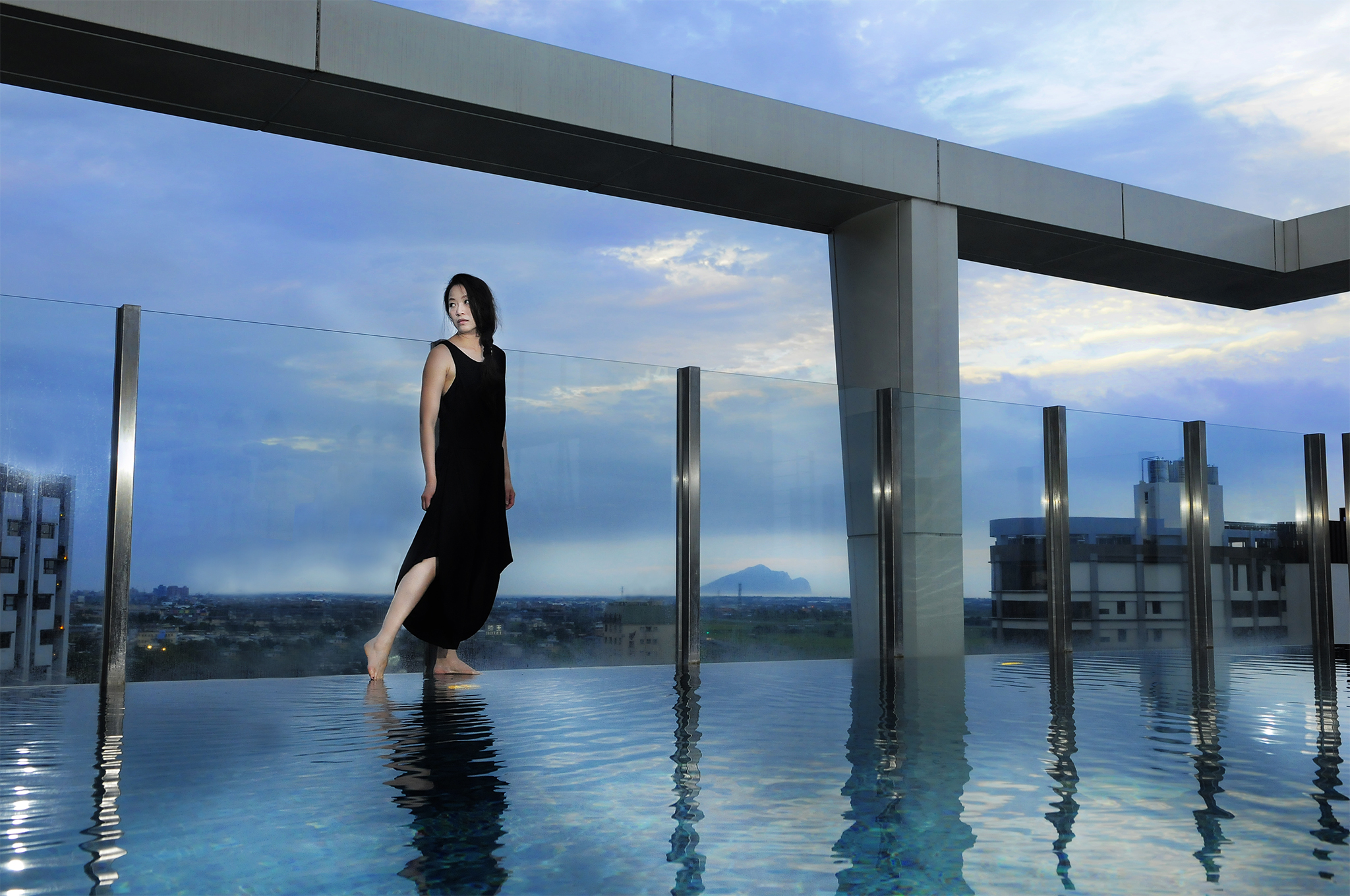
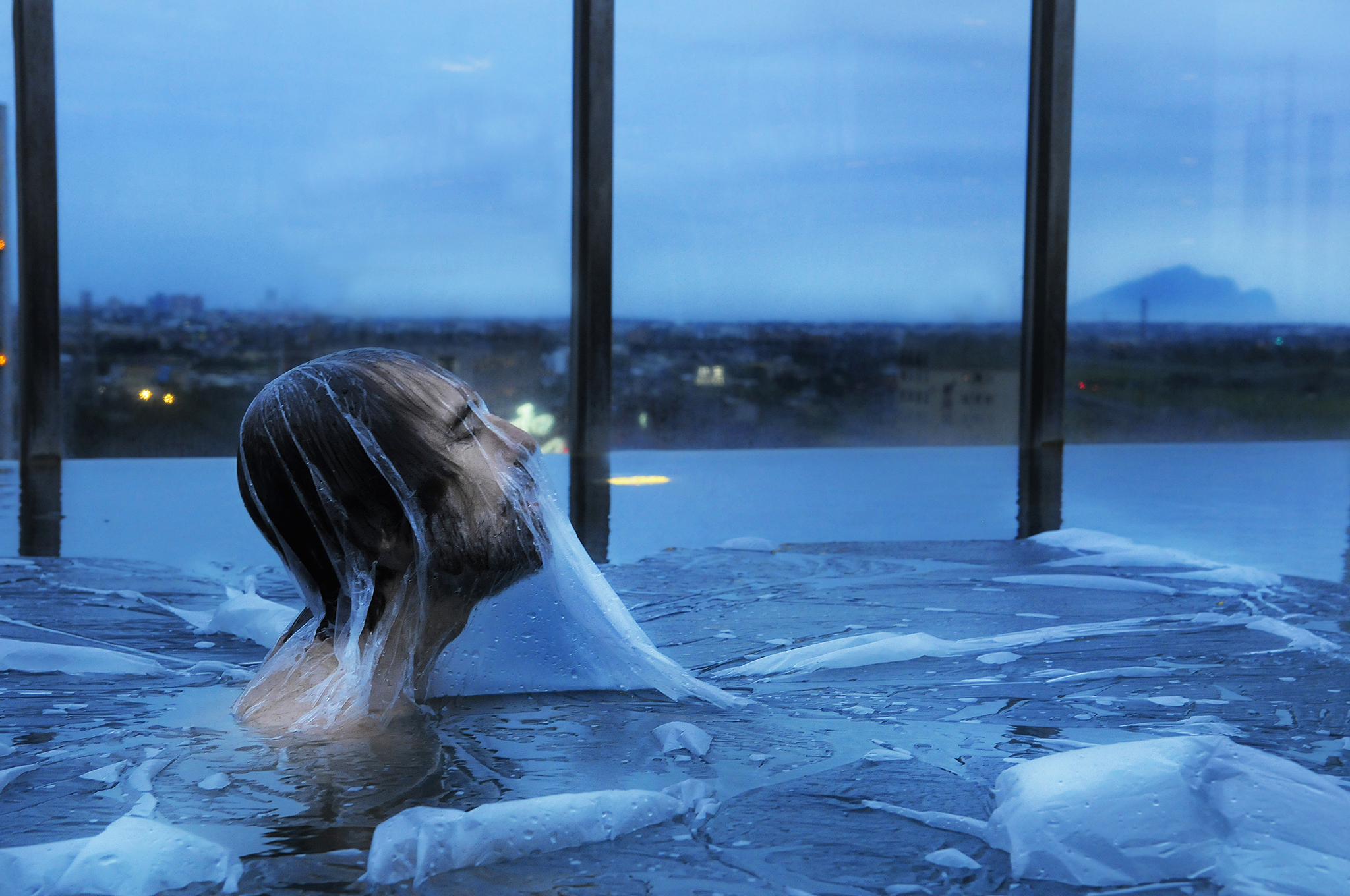
WATERPERFORMANCE WITH YEH MING-HWA

Or: how not to breath.

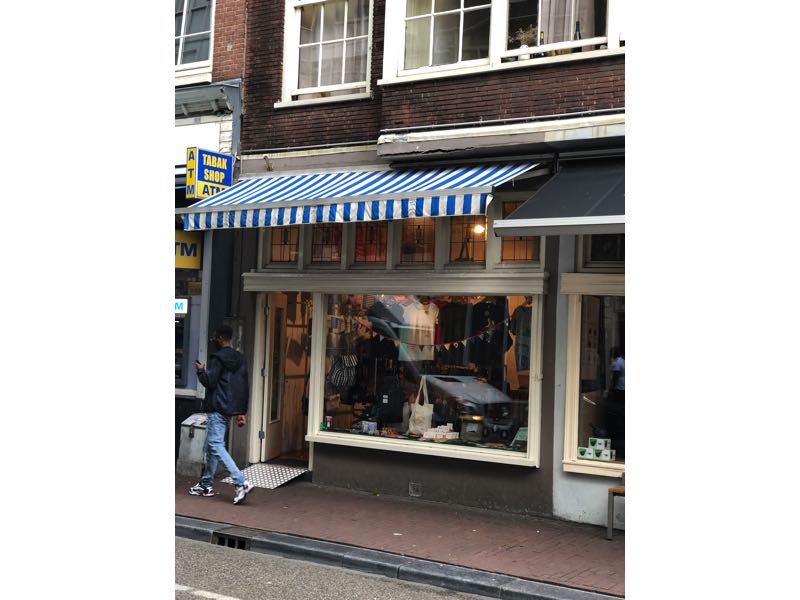
DUTCH CANJUNE STORE IN AMSTERDAM

VISIT to BERNARD KLEIKAMP of PAN RECORDS

Bernard produced a dozen or so throat singing CDS and many other interesting titles from around the world. All from this modest office.

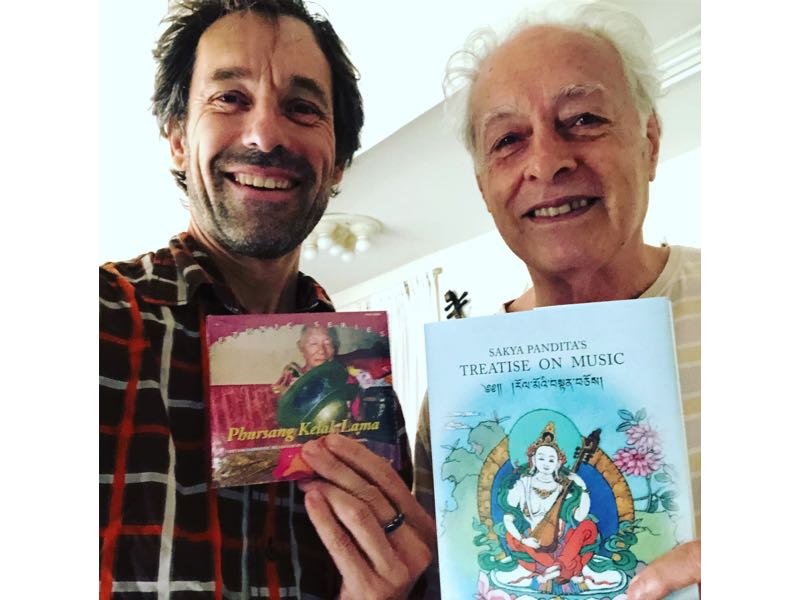
EXCHANGE OF NEW TIBTEAN MUSIC PUBLICATIONS

I bring Pan Records’ new CD Phursang Kelak Lama to Ricardo Canzio on behalf of Bernard Kleikamp. Ricardo gave me his precious new book Sakya Pandita’s Treatise on Music.

WITH TRAN QUANG and BACH YEN in PARIS

See the blogpost.

IN ROME FOR THE CAVE OPERA

WORLD MUSIC FESTIVAL TAIPEI

AROMAJOINT PERFUMANCE


VOICE YOGA WINTER SOLSTICE RETREAT


THANKS TO THE TEAM!


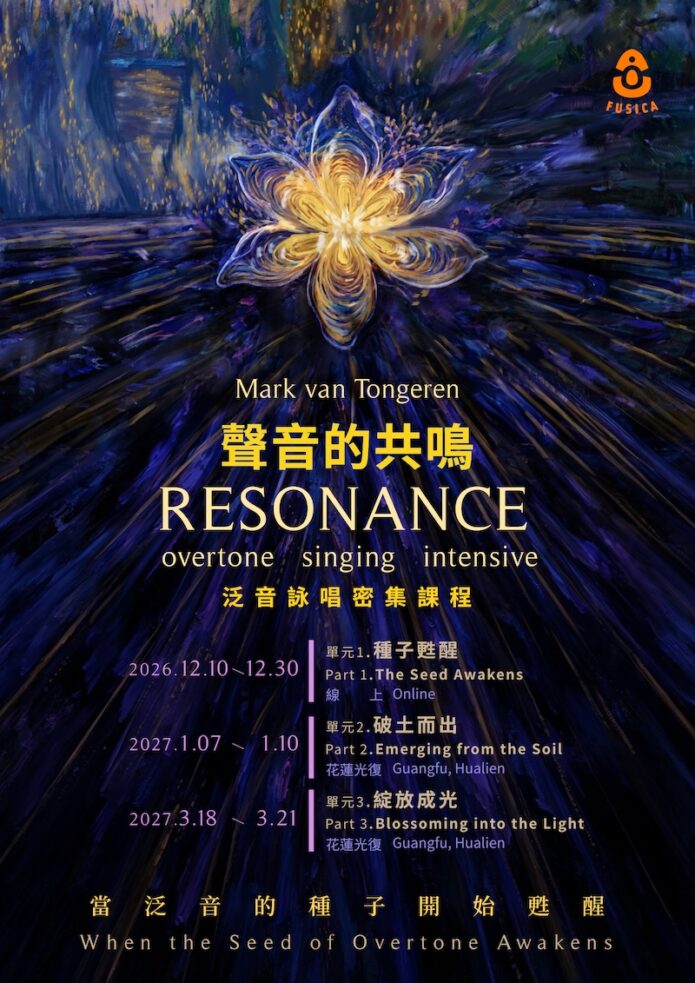
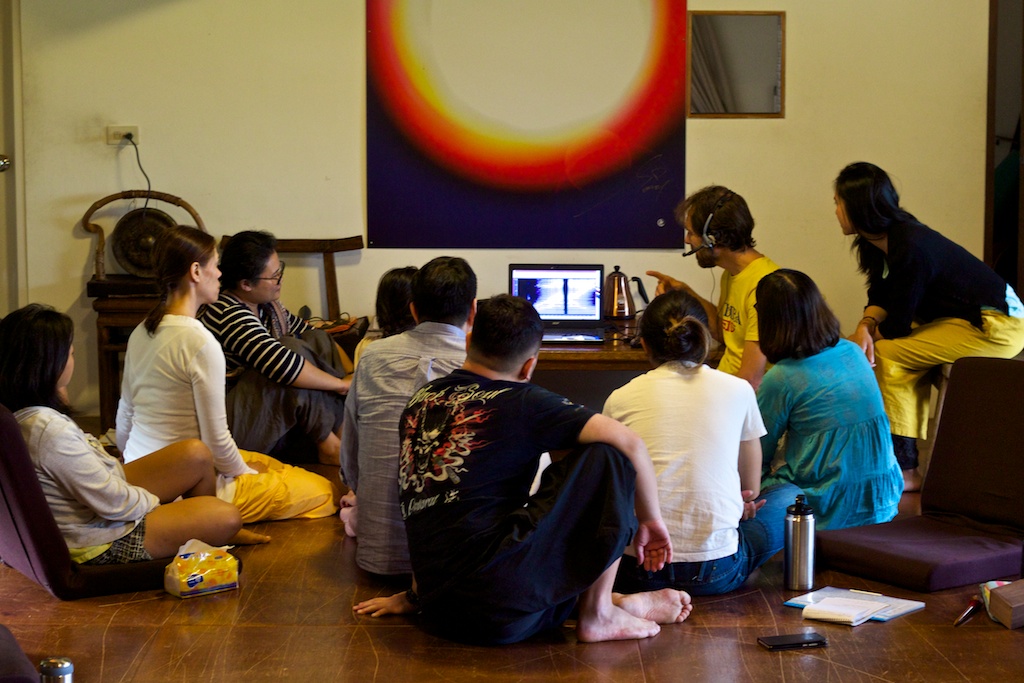
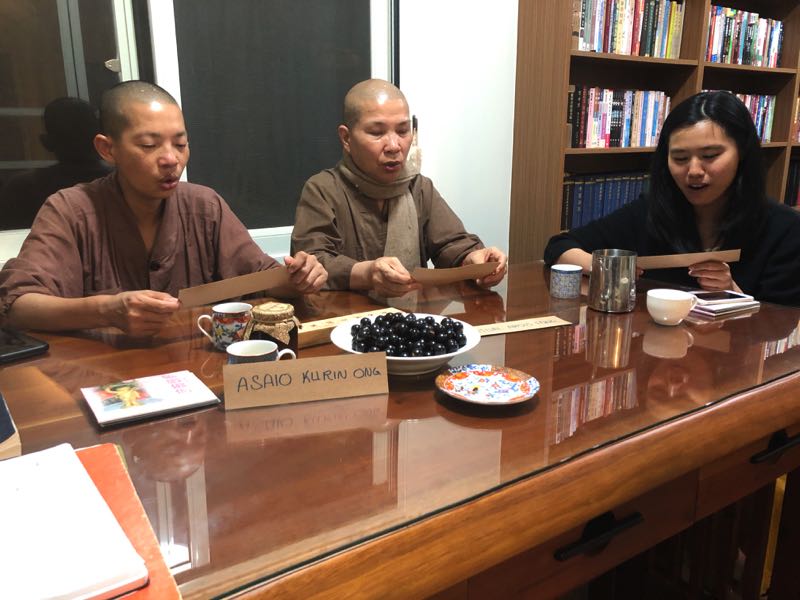
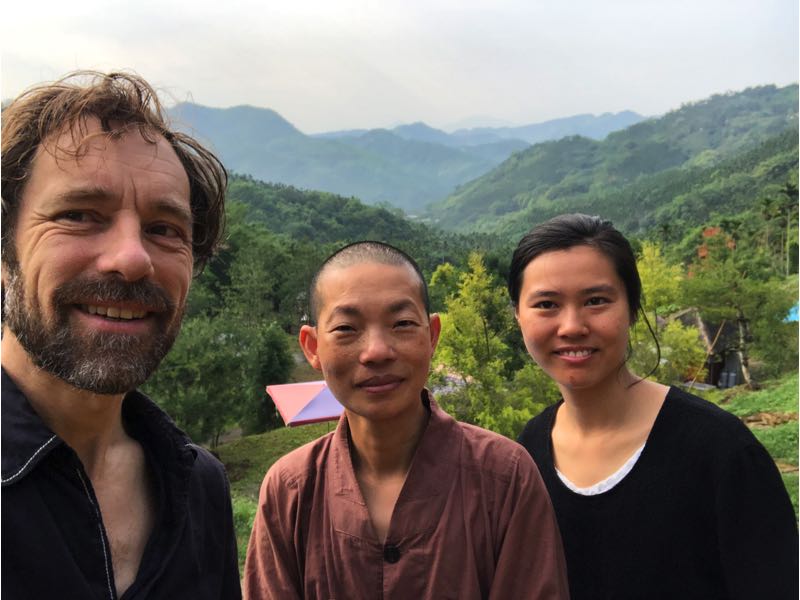
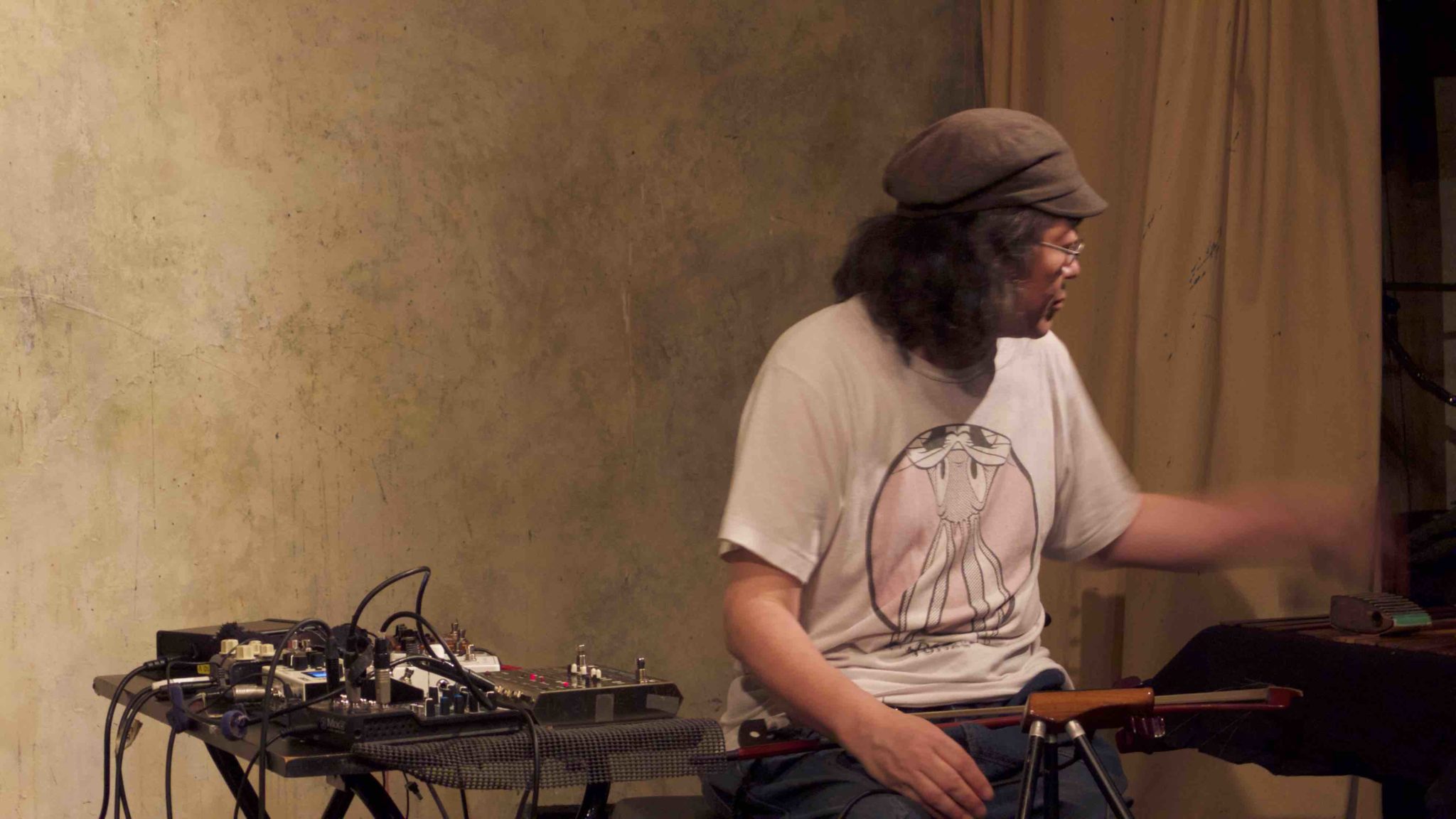
RESONANCE course 2017-2018

For English scroll down, or ask for digital brochure by mailing us.


聲音的共鳴 年度工作坊
2017 – 2018
探索人類聲音隱藏的淺能—用泛音跟新的音質來創造音樂; 以新的方式傾聽世界以及自己的聲音; 用自己的聲音作為轉變與進行更有效的表達的工具。

「透過呼吸與聆聽身體及環境中的共鳴我們展開一段不可思議的巡禮,發掘創新與治療的潛能。」
馬克.范.湯格鄰

「最令我們感動的是老師的帶領方式…不著痕跡、有洞見地、循序漸進、有創意、好玩且即時。滿心誠摯的感謝。」
Una Kao

【自己,自己的聲音,與自己的存在】
要如何找到自己的聲音? 要怎麼做自己? 要如何不再做自己,而成為另一個人? 另一個你想成為的人?

要如何感覺自己整個存有共鳴,活著的,完整的……對自己的存在感到自在,可以在他人面前展現真正的自己? 和其他可以做自己的人相會;不用特別有禮貌或是維持外表的和諧?

在德蘇(Mark van Tongeren)的聲音的【共鳴】課程中,音樂—特別是人聲—會是幫助你達到以上目標的工具。探入你的靈魂深處,顛覆你的心思跟想法,甚至改變你的物質身體。把「一個人自身」不同的「部份」重新結合,化為一個能夠共振的整體;成為一個震動、脈搏和頻率的交響樂。

泛音演唱技巧是本門課的訓練基礎。泛音就像是你的聲音音色中,自成一格的小世界。你會浸淫於基礎泛音序列的音樂性聲音。我們會一次次的改變我們聆聽以及發聲的方式,以開啟泛音和泛音序列隱藏的層面。實際訓練方法將以帶實驗性和個人化的方式進行、使你能夠更自由地表達自我,運用你聲音中本自俱足的豐富音色。

《招收對象》
我們歡迎各種背景的人來參加【共鳴】課程。前學員有上班族、老師、藝術學校的學生跟創意工作者;也有電腦專家、瑜珈老師跟對聲音有障礙的人;也還有熱愛蒙古與圖瓦呼麥的男歌者,和受古典訓練的女高音。這個課程開立給任何對聲音的創造性有興趣;在生活中尋求平衡的現代人。不須任何音樂背景。不過,已經參加過幾個泛音課程的學生也還有很多可以學。如果你還在猶豫,歡迎聯繫我們來問問題。

【授課語言】
本門課老師以英語授課,你的中文翻譯,陳亮伃,會依照需求重點式或整段翻譯。

【收費、折扣、與優惠說明】
【共鳴】工作坊(十堂課)學費總計17,500 NT$。
請於開課前完成繳費報名。

符合以下條件者得享優惠方案(折扣不重複)
*在學生與超過65歲年長者享75折優惠。
*早鳥優惠: 85折,請於10/20前報名

時間: 2017年12月 ~ 2018年4月
每月間的星期六10:00 am~17:00 pm,共十堂課。
詳細日期請見FUSICA官網行事曆 https://www.fusica.nl/

免費試聽課程: 2017年11月3日
星期五晚上19:00pm~21:30pm

地點:肯園香氣私塾教室
台北市復興南路二段151巷3號4樓(近捷運「
科技大樓站」)

CanjuneGymnasium
課程對象:音樂人,演員,講者;治療師,療癒工作者;任何在生活中尋求平衡的現代人。

好奇嗎?請來電或來信了解詳情、索取課程簡章、日程&學費說明。

中文報名請洽: ly.sunny.chen@gmail.com / 0912-024-285 陳亮伃
英文報名請洽: info@fusica.nl / 0910-382-749 Mark van Tongeren

講師:

德蘇(Mark van Tongeren)是一位聲音探險家,長期關注藝術與科學領域之間的協同作用。作為一位自學而成的音樂家,他參與多項戲劇、音樂與舞蹈製作和錄音。為荷蘭萊登大學表演藝術學博士。現任國立政治大學講師。
www.fusica.nl/biography

「與聲音同在為我帶來這麼多的喜悅。我在這裡找到我的自我。我應該要唱出來,為你而唱,讓你知道你帶給我有多少。」
新竹的Sky

「很喜歡聲音自由地、自發地流出的狀態。我雖是唱者,同時我也是聽者。我聽著聲音從我的口中流出~自然的流出~聲音是靈魂的語言,有些東西無法用語言和文字來表達。我覺得泛唱可以打開許多未知和不可知。」
三重的Amano

「這兩年接觸了聲音瑜伽和共鳴,老師的溫和及不急不徐,讓我願意嘗試,運用這個身體和聲音,可以打開一個更大的世界,而吵雜的噪音也可能變得有趣。只要用老師引導的方式,回到身體、進入呼吸之流,不費力的,緊張逐漸卸下。一旦人放鬆了,心也開始變得自由,遊戲本能甦醒,就讓自己的聲音成為聽見自己的陪伴。老師的無為而為又溫柔堅定的帶領,讓我碰觸對喉嚨和身體的緊縮,於是知道怎麼讓它再度打開。」
台北的Nancy

Explore the hidden dimensions of the human voice.
Make music with overtones and new timbres.
Listen to the world and to yourself with new ears.
Learn how to use your voice as a powerful tool for transformation and better communication.

By taking time to breathe and to listen to all the ways in which the body and the world resonates, we open up an amazing path of discovery and creative, therapeutic learning. – Mark van Tongeren

What impressed us is the way of your teaching … subtle, perceptual, respective, creative, fun and updated. Thank you sincerely. – Una Kao

YOU, YOUR VOICE, AND YOUR BEING
How to find your own voice? How to be who you are? How not to be who you are, but to become someone else? Someone you wish to be?

How to feel your whole being resonating, alive, complete …. to feel at ease with yourself, and to be completely YOU while in the presence of others? To meet others around you who can also be themselves, without acting nicely, or keeping up appearances?
In Mark van Tongeren’s R E S O N A N C E course, music, and most of all, the human voice, is the foremost instrument to achieve precisely that goal. To reach into the greatest depths of your soul, to stir your mind and your thinking, even to change your physical body. To bring all these disparate ‘parts’ of ‘a single self’ together in a fully resonating whole, a symphony of vibrations, pulses, frequencies.

The backbone of this training program is the overtone singing technique. Overtones are like a world of their own residing within the timbres of your voice. You will deeply immerse yourself in the fundamental harmonic laws of musical sound We will come back again and again to change the way we listen and vocalise, opening up to the hidden dimension of overtones, the harmonics that our voices and ears know well but our minds know not. In an experiential and personalised way you will learn to express yourself better, using a fuller range and spectrum of your voice.


FOR WHOM?
We have welcomed all kinds of people in the R e s o n a n c e course, from white-collar workers and school teachers to art students and creative professionals, from computer experts to yoga teachers and people with voice problems, from male afficionadoes of Mongolian and Tuvan khöömei to classically trained soprano’s.
This course is aimed at anyone with an interest in or sensitivity for sound as a creative principle. and those seeking more balance in their live.
No previous musical experience is required. For students who have already done one or more workshops of overtone singing there will still be plenty to learn. If you are in doubt, contact us with your questions.


LANGUAGE
The course will be mostly conducted in English. Your interpreter Sunny Chen will summarise or translate entire parts of the course into Mandarin, depending on the needs.

PRICES, DISCOUNTS and BENEFITS
The price per participant is 17.500 NT$ for ten classes. The following discounts apply (only one per person):
* Students and seniors with valid identity cards for the duration of the course: 25 %.
* Early birds: 15 % if you register before October 20. Extended to November 5!
* Payment in smaller increments is possible.

TESTIMONIALS
So much happiness and joy of being with you.
And it’s where I find ME.
I should sing it. Sing it for you.
To let you know how much you give me.
Sky from Hsinchu

I really enjoy sound flowing out freely and impulsively. Although I am the singer, I am also the listener, I hear sound coming out of my mouth, naturally flowing.
I feel sound is the language of the soul, something language cannot express.
I really wish to learn overtone singing.
I feel overtone singing opens up some unknown and unfathomable territories.
Amano from Hsinchu


YOUR GUIDE
Mark van Tongeren is a vocal performer working at the intersection of art and science. He has 25 years of experience in music and intermedial performance and holds a PhD in artistic research. He has traveled to the Altai, Mediterranean isles and Tibetan monasteries to learn from established masters. He is an international authority on the technique of overtone singing, both as a performer and author. He has taught at TNUA’s Music and Theatre Departments (2003-2004), National Chengchi University’s X-Lab (2012 – now) and at Canjune. He frequently collaborates with composers, improvisers, musicians and dancers in and outside Taiwan. He teaches and co-leads tours for Canjune and will lead the second musical tour to Tuva (Siberia) in Summer 2018.

Full biography: www.fusica.nl/biography

10 days from December 24, 2017 to April 2018
10 AM – 17:30 PM.
Place: CanJune Training Centre, Daan Area.
4F, #3 , Lane 151, Fuxing S Rd. Sec. 2.

Registrations for the course or requests for the digital brochure:
In Chinese: ly.sunny.chen@gmail.com/ 0912-024-285 CHEN Sunny
In English: info@fusica.nl / 0910 382 749 Mark van Tongeren


Photo credit: Yi Ching Juan, Mark van Tongeren, Jiji Liu


5/24: Free R E S O N A N C E Introduction Class

Sunday May 24 at Canjune’s Training Center in the Daan area, Taipei, from 10-12: an introduction to next year’s RESONANCE course. With information about the course, some exercises and a small concert by Mark to round it up.

Canjune Training Centre, 4th Floor, number 3 , Lane 151, Fuxing South Road, Section 2, (this is about 20 meters from the corner of FuXing South Road, go up the stairs to the hairdresser and take the elevator to 4F; if you’re early the streetdoor may be closed). Nearest MRT: Technology Building (10 min. walk). Phone 09 – 10 38 27 49.

RESONANCE中文版02