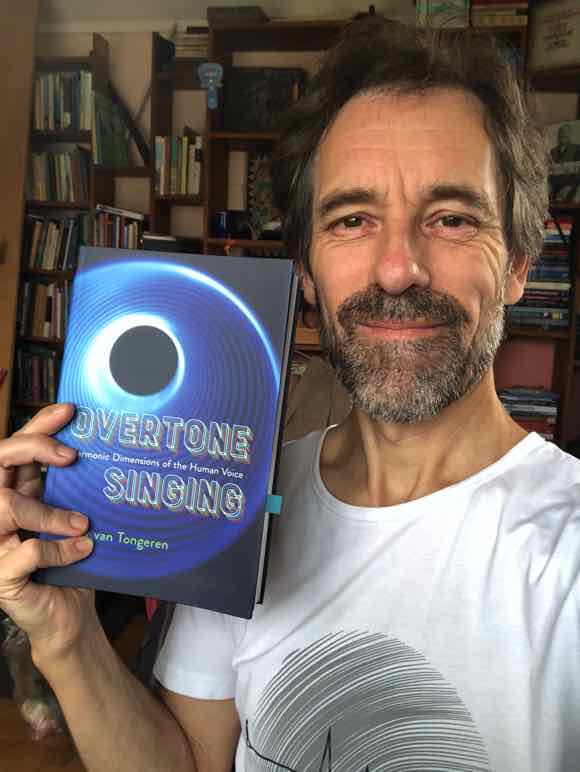
A few days ago, Overtone Singing – Hidden Dimensions of the Human Voice has arrived at its distribution centers in the US (NY), Europe (Haarlem) and Taiwan (Longtan). Publisher David Rothenberg produced a beautiful midway solution between paperback and hardcover book, called ‘flexibound.’
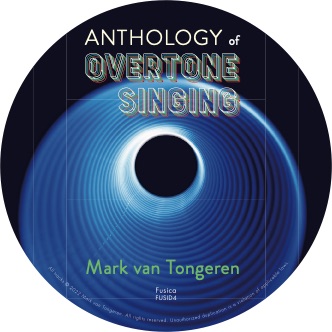
That was the signal to also let the Anthology of Overtone Singing go public. First of all on Bandcamp, where the audio is now available for streaming or purchasing. I also submitted all tracks to Apple Music, Spotify etc. etc. 25 Artists that are not featured on Apple Music and Spotify yet now will be represented there. It took me about a year of preparations and it meant not a small thing to press that ‘SUBMIT’ button to me.
So book and music are available now from Terra Nova Press, from me and next week also from a European address. We are still working out the best solution to offer the music and the book in one go. For the moment, the book is available through Terra Nova Press and by writing to me directly, while the Anthology is available in Bandcamp. Possibly we offer both in one package very soon.
There is a limited number of books available with a CD that is nearly identical with the streaming version from Bandcamp: just two tracks have been shortened a bit to fit onto the CD format. Details will soon be published on Bandcamp; you can also write to me if that is what you need.
The major platforms will start selling and shipping the book in December or January.
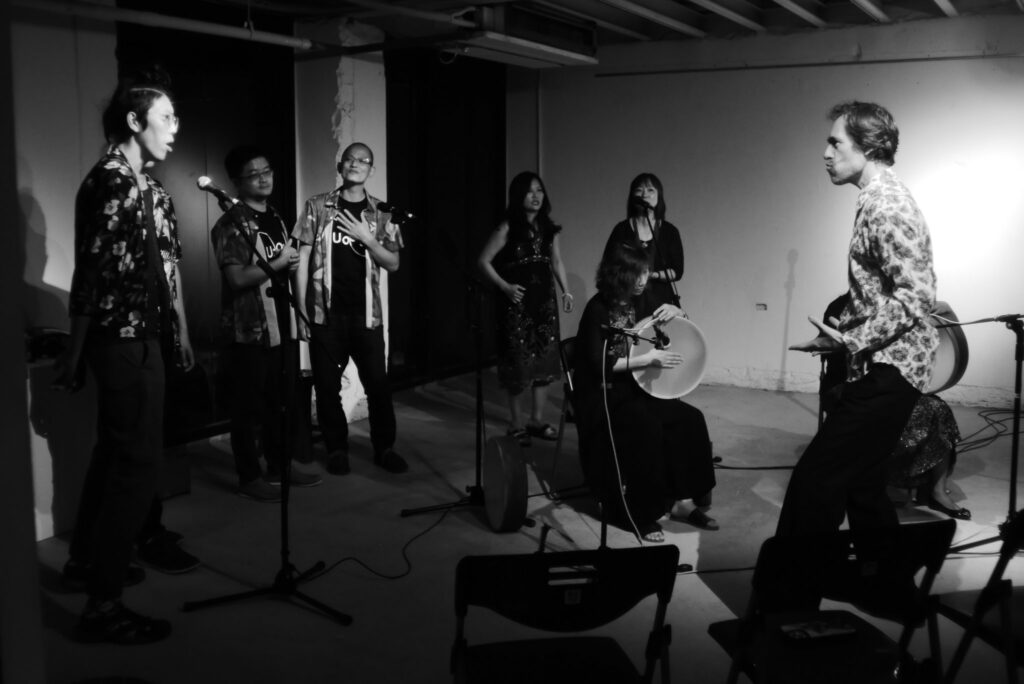
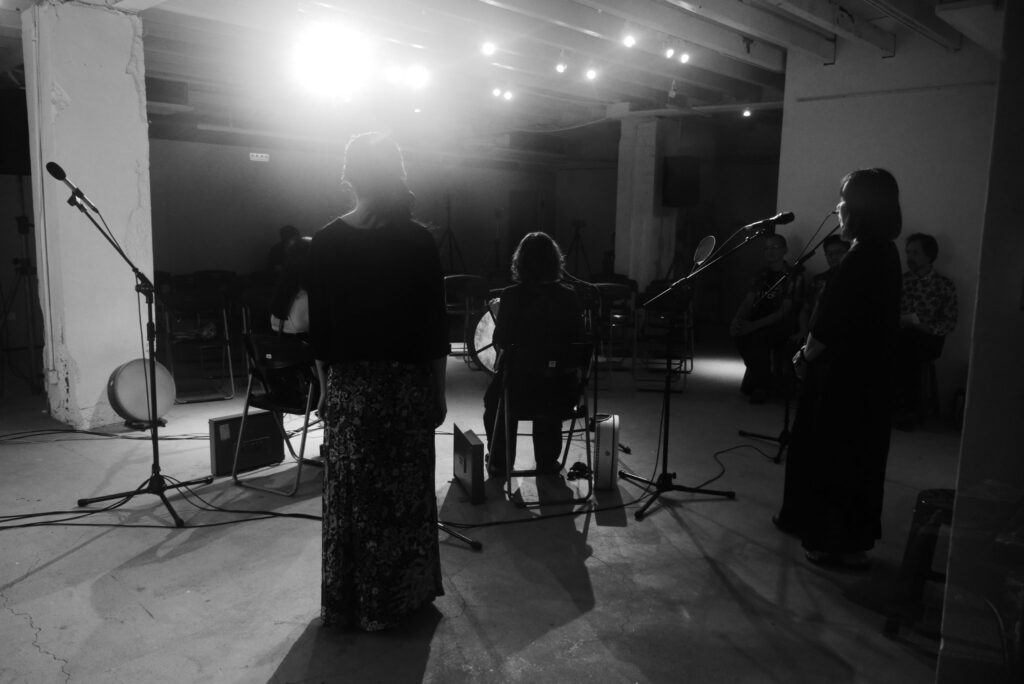
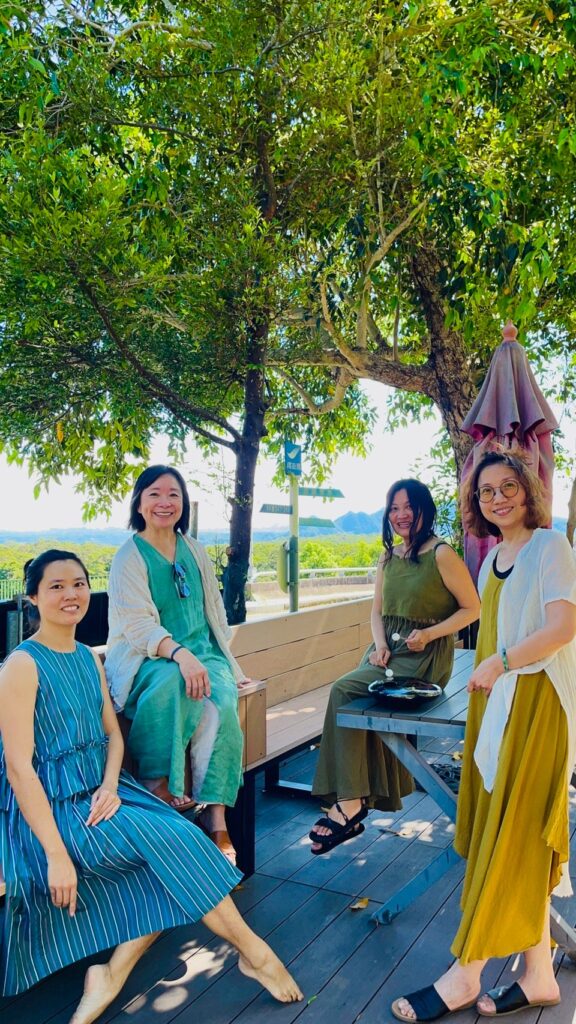
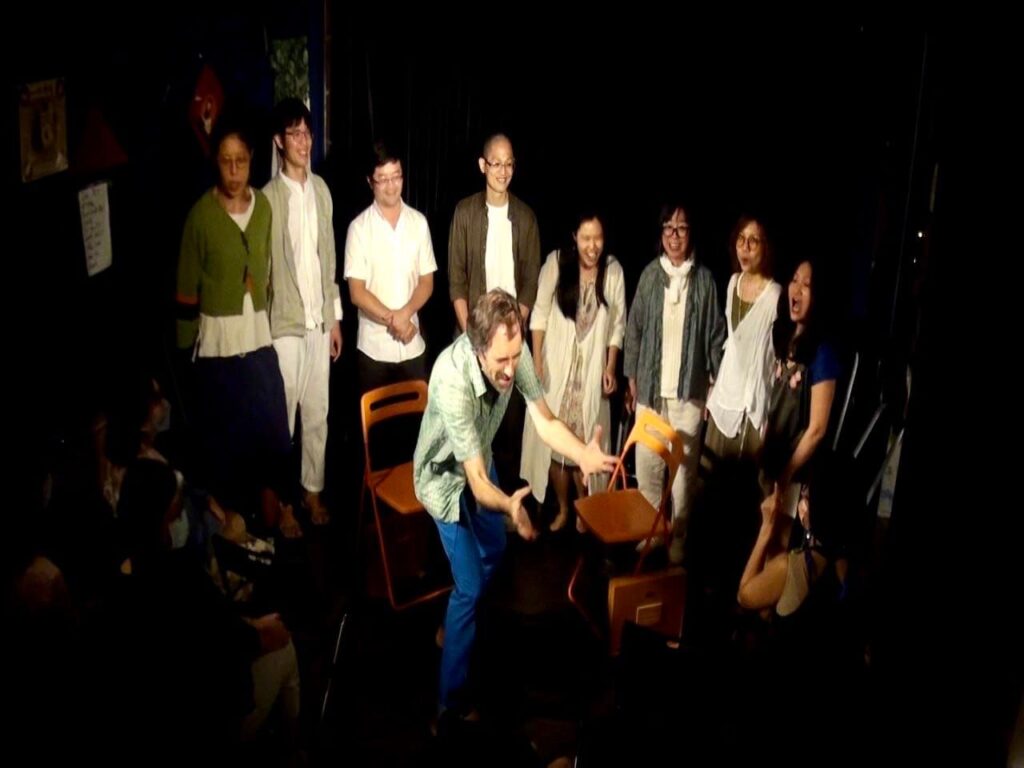
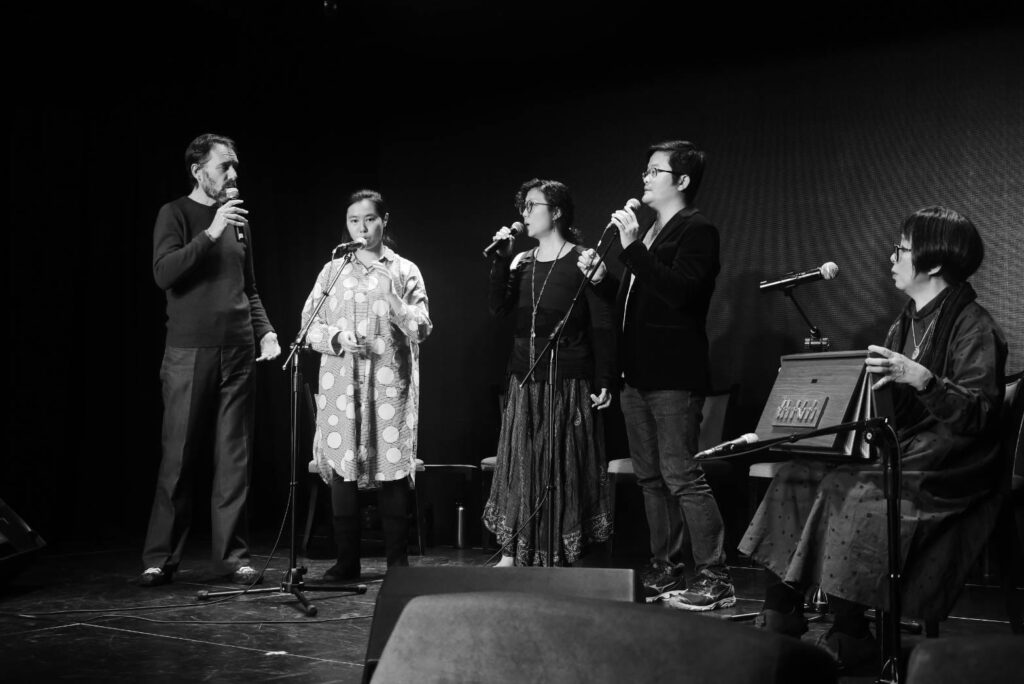
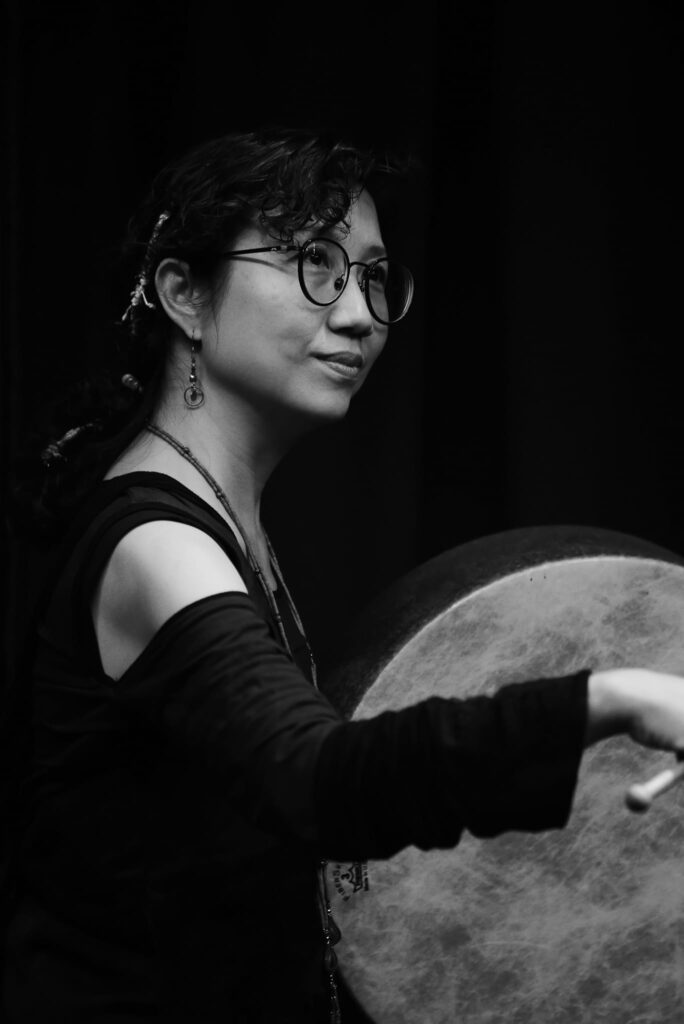
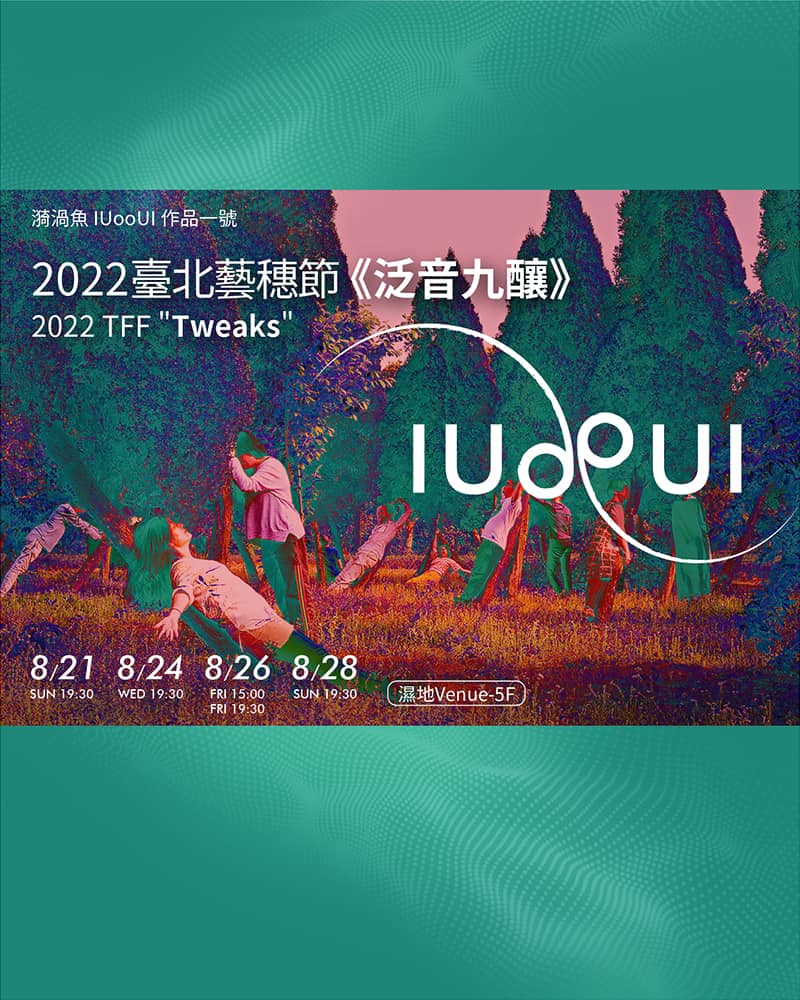
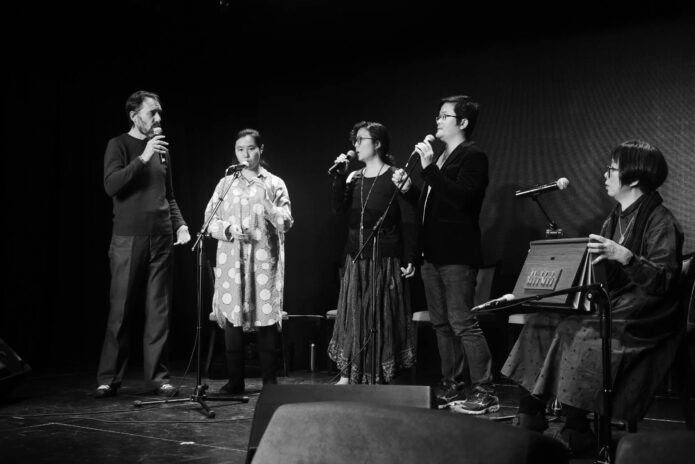
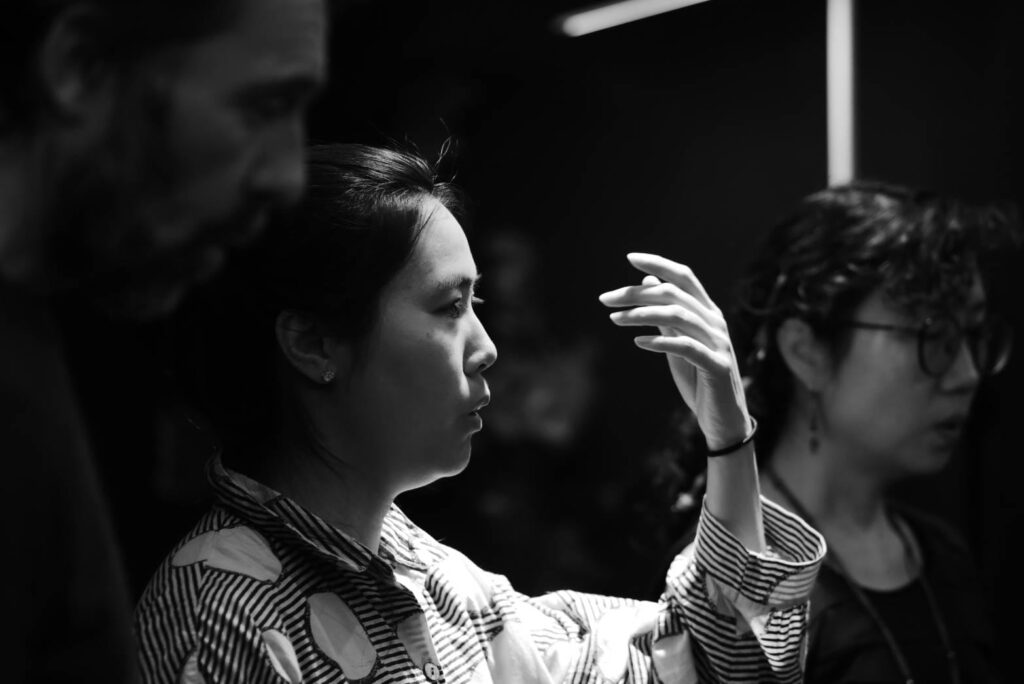
A new group called IUooUI is going to give its first series of full performances. Most of us know each other for many years now and share a deep passion for overtone singing, throat singing and improvising with voices and instruments, as well as work on the body-mind relationship. We decided to take it a step further and create surprising performances based on all those amazing sessions we had during workshops throughout the years. We all have dreams and desires to bring the music in our heads alive, for others to hear. This is a challenge. We leave the intimate comfort zone of a workshop space. We are ready to confront an audience of curious listeners in unusual settings, and to envelop them with our resonances, overtones, mantras, syllables, shrieks, assisted by drums, Jew’s Harps, shruti boxes and more.
The name UIooUI stands for the mantra-and sutra-like phrases that we often use, inspired by the okyo of Michael Vetter (1943-2013). Michael transformed these traditional Japanese sutras to expand his own musical language, and this has become part of my own language now. IuooUI also stands for:
Of course, the syllables i-u-o-o-u-i make a small overtone piece in themselves.
The name was proposed by our in-house poet, Amang, whose Chinese name is Yü, which is the last part of IUooUI when it is pronounced as a three-character Mandarin syllabe, yiwoyu.
Our in-house designer JiJi Liu created the logo for us.
The name TWEAKS refers to the process of tweaking, adjusting, making things better by smaller or sometimes bigger changes. It is my hope that next week we can really tweak all the musical elements so that they keep on growing, changing and move towards a more refined shape. This week, at least, some of us were still busy tweaking, like JiJi and Sky, who came up with this after the dress rehearsal:
It has been inspiring to see how busy all members got in recent months to prepare for this first complete performance. They have been working diligently on their sounds and pieces, of which more than half is composed by themselves in smaller units. They took care of sound and light, finding equipment and personnel to handle it, costumes …
Earlier this year we have done some smaller performance, to warm up, and as teasers for our bigger program.
DATES and TIMES
Sunday August 21 – 19:30
Wednesday August 24 – 19:30
Friday August 26 – 15:00 and 19:30
Sunday August 28 – 19:30
The performances will be held at VENUE, on its 5F space, No. 10, Lane 107, Linsen North Road. This is a bustling area and if you have the time, you can have diner before at a nice Japanese restaurant, Umeko, right next door to VENUE (no. 8)!
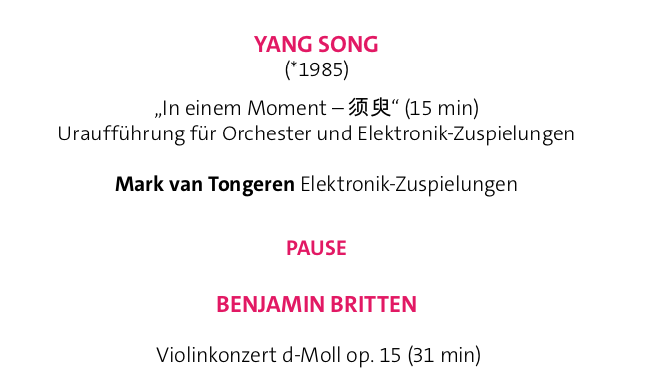
This weekend a new work by Chinese-German composer Yang Song in which my voice and Jew’s harp are featured, will have its world premiere: In Einem Moment – 须臾. The piece features orchestra and tape, as it is often still called, meaning pre-recorded audio played back during the live performance. Yang Song studied electro-acoustic composition and created an 8-channel version with spatial and some digital effects superimposed on the voice and instrument recordings. Among the recordings are not just pieces of throat singing (khöömii or khöömei), but also vocalisations inspired by a special genre of folk song I have practiced in a free style for many years: Mongolian long song or urtyn duu.
The timing of the invitation, some four months ago, was auspicious, because I had just began to delve deeper into the Mongolian long song genre with the intention to include it in my live repertoire. So a month or so earlier I picked up a book plus CD I had bought in Mongolia but never properly studied: Alain Desjaques’s Dix-Huit Chants Mongols Dzahtchin et Ourianhai. (If this sounds familiar to some readers, I wrote more about that in this recent blogpost.)*
While I was working on that material, Yang Song got in touch with me through a common friend, Frank Kouwenhoven, of CHIME in Leiden. Song grew up in Inner-Mongolia, part of the PRC, from partial Mongolian parentage, but in a Chinese-language environment. In the program notes to her piece, she admits that she is familiar with traditional Mongol music and yet not really used to them. “In my family Mongolian blood flows; I was used to be surrounded by Mongolian music in various formats, even though I did not understand the lyrics.”
The question was if I could provide a number of different techniques of throat singing / overtone singing, Mongolian long song, and Jew’s harp, to use as the ground material for her electronic composition and the orchestral piece. I wanted to oblige, as her music immediately appealed to me and our first conversation made clear we had many things in common aesthetically. At the same time I was a bit confused: Why Me? Wouldn’t it be easier and more logical to ask a musician from Inner-Mongolia to provide the basic tracks for her piece? Even though I am a Dutchman living in Taiwan, and she is a Chinese Mongol in Germany, we had a similar proximity, or rather: distance to the music that inspired her. Noticing that this was apparently what she wanted (someone with a certain distance to the living source of Mongol traditional music) I put the question aside and started to work.
I sent her my updated and expanded Anthology of Overtone Singing: a selection of my field recordings from traditional of overtone singing plus several of my own pieces and demonstrations (and which will be published soon as the 2022 version of my book Overtone Singing is in its final stages of publication). She sent me back samples of it and of recordings she found on the web. We agreed to work on 7 short pieces of about 30 to 90 seconds. Although initially it seemed she wanted to let me improvise, over time her ideas became more fixed. She wanted to let the orchestra sing or recite some of the long song syllables, so she ended up needing fixed lyrics. I then wrote lyrics inspired by Mongolian phonemes (I only speak a few words of Mongolian and do not want to make a fool of myself pretending I can sings ongs in fluently Mongolian). She also set out the rhythmical structure, fundamental notes and durations for my parts, all of which I recorded in a studio.
I am curious about the result but will not be able to hear it in its full 8-channel form with live orchestra. If you are near Saarbrücken, please go and listen for me – at least Frank Kouwenhoven will be there to give his account of how it sounded! Since this is a radio concert, I think it will be live on the radio too this Friday.
May 20, 2022, 19:00
Benjamin Britten
Variationen über ein Thema von Frank Bridge für Streicher op. 10
Yang Song
„In einem Moment – 须臾“
Uraufführung / World Premiere
Benjamin Britten
Violinkonzert d-Moll op. 15
German Radio Philharmonic. Conductor: Martyn Brabbins.
* Alain Desjaques’ book title is a reference to an earlier collection of songs and poems assembled by a Mongolian princess, Dix-huit chants et poèmes mongols, published 1937.
On 12/12/2021 we started the founding of the TOSA, or Taiwan Overtone Singing Association. It was an old dream of mine to have a more solid vehicle for my work and that of others in the field of overtone singing. But lacking reading and writing skills in Chinese I was unable to give that wish a concrete form. But then my close collaborators Sunny Chen and Jackal Mei began to question me about this and make suggestions about how to let this community grow and organise some bigger events. By now there are quite some people who have studied overtone singing with me or with other local practitioners, or with foreign teachers (often from Inner Mongolia or Tuva). There are several skilled performers and others who are improving their skills rapidly. I tend to be a bit of a loner in my work in overtone singing, but I think the time has come to really help others flower if they wish to become good overtone singers. And to show more people the beauty of this technique in all its forms, whether artistic or therapeutic, traditional or modern.
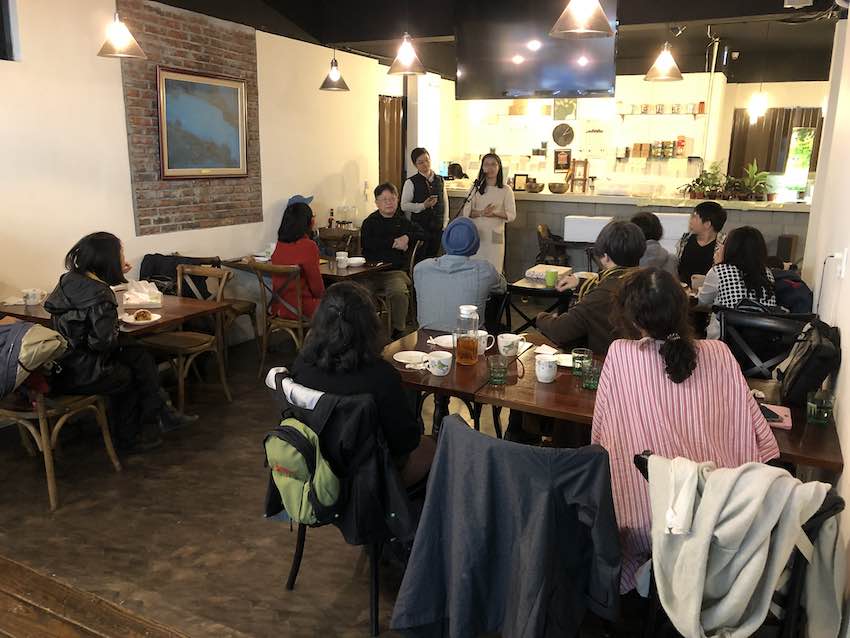
TOSA members performing on January 1 at Mei Garden Restaurant, Taipei
In the end it was Sunny Chen who has done endless amounts of paperwork to have the first small meeting of founders last December. My heartfelt thanks to her and all those who signed up as founders. The next step is to go public, and this will happen right after Chinese New Year, on February 19. On that day our chairman Sky Tseng will tell more about bigger and smaller events we are going to host every year; about a practising group to brush up your overtone singing and chanting; about concerts we will jointly attend or important books and pieces or CDs we will discuss. Professor Chung Minder, or taimu as he is known to many, will look back to twenty years of overtone singing in Taiwan, and perhaps look forward too. My old friends, and long-time overtone singing lovers (and love-couple in the first place) Wei-Lin and Qi-Chung will do a presentation, and so do I: this serves as the upbeat to a full concert we are preparing for later this year.
To make all of this happen, we need to reach a minimum of 45 members by January 28 (and not by February 19, as we thought before). We hope you will consider to sign up this month and give our association a flying start. A little extra support at this point is much needed since only a small inner circle of people knows about this initiative. Once we get started in February we can reach out to more people.
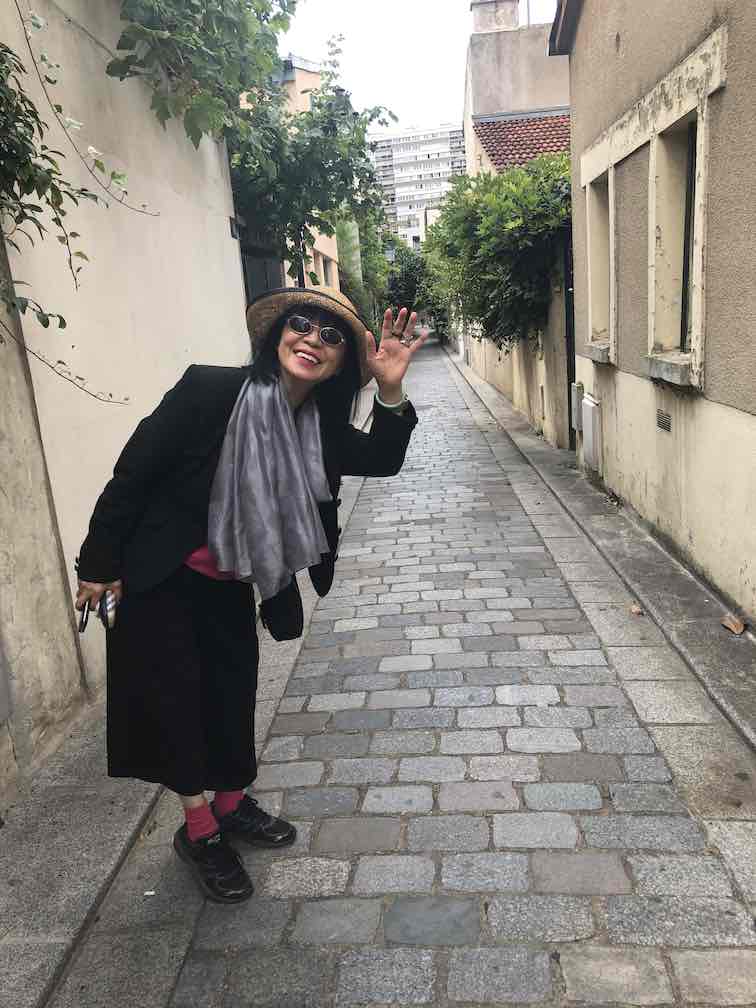
The most prolific researcher in the field of overtone singing is a man with many faces. His name is Tran Quang Hai and you can call him (and all options are correct): Vietnamese or French; a professional musician or a professional musicologist; an instrumentalist or a singer; an improviser or a composer; a traditional, a popular or an experimental musician (all three will do); an expert in Vietnamese traditional musics and an astute chronicler of its year-to-year development in the past decades.* Tran Quang Hai has a new book out celebrating his 50 years of music research in many different areas. We recently met in Paris, where he shared some interesting facts about the Vietnamese Jew’s harp (dan moi) I did not know before. On the trip back to Amsterdam I read most of the articles in his book that I had not seen before, so more on that too. Before talking about our meeting, his book and the origin of the word dan moi (Jew’s harp), some historical background. Since Hai is Tran Quang Hai’s first name I will refer to him as Hai.
I learned of Hai’s work on overtone singing in the early 1990s. When I got to know him personally, I was astounded and (I will admit) a bit intimidated by his unbridled energy. He loves to share what he does, and he is in fact overflowing with enthusiasm: for overtone singing, for Vietnamese music, for playing the Jew’s harp and spoons, for ethnomusicology, for his constant travels as a performer and teacher. After my visits I was usually exhilirated (about all the new things I had learned or shared with him) and at the same time exhausted (feeling my life was a mess with no progress at all).
In fact, going to Paris has been almost synonymous with visiting Hai and his lovely wife Bach Yen (whose singing carreer goes way way back). And these visits became almost synonymous with absolutely great Vietnamese food. Bach Yen often spent hours and hours to buy fine ingredients like all kinds of fresh leaves, vegetables, seafood and meat and prepare them the Vietnamese way. We would have excellent diners, drank nice wine, as the couple made an annual ‘pilgrimage’ to different regions in France to stock up on boxes of quality wine to share with friends at home.
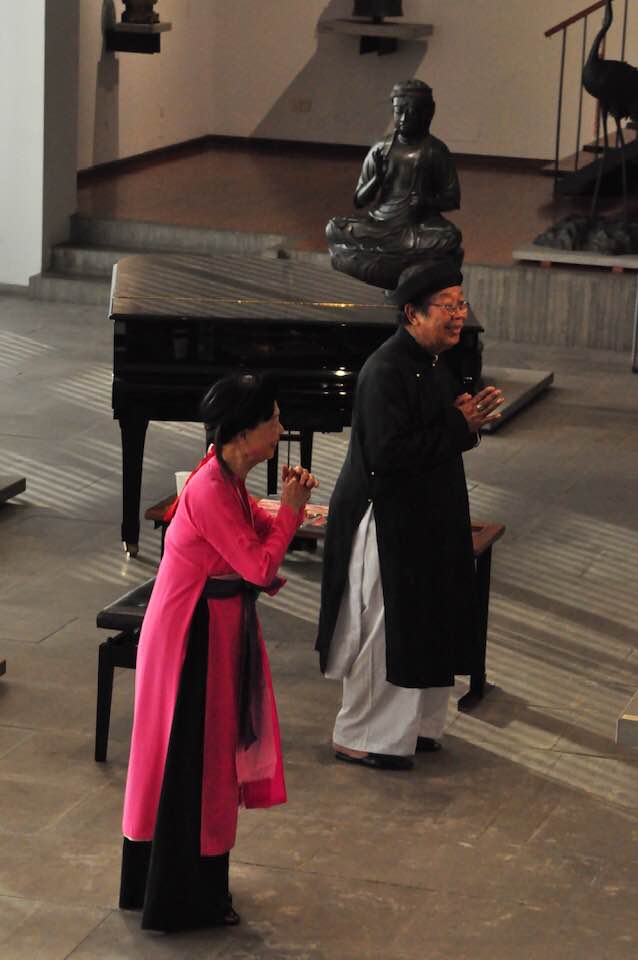
After moving to Taiwan, my encounters with Tran Quang Hai were scarce, and visits to both of them even more. In 2019, it has been around ten years since we last met in Paris. So I was delighted to see them again some weeks ago. Tran Quang Hai retired a decade ago from the ethnomusicology department at the Musée de L’Homme in Paris, but has remained an active performer and workshop leader for all these years. Bach Yen is a famous singer of popular songs and entertainment music, as well as a singer of many different genres of traditional music. Together they have given hundreds of concerts in Europe and elsewhere, and they continue to do so. Here is a photo of their appearance in Genoa, Italy, a week or so after I met them.
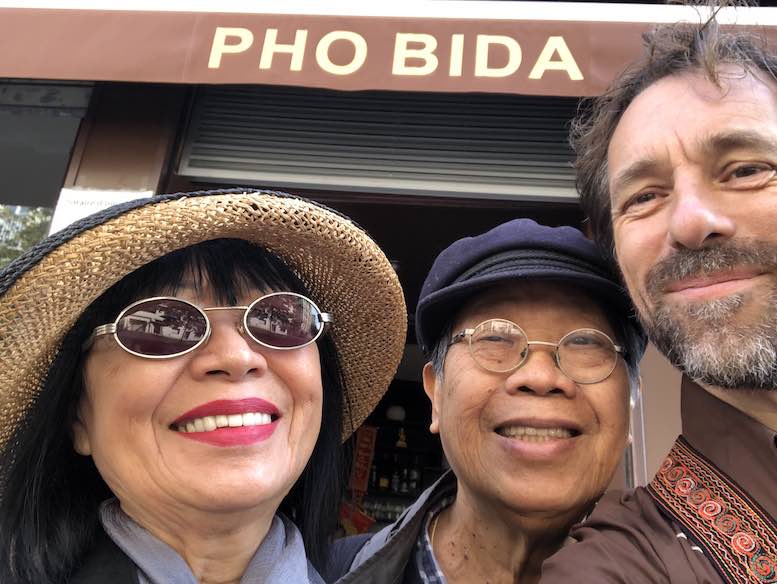
Late August, when I walked down the platform of Gare de Lyon, Hai and Bach Yen were waiting for me. Once again I was overwhelmed to be in their buzzing, energetic presence. The first thing they did, was to get out their cameras and make many photos together. Then we strolled to their car, and their warm hands and arms embraced my arms. I sometimes think of myself as someone who easily touches people, but this time I thought I am quite distant compared to them. It was really (excusez le mot) touching to stroll down the platform chatting and to be ‘wrapped’ by their tender hands and arms on both sides. Hai told me once about using his hands to heal people and showed me some methods. But it seems the couple just radiates warmth and energy naturally, even without using a special method.
For our Vietnamese food, this time we drove to a place called Pho Bida, pronounced Fo Beeyaa. Pho is the famous Vietnamese noodle soup, but what about Bida? It turns out to be derived from ‘billiard’, as the former location of this restaurant housed a popular billiard room as well. The place is not very spacious but we were early and could chose any seat. By the time we left lots of people waited outside. The food was great and loved by Vietnamese and non-Vietnamese alike: highly recommended! (Pho Bida Vietnam, 36 rue Nationale, 75013 Paris)
Tran Quang Hai’s New Book
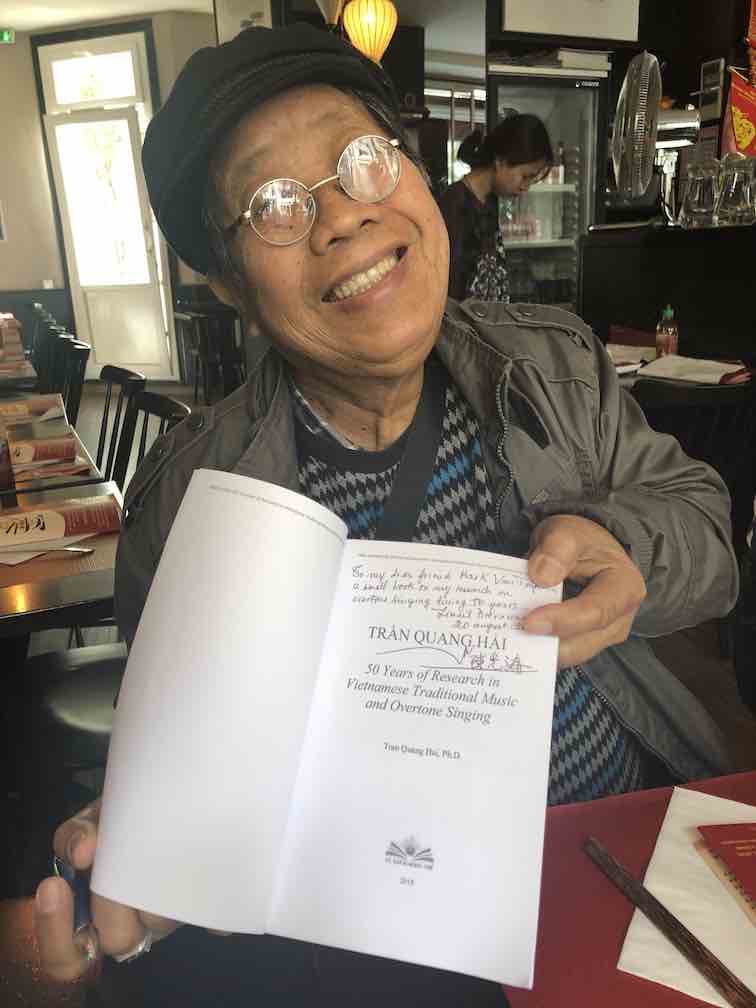
When we sat down, Hai gave me his new book, a thick volume with many of his articles and listst of all his achievements, titles, appearances, etc. organized in a single volume. Some articles I have known for a long time. So I particularly enjoyed reading those things I did not know in detail.
First, an article about Vietnamese music and its historical background, very helpful for understanding the relationship to Chinese music and culture. It also covers many of the recent developments in Vietnamese music, making it in effect a kind of encyclopaedic entry into Vietnam and all its music. With this work Hai most clearly follows in the footsteps of his late father Tran Van Khe, also a well-known musician and musicologist.
“Tran Quang Hai. 50 Years of Research in Vietnamese Traditional Music and Overtone Singing.”
Second, an article that accompanied a double CD issued in France in 1997, dedicated to the absolutely fascinating world of mountain tribe musics in Vietnam. There is a dazzling array of types of instruments and ways of playing, and these liner notes give a good overview of this field.
If you are interested in overtone singing and still love printed matter, as I do myself, then this is a good way to get your (physical) hands on several key articles on this technique by Dr. Tran Quang Hai and understand the background of his research. (Note for academic readers: for research purposes it is better to consult online pdfs of the articles in their original format). Available here.
Tran Quang Hai and the Dan Moi
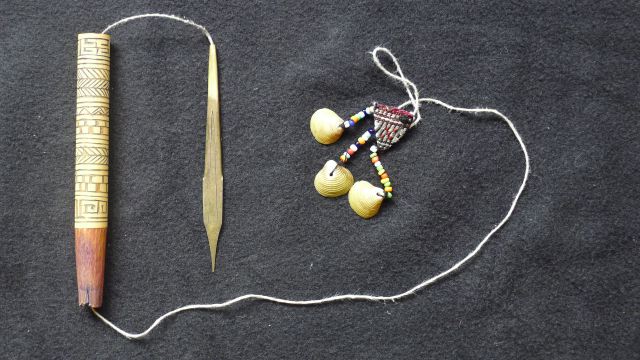
During our lunch I also learned where the common name of the Vietnamese brass Jew’s harp comes from. It is usually referred to as dan moi, which is a Vietnamese word (compare for example dan tranh/đàn tranh, the plucked zither, or the unique one-string zither dan bau/đàn bầu). However, the thin, finely crafted Jew’s harp, probably smaller than any other type of Jew’s harp, originates from the mountain tribes who live close to Yunnan in South China. The Hmong’s native language and culture has little to do with that of the dominant Viet or Kinh ethnic group, who are historically tied to China. When travelling in the mountains in North Vietnam (around Sapa), I encountered the Hmong people who play this instrument and managed to get one made locally by their craftsmen. They referred to it as gya, phonetically speaking, though in writing it is referred to as djam. A personal note from Tran Quang Hai shortly after publishing this post: the Hmong name of the Jew’s harp is ncas (pronounced ncha).
The djam I bought in Sapa from girls who played the instrument along the mountain road. (photo by the author).
So I asked Hai how the name dan moi came about. He explained: there is no Jew’s harp in the music of the ethnic Vietnamese. So when he learned about the traditions of the mountain people around 50 years ago, he had to make up a new name himself in order to accommodate the minorities’ instrument in the system and language of Vietnam. To use ‘dan’ (meaning ‘instrument’) was an obvious beginning point. Hai decided to add ‘moi’ for lips, to designate it is played between the lips. Most brass or metal Jew’s harps are held against the teeth, with the lamella vibrating between the teeth; the dan moi is held between the lips and vibrates there. In this sense it is more like a type of wooden or bamboo Jew’s harp, particularly the ones vibrated by a string attached to one side.
A Hmong girl playing the djam for me in 2003 (photo by the author).
The dan moi went on to become a very popular instrument around the world once non-Vietnamese musicians discovered them, at the turn of the millenium. Many people asked me for it when I brought them back in 2003. I remember giving one to Tuvan throat singer Sainkho around 2004. She immediately fell for its bright sound and expressive qualities, and asked for more several times after (and so did other people). At the same time, a German company saw the potential of this cheap instrument to reach a huge audience and set up (web)shop, calling it www.danmoi.com. It has a become a one-stop shop to buy all kinds of Jew’s harps. So dan moi, Hai’s new name for the djham, a minority instrument, and for Jew’s harps in general, now has become sort of a symbol of 21st century global Jew’s harp culture. And it seems to be growing year by year: here in Taiwan I have seen many new Jew’s harp enthusiasts taking the stages recently, often sporting a collection of world Jew’s harps, including, of course, the dan moi.
Here is a video where you see the movement of the dan moi lamella in slow motion, played by Hai’s student Dang Khai Nguyen.
Learn more about Tran Quang Hai
Hai is still actively teaching, find out where his next workshops are by going to his blog:
(the blog itself amounts to a ‘wikipedia’ of sorts for throat/overtone singing, where you will find a huge amount o copies of scientific and popular articles, videos, and indeed copies of wikipedia entries, as well as some original posts about Hai’s workshops and travels).
Go here to find more entries in English and in Vietnamese:
And for more news from Fusica and Mark van Tongeren subscribe to these blogposts here.
Finally, back to some Asian flavour, but East-Asian instead of the South-East Asian of Hai’s origins. Here is a hilarious video from the time Hai was flown into Japan to demonstrate overtone/throat singing in a hypertheatrical popular entertainment program.
TRAN QUANG HAI on JAPANESE TELEVISION, part 2, December 26, 2012
* OK, for this one I have no way to tell if it is true, but Hai does mention in his new book (page 32) that he wrote “more than 500 articles in Vietnamese for 30 Vietnamese magazines in America, Europe, Asia and Australia.”
Today I tried out something I do a few times a year: take a deep breath and see how long I can sing. Well, this time I just tried to sing for one minute, not as long as possible. The best technique to use for this is either khöömei or sygyt as it automatically constricts the throat and inhibits the airflow.
It is trivial, I know, but it is a good exercise for the lungs, diaphragm and the entire respiratory system. The other challenge is to make some musical sense. The throat singing is far from perfect (some of the overtones should not be there) but I decided to share it anyway as an example of some of the things I practise.
Here is a letter I wrote earlier this year when I was about to turn 50 (want to get on the mailinglist too? let me know!):
I love the number 49 and its symbolism. Much better than 50. So I prefer to send out a shout to everyone on the last day of my 49th year in which I am walking on this strange and wonderful place called earth, rather than on the first day of the 50th year. My dear sister Daphne somehow knew I wanted to celebrate while I was still 49, when she organised a surprise party for me several months ago. I completely and totally bought it, even after my mom and two friends showed up in a park where you would not expect that. What a great present!
And then the Tuvans, for whom 49 is a special number, play their magic on me too. Tuva and its inhabitants have shaped my life in many ways. When I was halfway on to this point of my life and getting close to 25 years old, I first visited Tuva and fell in love with the place forever. 12 Years later I visited Tuva with June Wen, and it was then and there that we found out that we are destined for each other. That led to our marriage, to our kids, to me moving to Taiwan. Life-changing experiences in which Tuva seemed to play a role.
And right now, guess what? Earlier this year I began organising several Tuvan concerts here in Taiwan, and I was asked to curate two different acts for the Asian Pacific Traditional Arts Festival. And today (last day of 49) the first Tuvan group, a young quartet called Ezengi, has just finished their job (which they did very well) and returns to Tuva. And tomorrow (first day of 50) four fine senior musicians arrive from Tuva to Taiwan for this weekend’s performances: Shonchalai and Nachyn Choodu, Andrei Öpei and Valerii Mongush. Coincidence?
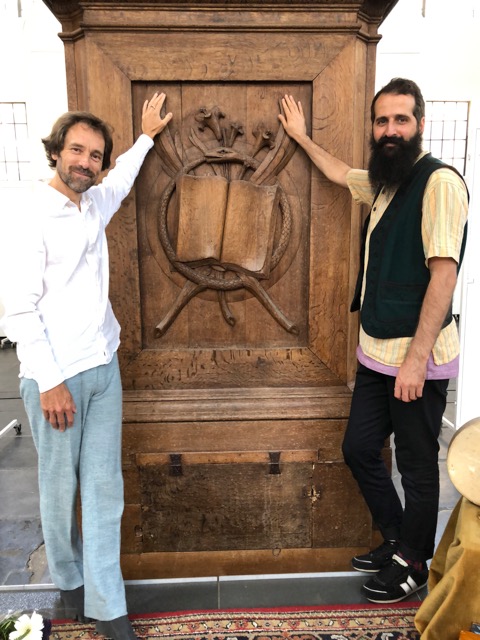
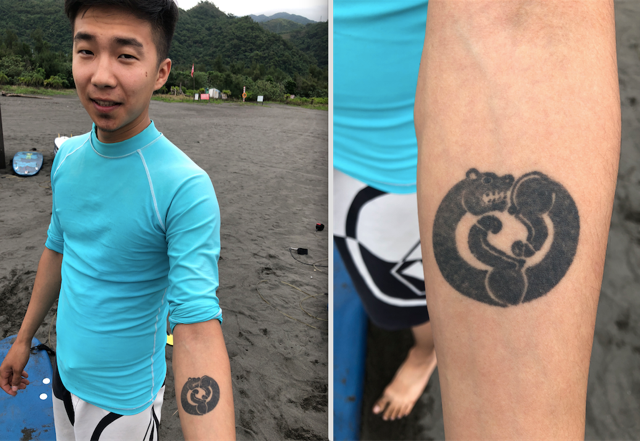
And then, there was this other coincidence this year. When I fist visited Tuva I learned about a Scythian ornament found during archaeological excavations, consisting of a panther biting its own tail. A wonderful symbol of infinity and the ever-repeating cycles of events. “Ma fin est mon commencement” (“my end is my beginning’) as mediaeval poets and musicians such as Guillaume de Machaut knew so well. This spring a very noble and inspiring friend, the philosopher Fons Elders, sent around a message with his view about this symbol, which is known as the ouroboros in the western world. A little later I performed in the Oosterkerk in Amsterdam with the wonderful Turkish ney player Sinan Arat, a concert I had arranged to be filmed so that I could share it with everybody. In the background of our stage happened to be . . . an ouroboros. So a few days ago, while working on the video I decided to call it “The Ouroboros Concert”. The next day I took the Tuvans to the Pacific Ocean – Tuva being very far removed from any sea or ocean. They decided to try surfing and that’s how I noticed the Scythian ouroboros tattooed on the arm of Anchy Damdyn. What a great idea! The first time ever I imagined I could have a tattoo too.
So by way of celebration and to express the gratitude I feel for being a human amidst so many wonderful human beings I share this Ouroboros concert video with you.
Nederlands
Hier is een brief die ik onlangs rondstuurde, toen ik op het punt stond 49 te worden (ook op de mailinglijst? laat het weten!):
49 Is een prachtig getal met een prachtige symboliek. Veel beter dan 50. Dus stuur ik een groet aan iedereen op de laatste dag van de 49 jaar dat ik op deze vreemde, wonderlijke planeet rondloop, in plaats van de eerste dag van mijn 50e. Mijn lieve zus Daphne voelde kennelijk al aan dat ik liever even stil sta bij mijn leven op mijn 49e, toen ze een surprise party voor me oganiseerde enkele maanden geleden. Ik stonk er totaal in, zelfs nadat mijn moeder en enkele vrienden spontaan opdoken in een park waar je hen toch niet 1-2-3 samen verwacht. Wat een geweldig cadeau!
En de Toevanen, voor wie het getal 49 ook speciale betekenis heeft, duiken ook weer op haast magische wijze op. Zoals jullie weten hebben Toeva en haar inwoners mijn leven op allerlei manieren vorm gegeven. Toen ik halverwege het punt was waar ik nu ben, dus bijna 25 jaar oud, bezocht ik Toeva voor het eerst en raakte voorgoed verslingerd aan deze plek. 12 Jaar later ging ik naar Toeva met June en we ontdekten, toen en daar, dat we voorbestemd waren voor elkaar. Dat leidde dus tot ons huwelijk, kinderen en tenslotte mijn verhuizing naar Taiwan. Nog een levenswending waar Toeva haast een sturende hand in leek te hebben.
En wat is er nu aan de hand? Ik begon eerder dit jaar een aantal Toevaanse concerten te organiseren hier in Taiwan, en werd onder andere verzocht twee programma’s in te vullen voor het Asian Pacific Traditional Arts Festival. En vandaag (de laatste dag dat ik 49 ben) vertrekt de eerste Toevaanse groep, een jong kwartet genaamd Ezengi (nadat ze zich trouwens uitstekend gekweten hebben van hun taak). En morgen (de eerste dag dat ik 50 ben) arriveren er vier geweldige senior musici uit Toeva: Shonchalai en Nachyn Choodu, Andrei Öpei en Valerii Mongush. Toeval?
En dan was er nog iets dit jaar. Toen ik Toeva voor het eerst bezocht leerde ik een Scythisch ornament kennen, dat bij archeologische opgravingen gevonden was en dat bestaat uit een panter die in zijn staart bijt. Een prachtig symbool van oneindigheid en de eeuwigdurende cycli van gebeurtenissen. “Ma fin est mon commencement” zoals middeleeuwse dichters en musici als Guillaume de Machaut heel goed wisten. Dit voorjaar stuurde vriend en inspiratiebron Fons Elders een bericht rond met daarin zijn visie op dit symbool, dat bekend staat als oeroboros in de westerse wereld. Iets later trad ik op in de Oosterkerk in Amsterdam met een geweldige Turkse ney-speler, Sinan Arat, een concert dat ik liet opnemen op video (en waarvoor je de link onderaan vindt). Juist achter ons podium bevond zich . . . een mooie uit hout gesneden oeroboros. En dus besloot ik een aantal dagen geleden toen ik met de video bezig was om ons optreden Het Oeroboros Concert te noemen. De volgende dag (afgelopen zaterdag) nam ik de Toevaanse musici mee naar de oceaan (waar de Toevanen verder van verwijderd zijn dan zo’n beetje wie dan ook ter wereld). Ze wilden graag gaan surfen en zo ontdekte ik de tatoeage van zo’n Scytische oeroboros op de arm van Anchy Damdyn. Wat een geweldig idee! Nooit eerder had ik ook maar een seconde de gedachte gekoesterd dat een tatoeage voor mij zelf ook best interessant kon zijn.
Dus om even stil te staan bij dit bijzondere moment in mijn leven en uitdrukking te geven aan de dankbaarheid om een mens te zijn te midden van allerlei fantastische mensen met wie ik mij omringd weet, deel ik nu deze Oeroboros concertvideo met jullie.
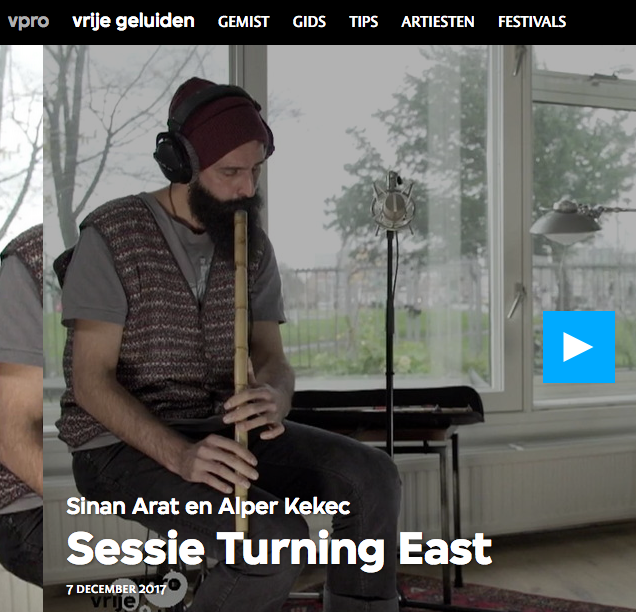
Over enkele weken doe ik een dubbelconcert met Sinan Arat in de Oosterkerk in amsterdam. Hij is vooral bekend van zijn ney spel, zijn hoofdinstrument. Ik heb hem nog niet ontmoet maar we hebben wel overlegd hoe we het willen gaan doen. Vanwege ons beider voorliefde voor improvisatie hebben we besloten te proberen om niet twee solo-blokken te spelen met een beetje overlap, maar de uitwisseling aan te gaan. Ik ben al langer op zoek naar samenwerking met een goede fluitspeler. In Taiwan zijn die dun gezaaid, zeker spelers die een dergelijke rijke, luchtige klank produceren. Dat heb je natuurlijk in Japan met de shakuhachi en in India met de bansuri (die Sinan ook bespeelt). Maar ik werd helemaal stil van het spel van Sinan toen ik gisteren onderstaande video van hem bekeek. Van die prachtige, lange, rustige tonen, waarin de adem steeds doorklinkt, en daarmee de ziel van de speler – of van de muziek zelf zo je wilt.
Sinan bespeelt naast de ney rietfluit ook lijsttrommels en zingt, en hij heeft Indiase muziek bestudeerd. En aangezien ik de laatste jaren ook experimenteer met fluiten en met de Marrokaanse bendir lijsttrommel én omdat ik ook al jaren met Indiase muziek bezig ben, hebben we aardig wat overlap. Ik ben heel benieuwd hoe dat gaat uitpakken, zijn voornamelijk traditionele spel met mijn meer experimentele benadering.
Het concert is op zondag 15 juli en begint om 12:00
Gratis toegankelijk (donaties welkom).
Adres: Oosterkerk, Kleine Wittenburgerstraat 1, Amsterdam.
De dag ervoor doe ik een eendaagse workshop boventoonzang, ook in de Oosterkerk in Amsterdam, voor wie wil kennismaken met deze techniek.
Beluister ook het mooie interview met Sinan rondom de VPRO sessie.
“Sinan Arat uit Turkije speelt en improviseert op de ney (Turkse fluit) en laat zich inspireren door de Ottomaanse en Anatolische traditie. Hij wordt begeleid door Alper Kekeç op percussie. In het interview met Giovanca vertelt Sinan hoe hij kennis leerde maken met de ney.”
Explore the hidden dimensions of the human voice. Make music with overtones and new timbres. Listen to the world and to yourself with new ears. Learn how to use your voice as a powerful tool for transformation and better communication.
By taking time to breathe and to listen to all the ways in which the body and the world resonates, we open up an amazing path of discovery and creative, therapeutic learning. – Mark van Tongeren
What impressed us is the way of your teaching … subtle, perceptual, respective, creative, fun and updated. Thank you sincerely. – Una Kao
YOU, YOUR VOICE, AND YOUR BEING
How to find your own voice? How to be who you are? How not to be who you are, but to become someone else? Someone you wish to be?
How to feel your whole being resonating, alive, complete …. to feel at ease with yourself, and to be completely YOU while in the presence of others? To meet others around you who can also be themselves, without acting nicely, or keeping up appearances?
In Mark van Tongeren’s R E S O N A N C E course, music, and most of all, the human voice, is the foremost instrument to achieve precisely that goal. To reach into the greatest depths of your soul, to stir your mind and your thinking, even to change your physical body. To bring all these disparate ‘parts’ of ‘a single self’ together in a fully resonating whole, a symphony of vibrations, pulses, frequencies.
The backbone of this training program is the overtone singing technique. Overtones are like a world of their own residing within the timbres of your voice. You will deeply immerse yourself in the fundamental harmonic laws of musical sound We will come back again and again to change the way we listen and vocalise, opening up to the hidden dimension of overtones, the harmonics that our voices and ears know well but our minds know not. In an experiential and personalised way you will learn to express yourself better, using a fuller range and spectrum of your voice.
FOR WHOM?
We have welcomed all kinds of people in the R e s o n a n c e course, from white-collar workers and school teachers to art students and creative professionals, from computer experts to yoga teachers and people with voice problems, from male afficionadoes of Mongolian and Tuvan khöömei to classically trained soprano’s.
This course is aimed at anyone with an interest in or sensitivity for sound as a creative principle. and those seeking more balance in their live.
No previous musical experience is required. For students who have already done one or more workshops of overtone singing there will still be plenty to learn. If you are in doubt, contact us with your questions.
LANGUAGE
The course will be mostly conducted in English. Your interpreter Sunny Chen will summarise or translate entire parts of the course into Mandarin, depending on the needs.
PRICES, DISCOUNTS and BENEFITS
The price per participant is 17.500 NT$ for ten classes. The following discounts apply (only one per person):
* Students and seniors with valid identity cards for the duration of the course: 25 %.
* Early birds: 15 % if you register before October 20. Extended to November 5!
* Payment in smaller increments is possible.
TESTIMONIALS So much happiness and joy of being with you. And it’s where I find ME. I should sing it. Sing it for you. To let you know how much you give me.
Sky from Hsinchu
I really enjoy sound flowing out freely and impulsively. Although I am the singer, I am also the listener, I hear sound coming out of my mouth, naturally flowing. I feel sound is the language of the soul, something language cannot express. I really wish to learn overtone singing. I feel overtone singing opens up some unknown and unfathomable territories.
Amano from Hsinchu
YOUR GUIDE
Mark van Tongeren is a vocal performer working at the intersection of art and science. He has 25 years of experience in music and intermedial performance and holds a PhD in artistic research. He has traveled to the Altai, Mediterranean isles and Tibetan monasteries to learn from established masters. He is an international authority on the technique of overtone singing, both as a performer and author. He has taught at TNUA’s Music and Theatre Departments (2003-2004), National Chengchi University’s X-Lab (2012 – now) and at Canjune. He frequently collaborates with composers, improvisers, musicians and dancers in and outside Taiwan. He teaches and co-leads tours for Canjune and will lead the second musical tour to Tuva (Siberia) in Summer 2018.
10 days from December 24, 2017 to April 2018
10 AM – 17:30 PM.
Place: CanJune Training Centre, Daan Area.
4F, #3 , Lane 151, Fuxing S Rd. Sec. 2.
Registrations for the course or requests for the digital brochure:
In Chinese: ly.sunny.chen@gmail.com/ 0912-024-285 CHEN Sunny
In English: info@fusica.nl / 0910 382 749 Mark van Tongeren
Photo credit: Yi Ching Juan, Mark van Tongeren, Jiji Liu