In exactly two weeks I will host a free introduction event to my online course Overtone Singing – Basics. This course is now running non-stop: students can join anytime and get life-long access. This event will be on June 13 at 2 PM Central European Time, and hosted by Hsi-Yin. Register here if you want to be part of it. Please share it with anyone who would be interested.
Here is a video in which I explain some of the things that are essential for those who start on the path of learning to sing overtones. Enjoy!
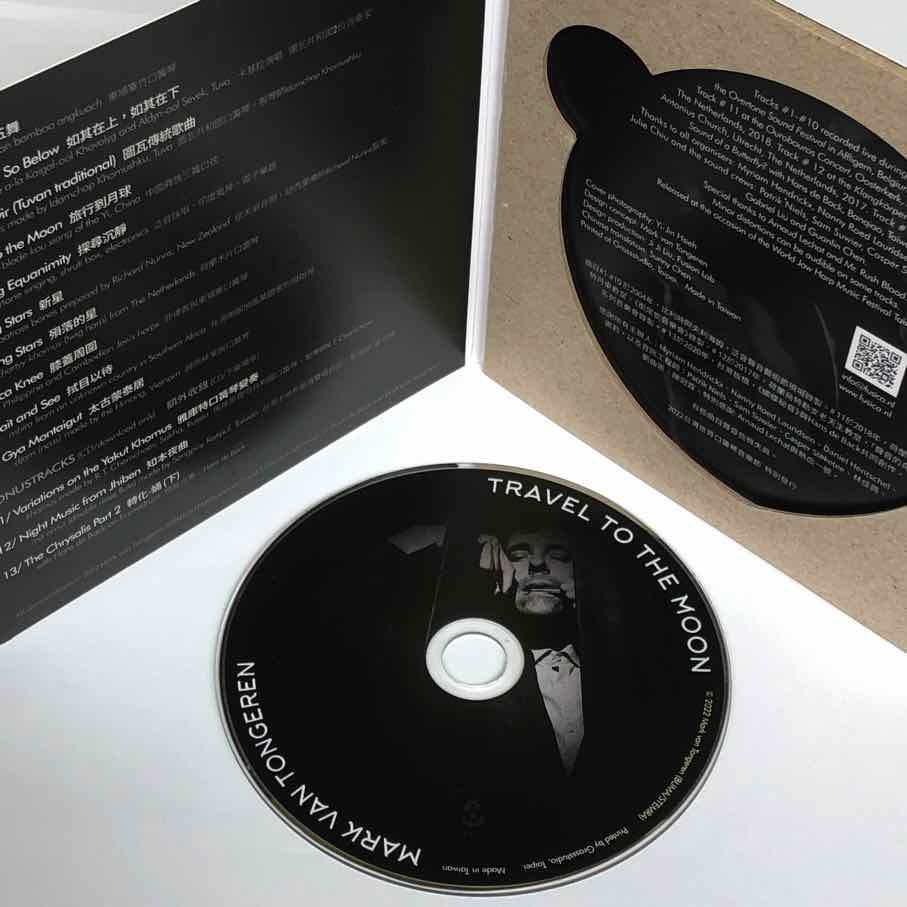
This album marks the official ending of a long period of doubt and uncertainty what to do with my music in light of the music industry. Basically, I have been slow, very slow, to catch on with the possibilities of the internet, and apparently refused to make up my mind. The first signs of dealing with it has been to launch some videos on YouTube, including a live concert with Sinan Art. Now, here is my next step: the first physical release of new music made just by myself in some twenty years (besides collaborative projects such as Oorbeek,Parafonia, the Superstringtrio and ad hoc projects such as the Odna soundtrack). I have about a dozen of other releases in the pipeline, partly new, partly old, some of it by me but mostly collaborations, spanning many kinds of music and sound-art.
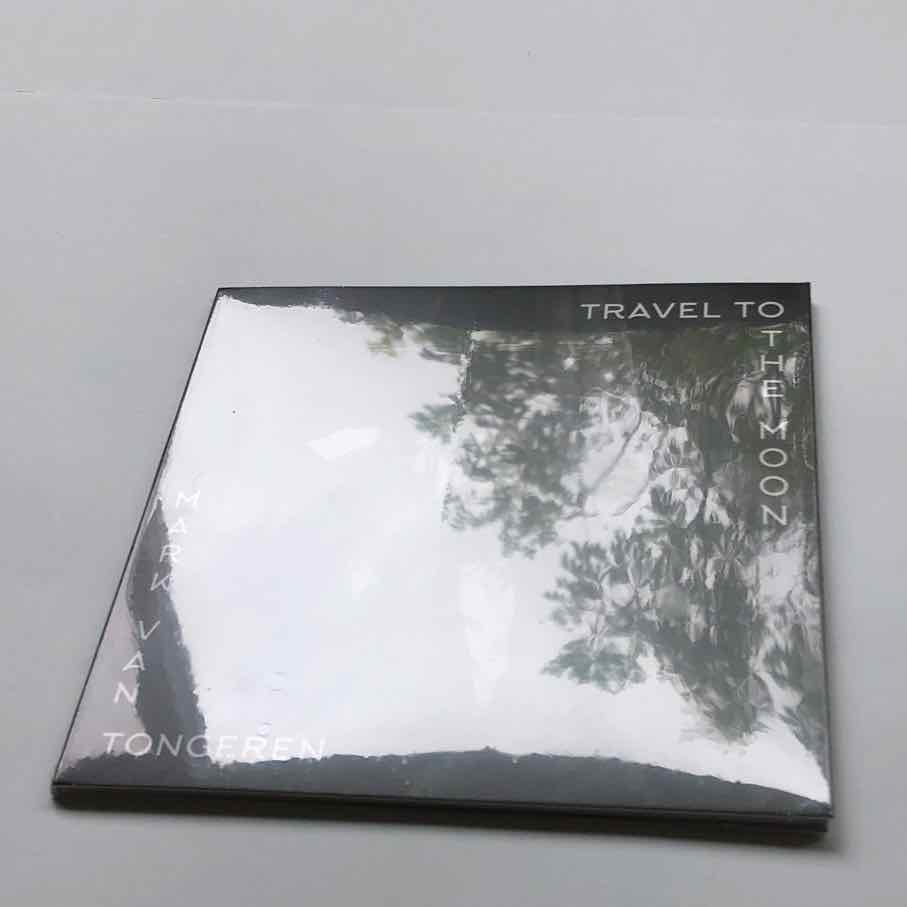
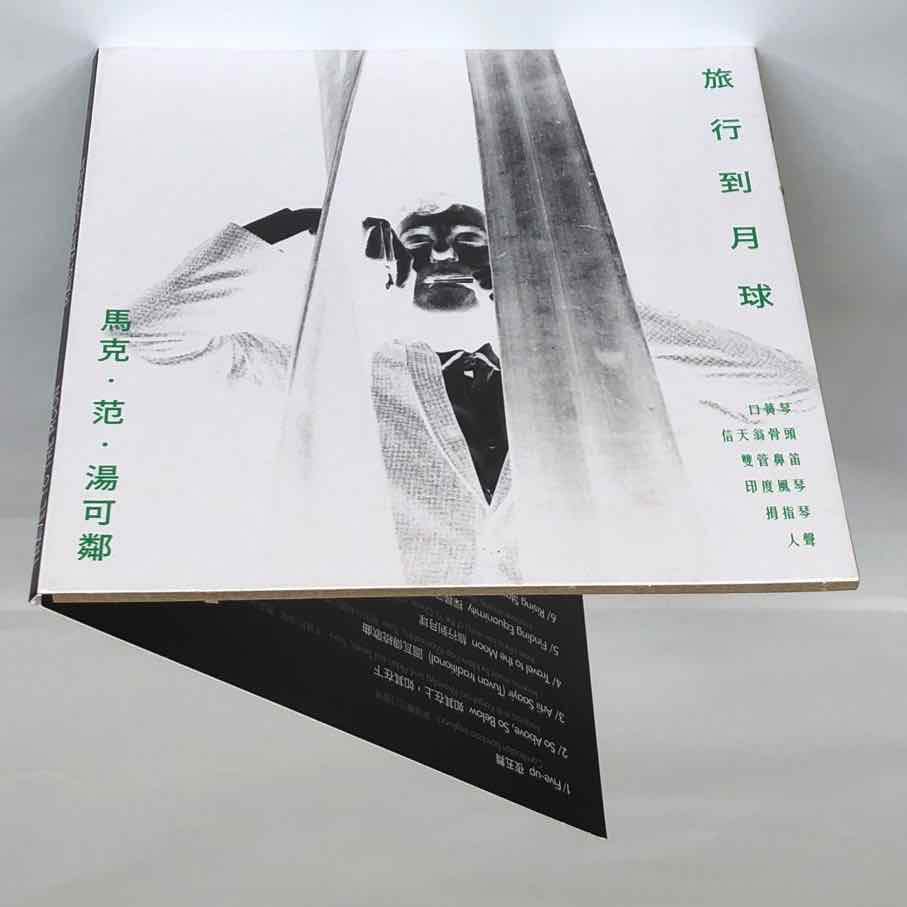
I had some ideas for the design, starting from the excellent photography of Yi-Jin Hsieh. I decided to use one of her photos and then to turn everything upside down/inside out, with a nod to Chinese writing, which used to be vertical and starts where our Indo-European-language book(let)s normally end, folding open to the right instead of left. So the Chinese cover of the printed album is intentionally the negative and upside down version of the English cover. UN-intentionally the title of track 2 (a kargyraa solo in Tuvan style) somewhat related to this turning around of things, as you see here (I only realised this when I took the photo):
JiJi Liu quickly jumped in to turn my design ideas into proper InDesign-shape that printers need, took care of many details, and suggested to use cardboard instead of a digipack, a great improvement. Our CD agent, named Rush Blood, was not trying to push for a quick and easy fix, he also loves all these details. He does photography, calligraphy and together we went to check the first test plates as they rolled off the presses. The smells and sounds brought me back to my childhood when I joined my dad, the architect, to fetch all kinds of print-work. I inherited a great love of paper, carton, printing, binding etc. etc. from him and truly enjoy getting back to publishing something palpable and beautiful.
I’d like to announce a couple of concerts in The Netherlands and in Poland in the coming week:
Monday 18 november, AMSTERDAM, Het Poortgebouw, 1st Floor, Tolhuisweg 2: Oorsprong Curator Series, start at 20 o’ clock. Free-improvisation with flutist Mark Alban Lotz and guitarist Bram Stadhouders and vocalist Mark van Tongeren, and several other exciting music/dance impro-combinations in two other sets that same night.
Link: http://oorsprong.wordpress.com/
Thursday 21 November, AMSTERDAM, Mediamatic/Fabriek – Echokamer, 20:30, Superstringtrio (Rollin Rachele, Mark van Tongeren) and Daphne van Tongeren (light/performance).
Echokamer is a series of events during which composers, musicians and other sound-makers experiment with sound at, and with the sound of, Mediamatic Fabriek. The giant industrial hall reverberates and erodes, and produces quite a bit of sound all by itself. The perfect place for noisy experiments. Read more details about Superstringtrio’s sonic excursion next Thursday on this link: http://www.mediamatic.net/357851/en/echokamer-12-superstringtrio
Sunday 24 November, KRAKOW (Poland), Audio Art Festival/Bunkier Sztuki, 19 o’clock, Superstringtrio. We have been invited by Marek Choloniewski, founder of Audio Art Festival, one of the most long-standing festivals dedicated to Sound Art in all its beautiful, radical and weird manifestations, to join the ranks of many artists who have performed there in past decades. Superstringtrio will present an updated version of its performance Incognito Ergo Sum, premiered in Amsterdam earlier this year at the occasion of the PhD-defense of Mark van Tongeren’s Thresholds of the Audible- thesis at Leiden University. See a short clips of it on Vimeo: http://vimeo.com/64866998. For the full program of the festival, which has already started yesterday and continues next week, check this link: http://www.audio.art.pl/
(with our thanks to Horst Rickels, who gives a workshop and concert in Krakow tomorrow with his Lesley-speakersystem, together with Robert Pravda).
In a couple of hours I am leaving Taiwan. If all goes well I might join Oorbeek tomorrow, Saturday 16 November at the opening of The New Institute in ROTTERDAM. Set 1 at 17 o’ clock, set 2 at 17:45. 6th floor, Museumpark 25, 3015 CB Rotterdam,
Link: http://www.hetnieuweinstituut.nl/nieuwnew
For those seeking to enrich their voices, let off steam and unlock their hidden creative potential, I organise a bi-weekly (as of 2014: weekly) voice session called Voice of Dao at the training centre of Canjune in Daan district, Taipei. We usually start with silence, breath and body movements to turn away from our busy mind into the body and to the sensations we actually experience. We let the voice come out of a natural breath flow. We listen to and follow its natural resonances. We do not try to sing in an artful way, but to experience how body-mind-voice are intimately connected, and how voice and resonance can serve as a bridge to overcome the dualistic notion of body <> mind. From then on, all kinds of styles and genres of vocalising and musicking may happen, some structured, some wild, some giving insight in your voice, some therapeutic. Exercises are based on yoga, musical and theatrical techniques, and vipassana meditation.
The human voice is a tool that assists human beings to produce a mirror-like reflection of the world around them in their minds. By gaining a deeper understanding and experience of the mechanisms of making sounds, words and music, and of listening, we gradually deepen the connections within ourselves (our body-minds) and with others and the world around us.
When and where:
The normal schedule for Voice of Dao is every two weeks on Thursday, but 10/10 will be changed to 10/9 and 12/26 to 12/24 (2013).
So these are all the dates for the Voice of Dao classes in Taipei up to Januari 2014:
October: Wednesday 9, Tuesday 22. (NOTE: CHANGED FROM THURSDAY 24: that day there will be no class).
November: Thursdays 7, 14.
(November 28 there will be NO class, despite earlier announcement).
December: Thursday 12 and Tuesday 24.
The Training Centre of Canjune is at 4F, number 3 , Lane 151, Fuxing South Road, Section 2, just 20 meters from the corner of FuXing South Road. The nearest MRT station is Technology Building. We start at 10. If you cannot find it, call the training centre: 02 – 27 00 72 91.
On March 13 I shall, deo volente, succesfully defend my thesis
Grenzen van het hoorbare: over de meerstemmigheid van het lichaam (Thresholds of the Audible: about the Multiphony of the Body).
For those interested there are several opportunities to attend performances in the days prior to the defense. All events can be attended free of charge.
Superstringtrio: Rollin Rachele & Mark van Tongeren (Photography Jochem Hartz)
With Superstringtrio (Rollin Rachele, Mark van Tongeren, voices), Horst Rickels (artistic advice), Daphne van Tongeren (light-performance) and Maksim Chapochnikov (speaker).
+
0… / Zeropoints
Monday 11 March
13:30-16:30, ongoing
0…: an overtone singing marathon for two singers
Academy of Creative and Performing Arts, Rapenburg 38, Leiden
With Superstringtrio (Rollin Rachele, Mark van Tongeren, voices), Paul Oomen (live compositional direction).
Academy of Creative and Performing Arts, Leiden University, Rapenburg 38, Leiden.
Op zondag 28 oktober zond de Boeddhistische Omroep Stichting een gesprek uit dat Ton Maas met mij had naar aanleiding van mijn onderzoek over boventoonzang en de grenzen van het hoorbare. In het eerste deel kwamen vooral de Aziatische tradities aan bod. De uitzending is hier online te beluisteren: na deze week moet je misschien even doorklikken naar de oudere uitzendingen, en wel die van zaterdag 27 oktober. Het interview is in deel II van de uitzending.
Er zijn onder andere opnames te horen van 3 lama’s van het Drepung Loseling klooster uit Zuid India, die ik 6 jaar geleden in India kon opnemen. Iedereen in Dharamsala was erg druk in verband met de traditionele voordrachten die de Dalai Lama tien dagen lang hield na het Tibetaanse nieuwjaar( Losar). Het was een groot geluk dat deze monniken, die vaak optreden bij belangrijke rituelen en ceremonieën voor de Dalai Lama, even tijd konden maken, en het was dan ook zo weer voorbij. Maar wat ze presteerden deed me versteld staan, zo spatgelijk was het, en zo anders dan veel andere recitaties en gebeden die ik gehoord heb in de loop der jaren.
De foto is van een cd die andere Drepung monniken maakten in de jaren negentig: mijn foto’s gemaakt in Dharamsala raakten helaas zoek.
Here are two videos from a live concert at Hsinchu in May 2012. The first piece is mainly based on overtone singing the second one on making computer-like/digital sounds.
Live recording from a piece I did in May 2012 in Hsinchu, Taiwan, at the invitation of the Taiwan Computer Music Association. It was an excellent program of works by various Taiwanese composers of music with computers (Jeff Huang. Chao Ming Tung, TZENG Shingkwei and orthers). I was invited to do a piece together with composer Tzeng Shing-kwei and, before that, to do some of my own work. After a piece for extended vocal techniques, also on VIMEO, I did this longer piece of overtone singing with drones from a shruti box.
Another piece I did in Hsinchu at the invitation of the Taiwan Computer Music Association: a work for extended vocal techniques, and also using a Sakha (Siberian) Jew’s harp (or khomus), thereby losely incorporating elements from typical computer generated sounds.
I present a soloprogram at the First International Arts Festival at the National Chiayi University, in Chiayi, Taiwan, October 18 2012.
Program description for the concert:
The twentieth century constituted a watershed of new vocal and sonic arts, and brought voices from distant times and places closer than ever before. And yet, in the twenty-first century the voice still retains its secrets. Vocalist Mark van Tongeren returns to the simple question: how does the naked voice of a single human being sound, when we strip everything away from it? As it turns out, a voice never comes alone. With his current theme The Polyphony of the Body, van Tongeren exposes the colourful, polyphonic nature of the singing human voice. Drawing upon his studies with traditional overtone singers from the Sayan and Altai mountains of South Siberia, extended-vocal techniques and sound poetry, van Tongeren’s performance moves from the introvert to the extrovert, from blissfull harmony to unpredictable noise. Instruments such as the shruti-box from India, Jew’s harps from Siberia and live electronics are his companions for Sonic spectrum and Poetic Silhouette.
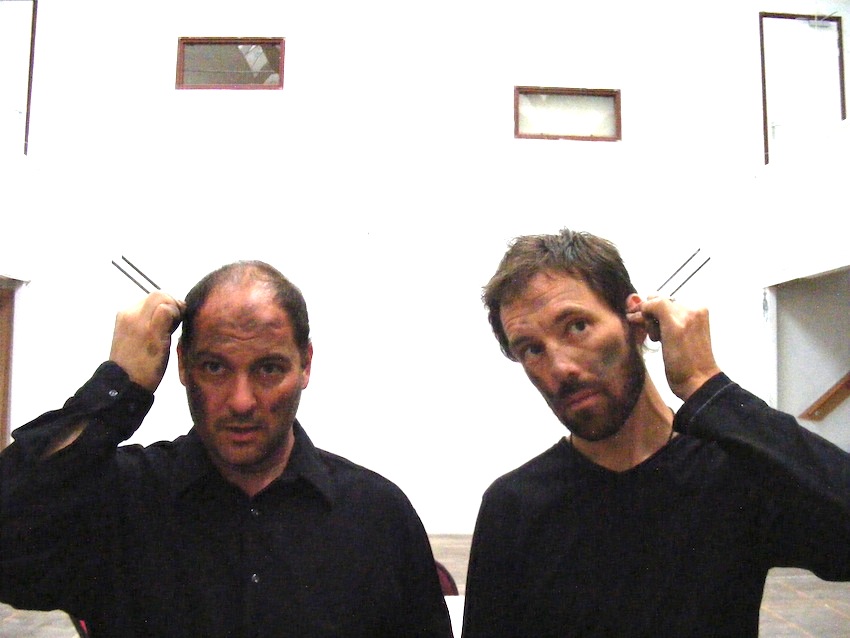
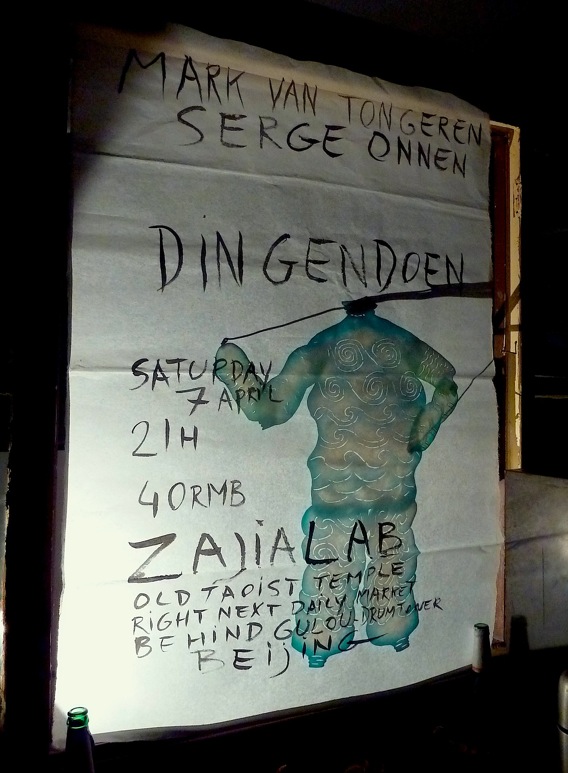
Proudly presenting: this Saturday’s performance in Beijing, together with my old friend, artist Serge Onnen. Serge currently resides in Beijing where he is producing the follow-up of his extensive work on shadow/performance, much of which was done with the collective Oorbeek that we are both part of. With a residency in a hutong in the heart of Bejing, Serge is now immersing himself in the ancient art of shadowplay in China.
During the past few weeks we have exchanged ideas about our ZaJialab performance from our respective homes in Beijing and Taiwan. Through skype, Serge has shown me sketches and drawings of objects he will use, and several of his new lamps and lighting set-ups. He has even enlisted the help of some traditional puppetmakers to realise his own designs in the slightly transparent, dried leather that has been used for centuries.
I have dug out the remainder of my musical instruments and sound objects, and an old companion, the second-generation Korg Kaoss Pad (the first generation gave up many years ago). After a break due to moving, it is exciting to find out that my instruments, voice and Kaoss Pad are capable—again—to create a nicely organised chaos when all used together.
The title of our performance is Dingen Doen, which is Dutch for ‘doing things.’ For an hour or so, we are going to transform the small, atmospheric temple that nowadays is ZaJialab into a place that is both real—and surreal.